The short answer
Bernese Mountain Dogs are gentle, affectionate, calm giants with a near-ideal family temperament, and a heavy double coat that loves Montreal winters (but is heat-sensitive in summer). Start your search on LocalPetFinder's Montreal listings, the Montreal SPCA, and local large-breed rescues, though purebreds are uncommon in rescue (be open to a mix, adult, or senior). Adoption runs ~$300 to $700 vs $2,000 to $4,000+ from a breeder. The essential thing to understand: the breed has a heartbreakingly short lifespan (~7 to 10 years) and high rates of cancer and other serious illness, go in with eyes open, emotionally and financially prepared (insurance strongly advised).
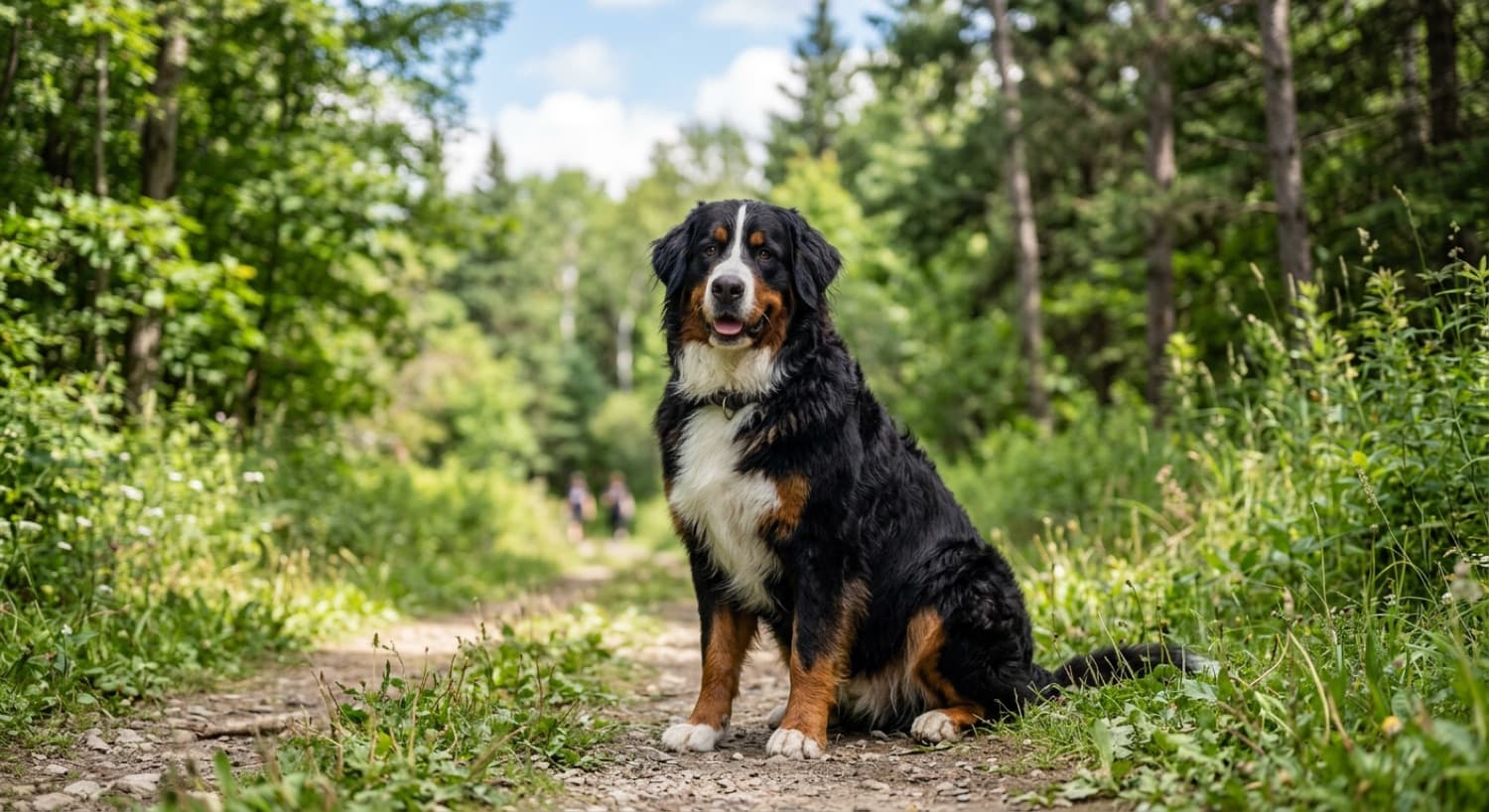
Few breeds inspire the devotion the Bernese Mountain Dog does. That gentle, loving temperament, and the striking tricolour coat, win people over instantly. But the Bernese is also a breed you must choose with full honesty about its health and short life. This guide covers the joys and the practicalities, and doesn't shy away from the hard part.
Where to adopt in Montreal
A few routes, though patience helps, as purebred Bernese are uncommon in rescue:
- •LocalPetFinder's Montreal dog listings, aggregating adoptable dogs from Montreal-area shelters and rescues, refreshed regularly. Search Bernese and Bernese mixes.
- •The Montreal SPCA, Quebec's largest animal-protection organization, which occasionally has larger breeds and mixes.
- •Montreal-area general and large-breed rescues, many foster-based, posting dogs through their websites and social media as they become available.
- •Breed-specific rescue, there are Bernese rescue and rehoming networks in Canada that sometimes cover Quebec; being on their radar helps.
Because purebred Bernese are uncommon in rescue, adopting one often takes patience and flexibility, being open to a mix (which turn up more often and may even have somewhat better health and longevity), an adult, or a senior. Set up alerts and stay in touch with rescues.
The gentle-giant temperament
The Bernese temperament is one of the breed's greatest strengths, gentle, affectionate, calm, good-natured, and devoted, the classic gentle giant. Bred as Swiss farm dogs, they're loyal, people-oriented, and eager to be with their families, usually good with children (their patience and good nature) and generally sociable with other pets with proper socialization.
They tend to be calm and easygoing in the home (a fairly mellow large breed), while still playful and loving activity, especially in cool weather. Bernese are sensitive and gentle, they respond best to kind, positive, patient training and don't do well with harsh methods, and they bond deeply, thriving on companionship and disliking being left alone for long. Early, positive socialization helps any shyness. The heartbreak of the breed isn't the temperament, which is close to ideal for a family dog, but the health and short lifespan.
Coat, climate, and family fit
Bernese love cold and snow (bred for the Swiss mountains, heavy double coat), so they thrive in Montreal winters, a real plus. The flip side is heat sensitivity: the heavy coat means Montreal's hot, humid summers need care (keep them cool, exercise in the cool hours, provide air conditioning or cool spaces, watch for overheating). The coat also means significant shedding and regular grooming.
They're large (70 to 115 lbs), so they need adequate space, a house with a yard is ideal, though their calm nature helps them adapt (a small apartment is a stretch). Exercise needs are moderate (walks and activity, especially in cool weather, not extreme). For a family with the space, time, and means, and above all prepared for the health reality, a Bernese is a wonderful, loving companion, and Montreal's climate suits the breed's love of cold well.
The real cost
Adoption fees run ~$300 to $700 (usually covering spay/neuter, vaccinations, and microchipping), vs $2,000 to $4,000+ from a breeder. But for a Bernese the fee is a small part, given the breed's health issues, ongoing and potential costs are significant and potentially very high: large-dog food and vet care, grooming, big-dog supplies, and, critically, a serious fund or pet insurance for the breed's high rates of cancer and other expensive conditions.
Pet insurance is strongly worth considering for a Bernese (take it out while the dog is young and healthy). Under Quebec's Civil Code (article 898.1), animals are recognized as sentient beings, not mere property, a legal reflection of the real responsibility of caring for one. The Bernese is one of the more expensive breeds to own responsibly, largely because of potential health costs, financial readiness is a genuine part of responsible ownership. See our health guide and lifespan guide.
Browse adoptable dogs in Montreal
Bernese and Bernese mixes are uncommon in rescue, so be open to a mix or an adult. Refreshed regularly across Montreal-area organizations.
See Available Dogs →Frequently Asked Questions
Where can I adopt a Bernese Mountain Dog in Montreal?
Start with LocalPetFinder's Montreal listings, the Montreal SPCA (spca.com), and local large-breed and foster-based rescues, plus Canadian Bernese rescue networks. Purebreds are uncommon in rescue, so be patient and open to a mix, an adult, or a senior (mixes turn up more often and may have somewhat better health).
What is their temperament like?
Gentle, affectionate, calm, good-natured, and devoted, the classic gentle giant. Usually good with children, generally sociable, calm in the home but playful (especially in cool weather). Sensitive, so they need kind, positive, patient training, and they bond deeply and thrive on companionship. The temperament is close to ideal; the breed's heartbreak is its health and lifespan.
Are they good in Montreal?
In many ways yes, they love cold and snow, so they thrive in Montreal winters. But the heavy coat makes them heat-sensitive, so hot, humid summers need care (keep them cool, exercise in the cool hours). They're large (70 to 115 lbs), so a house with a yard is ideal. The big caveats are the serious health issues and short lifespan.
How much does it cost?
Adoption runs ~$300 to $700 (usually including spay/neuter, vaccinations, microchipping), vs $2,000 to $4,000+ from a breeder. But given the breed's health issues, ongoing and potential costs are significant, large-dog food and vet care, grooming, and, critically, a fund or pet insurance for the breed's high rates of cancer and other expensive conditions.
What should I know before adopting one?
Above all, the health and lifespan reality, Bernese live only ~7 to 10 years and have high rates of cancer and other serious problems, so go in with eyes open, emotionally and financially prepared. Also: large size, heavy shedding coat, heat sensitivity (but love of cold), moderate exercise needs, deep need for companionship, and a wonderful gentle temperament that responds to kind training.
Should I buy a puppy or adopt?
Consider adoption first. Buying runs $2,000 to $4,000+, and the breed's health issues make a truly reputable, health-testing breeder essential (cheap Bernese puppies are a serious warning sign). Adoption costs far less, helps a dog in need, and, with an adult, lets you know the dog's size, temperament, and sometimes health. Purebreds are uncommon in rescue, so be open to a mix or an adult.
Related Montreal guides
Bernese Mountain Dog Health Issues
Hip and elbow dysplasia, bloat, arthritis, the coat and heat, cancer, and the pet-insurance case.
Lifespan & Cancer: The Honest Reality
Why the breed lives only ~7 to 10 years, the high cancer rate, and going into Bernese ownership with your eyes open.
Adoptable Dogs in Montreal
All currently available dogs across Montreal-area organizations, including large breeds and mixes. Updates regularly.
Montreal Dog Adoption Resources
All our Montreal dog adoption guides in one place.
New dog? Start with these care guides
Everything a new adopter needs to set up a safe, happy home.