The short answer
Bernese Mountain Dogs live only ~7 to 10 years, one of the shortest lifespans of any breed, largely because of a very high cancer rate (they're especially prone to the aggressive histiocytic sarcoma, plus other cancers). This is the breed's heartbreak and the most important thing to understand before adopting. You can't prevent the genetic cancer risk, but you can keep the dog lean, maintain excellent routine vet care, know the signs (check any lump), and be financially prepared (insurance strongly advised). A Bernese mix may have somewhat better longevity. Whether to adopt one anyway is deeply personal, many people lovingly do, but go in with clear eyes and cherish the time.
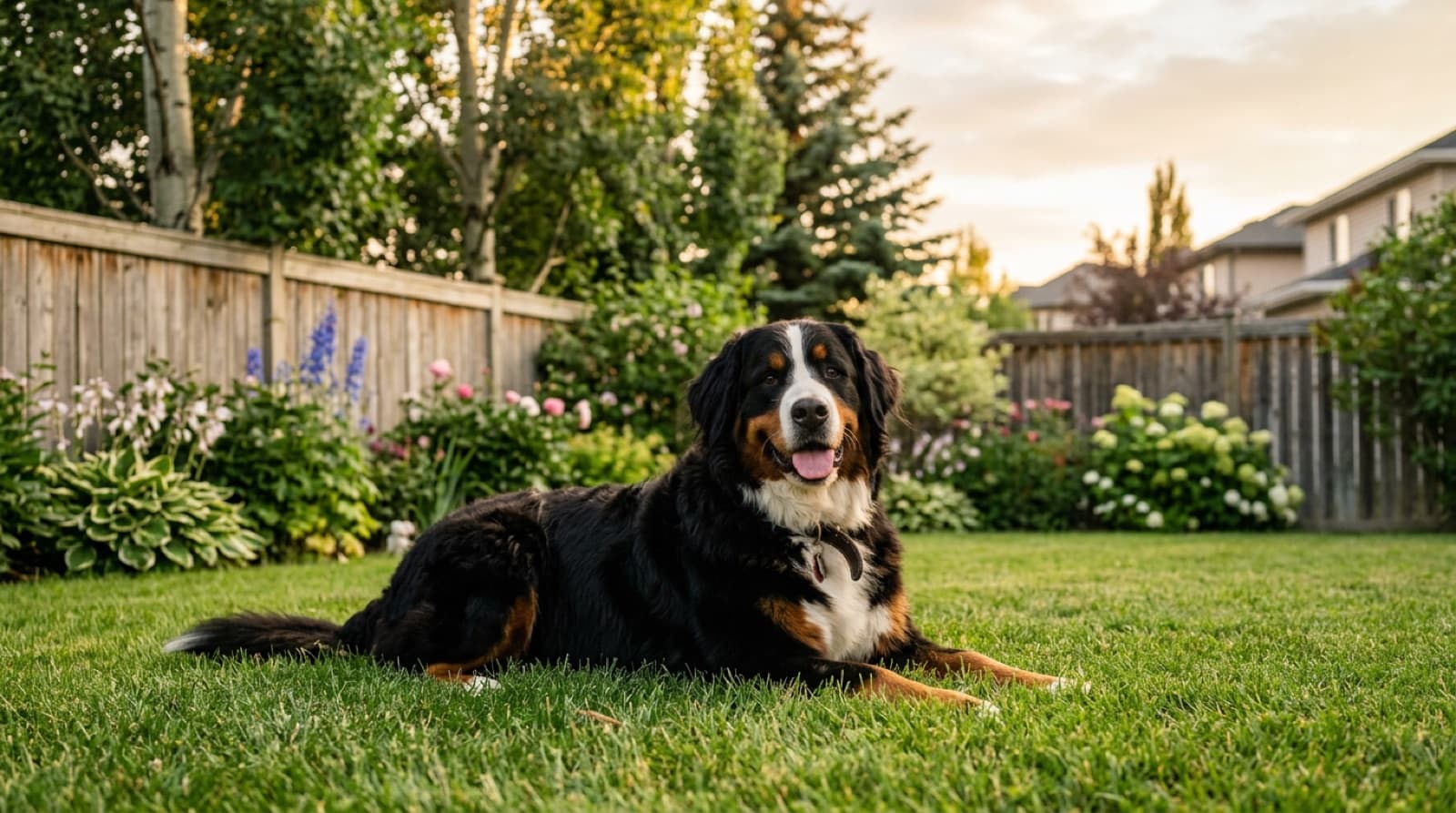
This is the hardest guide in the Bernese cluster, and the most important. There's no gentle way to say it: this beloved breed lives a short life, and cancer is the reason. If you're considering a Bernese, please read this honestly. It isn't meant to talk you out of the breed, many people knowingly and lovingly choose it, but to make sure the choice is fully informed.
The short lifespan
Bernese Mountain Dogs typically live only ~7 to 10 years, often at the lower end, one of the shortest lifespans of any breed. Large breeds live shorter lives than small ones generally, but the Bernese is short-lived even by large-breed standards. This heartbreaking reality is the single most important thing to understand before adopting.
The main reason is the breed's very high cancer rate (below), which often takes Bernese at a relatively young age. A Bernese mix may have somewhat better longevity (a more varied gene pool), one reason a mix, also more available in rescue, can be a wonderful choice. Nothing guarantees a longer life, but keeping the dog lean, good nutrition, appropriate exercise, and excellent routine vet care give your Bernese the best chance, and help catch problems earlier.
Why cancer is the central concern
Bernese have one of the highest cancer rates of any breed, a leading cause of death and the main reason for the short lifespan. They're especially prone to histiocytic sarcoma (an aggressive, often rapidly fatal cancer the breed is notably predisposed to), plus lymphoma, mast cell tumours, osteosarcoma, and others. The high rate is believed to be largely genetic (a relatively limited gene pool), well-documented and something breed organizations are working to address.
An owner can't prevent cancer, even a well-bred Bernese can develop it (though a mix may have somewhat lower risk). What you can do: maintain excellent routine vet care so anything is caught as early as possible, stay attentive and watch for signs, and be financially prepared (a major reason insurance is strongly advised, see the health guide). Understanding that this beloved breed is very prone to a disease that often takes them young is essential, not a reason not to adopt, but a reason to decide with full information.
Signs to watch for
Because the breed is so cancer-prone, be attentive and know the general signs that warrant a prompt vet visit, early detection gives the best chance:
- •Any new lump, bump, or swelling, have it checked, especially in this breed, don't wait.
- •Unexplained weight loss, persistent lethargy or weakness, loss of appetite.
- •Lameness or persistent stiffness (could indicate bone cancer), difficulty breathing, coughing, or exercise intolerance.
- •Pale gums, swollen abdomen, sores that don't heal, or any persistent unexplained change.
Many of these have causes other than cancer, so no panic, but in a cancer-prone breed, check anything persistent promptly. Keep up regular check-ups (a vet may detect what you can't). Sadly, some Bernese cancers progress very quickly and may not be caught early or treatable, part of the breed's hard reality, but staying attentive still gives the best chance. If cancer is diagnosed, your vet or a veterinary oncologist can discuss options; Montreal has veterinary specialty and oncology services.
Deciding, and making the most of the time
Whether to adopt a Bernese knowing all this is deeply personal. Many feel the joy of such a gentle, devoted dog is worth it even knowing the time is shorter, and devoted owners adopt the breed again and again. Others thoughtfully choose a longer-lived breed. There's no wrong answer, only the importance of deciding with clear eyes about what the lifespan and health mean, emotionally and financially.
If you do adopt one: give the best care (lean weight, good food, cool-weather exercise, grooming, heat protection, routine vet care), be proactive about health, be financially prepared (ideally insurance from young), and, above all, cherish the time, give the dog a rich, happy life full of love, companionship, and the cold-weather joys it loves, and make the years count. When the time comes, focus on the dog's comfort and quality of life, and know you gave a wonderful dog a wonderful life. Embracing the reality, rather than being blindsided, lets you love your Bernese fully, and for an adopted one, you've given a dog in need a loving home. See our adoption guide.
Browse adoptable dogs in Montreal
A Bernese mix, more available in rescue and possibly a little longer-lived, can be a lovely choice. Refreshed regularly across Montreal-area organizations.
See Available Dogs →Frequently Asked Questions
How long do Bernese Mountain Dogs live?
Sadly, only ~7 to 10 years, one of the shortest lifespans of any breed, and short even by large-breed standards. The main reason is the very high cancer rate. A Bernese mix may have somewhat better longevity. Good care and routine vet visits give the best chance and help catch problems early.
Why are they so prone to cancer?
Bernese have one of the highest cancer rates of any breed, especially the aggressive histiocytic sarcoma, plus lymphoma, mast cell tumours, and osteosarcoma. It's believed to be largely genetic (a limited gene pool). You can't prevent it, but routine vet care, attentiveness, and financial preparedness (insurance) matter.
What are the signs of cancer?
Any new lump or swelling (check it, don't wait), unexplained weight loss, persistent lethargy, loss of appetite, lameness, difficulty breathing, pale gums, or any persistent change. Many have other causes, but in a cancer-prone breed, check anything persistent promptly and keep up regular check-ups.
Should I still adopt one knowing this?
Deeply personal, and there's no wrong answer. Many feel the joy of such a gentle, devoted dog is worth it even knowing the time is shorter; others choose a longer-lived breed. The key is deciding with clear eyes about what the lifespan and health mean, emotionally and financially. A mix, or an adult, can be a lovely middle path.
How can I make the most of the time?
Give the best care (lean weight, good food, cool-weather exercise, grooming, heat protection, routine vet care), be proactive about health, be financially prepared, and, above all, cherish the time, a rich, happy life full of love and the cold-weather joys they love. Embracing the reality lets you love your Bernese fully.
Related Montreal guides
Bernese Mountain Dog Adoption in Montreal
Where to adopt, the gentle-giant temperament, coat and heat needs, real costs, and who the breed suits.
Bernese Mountain Dog Health Issues
Hip and elbow dysplasia, bloat, arthritis, the coat and heat, eye conditions, and the strong pet-insurance case.
Adoptable Dogs in Montreal
All currently available dogs across Montreal-area organizations, including large breeds and mixes. Updates regularly.
Montreal Dog Adoption Resources
All our Montreal dog adoption guides in one place.
New dog? Start with these care guides
Everything a new adopter needs to set up a safe, happy home.