The short answer
The Bernese, sadly, has significant health issues. The biggest is cancer (a high-rate, leading cause of death, and the main reason for the breed's short ~7 to 10 year life, see the lifespan guide). Also: hip and elbow dysplasia and arthritis (keep the dog lean), bloat/GDV (a deep-chested large breed, know the signs and act immediately), eye conditions, and heat sensitivity (the heavy coat, protect from summer heat, though they love the cold). Levers you control: keep the dog lean, support the joints, know bloat signs, protect from heat, and maintain good routine care. Given the breed's risks, pet insurance is strongly advised, insure while young.
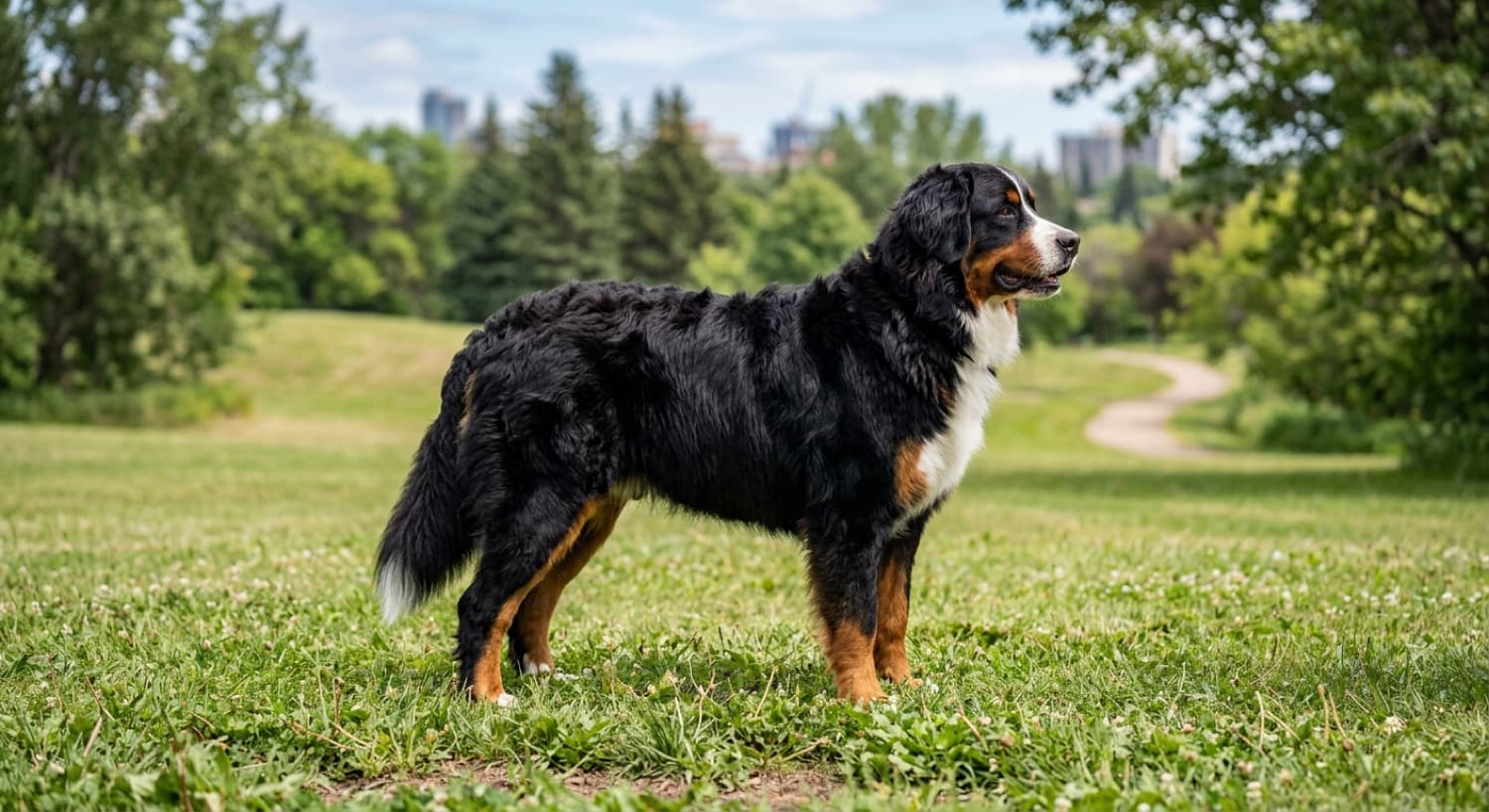
There's no way around it: the Bernese Mountain Dog is a breed with serious health concerns, and the reason its wonderful temperament comes with real heartache. This guide is honest about the medical picture. The most defining issue, cancer and the short lifespan, has its own dedicated guide; here we cover the fuller health picture and what you can do.
Cancer and lifespan: the defining concern
The single most important Bernese health concern is cancer, the breed has notably high rates (including the aggressive histiocytic sarcoma), and it's a leading cause of death and the main reason for the breed's heartbreakingly short lifespan (~7 to 10 years). This is the defining reality of owning a Bernese, and it has its own dedicated guide.
Because it's so central, we cover cancer, lifespan, and going into Bernese ownership with your eyes open in depth in our lifespan and cancer guide. Here, the rest of the health picture.
Hip and elbow dysplasia, and arthritis
Like many large breeds, Bernese are prone to hip and elbow dysplasia (joints that don't form correctly, leading to pain and arthritis), and generally to arthritis and mobility problems, especially with age and the strain of a heavy body. Signs: stiffness, limping, difficulty rising, reluctance to exercise or climb stairs, a bunny-hop gait.
You can't change genetics, but you can significantly support the joints: keep the dog lean (the single most important thing, excess weight is very hard on joints), provide appropriate regular exercise without overdoing high-impact activity (especially in growing puppies), feed a proper large-breed diet, and give good footing (rugs on slippery floors). If signs appear, see your vet, management ranges from weight control, controlled exercise, supplements, and physiotherapy through medication to, sometimes, surgery. Reputable breeders screen via OFA. Orthopedic care can be costly, part of the insurance case.
Bloat (GDV): know the signs
Bloat (gastric dilatation-volvulus) is a life-threatening emergency that deep-chested large breeds like the Bernese are at risk of, and it can kill within hours. Signs, an emergency: a distended, hard abdomen; unproductive retching (trying to vomit but bringing nothing up); restlessness, pacing, distress; drooling; rapid breathing; signs of shock. Get to an emergency vet IMMEDIATELY, minutes matter, do not wait.
To reduce the risk: feed two or more smaller meals a day (not one large one), avoid vigorous exercise right before and after eating, don't let the dog gulp large amounts of water at once, and slow down fast eaters. A preventive surgery, gastropexy (tacking the stomach so it can't twist), can be done, often at spay/neuter, and is worth discussing for an at-risk breed (ask if a rescue dog has had it). Bloat can't be fully prevented, so knowing the signs to act immediately is the single most important thing, essential knowledge for any Bernese owner.
Heat sensitivity and other conditions
The heavy double coat that makes Bernese love the cold also makes them heat-sensitive, a real consideration in Montreal summers. Keep them cool (AC or cool spaces on hot, humid days), exercise in the cool hours, provide shade and water, never leave them in a hot car, and watch for overheating (heavy panting, weakness, bright red gums, collapse, an emergency). Don't shave the coat (it helps regulate temperature); manage heat through environment and activity, and keep the coat mat-free.
The flip side is a real advantage: Bernese thrive in Montreal winters. The breed can also be prone to certain eye conditions (such as progressive retinal atrophy) and various other inherited issues, another reason routine veterinary care and, if buying, a health-testing breeder matter. See our adoption guide for the coat and grooming picture.
The strong insurance case
Pet insurance is worth considering for a Bernese more than for almost any other breed, because the odds of serious, expensive health problems are real: cancer (treatment can run into many thousands), orthopedic issues (costly management or surgery), bloat (expensive emergency surgery), and others, and Montreal vet care isn't cheap.
Take out insurance while the dog is young and healthy, before any condition is diagnosed and excluded, especially important for a breed so prone to issues. Compare providers, understand coverage and limits, and read the fine print. If you self-insure, be realistic: a Bernese may need a substantial fund given the real possibility of major expenses. For an adopted adult or senior, some conditions may already be present, so go in financially prepared. Good preventive care and financial preparedness are genuinely important parts of responsible Bernese ownership.
Browse adoptable dogs in Montreal
A good rescue shares a dog's known health history. Refreshed regularly across Montreal-area organizations.
See Available Dogs →Frequently Asked Questions
What are the main health problems?
Most importantly cancer (high rates, a leading cause of death and the main reason for the short lifespan, see the lifespan guide), plus hip and elbow dysplasia and arthritis, bloat/GDV risk, eye conditions, and heat sensitivity from the heavy coat. Serious issues, but weight management, joint support, bloat awareness, heat care, and good routine care are within your control.
Are they prone to hip and elbow dysplasia?
Yes, like many large breeds, plus general arthritis with age. Keep the dog lean (the most important thing), provide appropriate exercise without overdoing high-impact activity (especially in puppies), feed a large-breed diet, and give good footing. Management ranges from weight control and supplements to medication and sometimes surgery.
What is bloat and why is it dangerous?
Bloat (GDV) is a life-threatening emergency deep-chested large breeds are at risk of, the stomach distends and can twist, killing within hours. Signs: distended hard abdomen, unproductive retching, restlessness and distress, drooling. Get to an emergency vet immediately. Reduce risk with smaller meals, calm around eating, and consider gastropexy surgery.
Do they have problems with heat?
Yes, the heavy coat that makes them love cold makes them heat-sensitive, a real consideration in Montreal summers. Keep them cool, exercise in the cool hours, provide shade and water, never leave them in a hot car, and watch for overheating. Don't shave the coat (it regulates temperature). The flip side: they thrive in Montreal winters.
How long do they live, and is insurance worth it?
Sadly, only ~7 to 10 years, one of the shortest lifespans of any breed, largely due to the high cancer rate (see the lifespan guide). Insurance is worth considering more than for almost any other breed, given the real odds of cancer, orthopedic, or bloat costs. Insure while young and healthy, or keep a substantial fund.
Related Montreal guides
Bernese Mountain Dog Adoption in Montreal
Where to adopt, the gentle-giant temperament, coat and heat needs, real costs, and who the breed suits.
Lifespan & Cancer: The Honest Reality
Why the breed lives only ~7 to 10 years, the high cancer rate, and going into Bernese ownership with your eyes open.
Adoptable Dogs in Montreal
All currently available dogs across Montreal-area organizations, including large breeds and mixes. Updates regularly.
Montreal Dog Adoption Resources
All our Montreal dog adoption guides in one place.
New dog? Start with these care guides
Everything a new adopter needs to set up a safe, happy home.