The short answer
Greyhounds are gentle, calm, quiet, affectionate, and famously lazy, the fastest breed (~45 mph / 72 km/h) but sprinters, not marathoners, “45 mph couch potatoes” that sleep 16 to 18 hours a day and need only moderate exercise, making them wonderful, easy, even apartment-friendly companions. Most adoptable Greyhounds are retired racers placed through Greyhound adoption groups (the usual, recommended route, they assess temperament, including prey drive/cat-safety). Two crucial caveats: a strong prey drive means they generally can't be trusted off-leash in unfenced areas (leashed walking, secure fenced areas), and the very thin coat and low body fat make them extremely cold-sensitive, so a winter coat is essential in Montreal and they must live indoors. They also need a soft bed (bony, thin-skinned). Adoption runs ~$300 to $600; they live ~10 to 14 years.
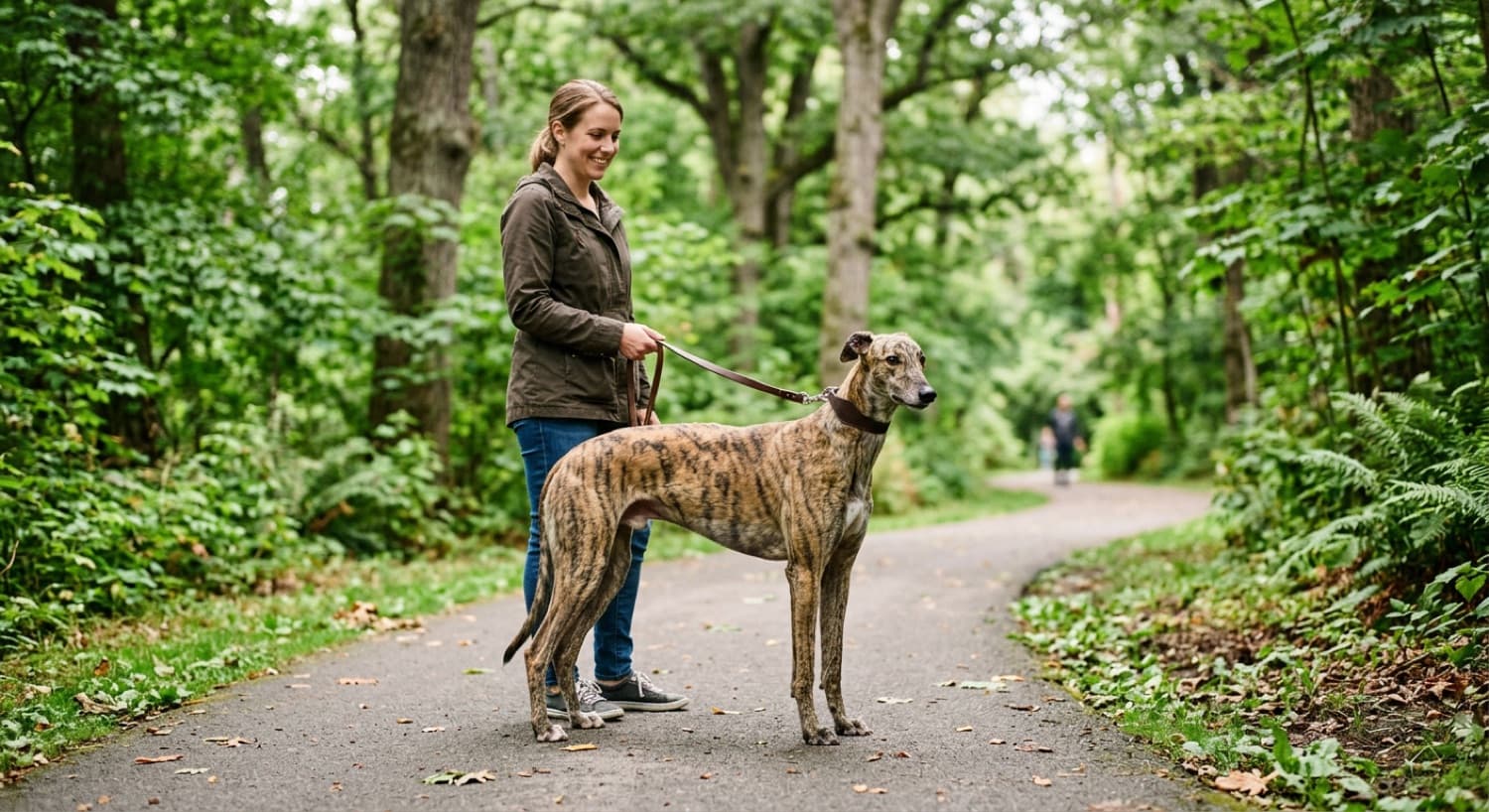
Here's the surprise that wins people over: the fastest dog on earth is also one of the laziest, gentlest, easiest housemates you can adopt. Greyhounds, mostly retired racers, are quiet, sweet couch potatoes who ask for little more than a soft bed and your company. The two things you must get right are the prey drive (leashed walking) and the cold (a winter coat). Here's what Montreal adopters should know.
Where to adopt in Montreal
Greyhound adoption is a bit different, most adoptable Greyhounds are retired racers placed through dedicated groups:
- •Greyhound-specific adoption and rescue groups, sighthound/Greyhound organizations in Canada (some placing retired racers and covering or shipping to Quebec), which specialize in the breed, assess temperament (including prey drive and cat-safety), and provide excellent adopter support, often the best route for this breed.
- •LocalPetFinder's Montreal dog listings, aggregating adoptable dogs from Montreal-area shelters and rescues, refreshed regularly. Search Greyhounds and sighthound mixes.
- •The Montreal SPCA and Montreal-area general/sighthound rescues.
Adopting an adult (which most Greyhounds are, retired racers are typically adults) means the gentle temperament and size are known, and a Greyhound group will assess the crucial matter of prey drive and cat/small-animal suitability and match the right dog to your home. Availability varies over time (as racing has ended in many places), so patience and working with a Greyhound group help. Adoption is by far the usual, recommended route for this breed.
The gentle “45 mph couch potato” temperament
Greyhounds are famously gentle, calm, quiet, sweet-natured, and affectionate, and, to most people's surprise, remarkably low-energy and lazy at home. The biggest misconception is that the fastest breed (~45 mph / 72 km/h) must need enormous exercise, in fact Greyhounds are sprinters, not marathoners, famous “45 mph couch potatoes” who sleep 16 to 18 hours a day and love a soft bed. They need only moderate daily exercise (a couple of walks, the occasional safe run), not intense exercise, making them gentle, quiet, undemanding, easy housemates.
The crucial trait to understand: as sighthounds bred to chase, Greyhounds have a strong prey drive (a hardwired instinct to chase small, fast-moving animals), which has major implications for off-leash safety and living with cats/small pets, the most important thing about the breed (see the off-leash & recall guide).
They're also typically gentle and sensitive (responding to kind, positive handling, retired racers may be shy at first and blossom with patience), usually quiet (rarely barky, an apartment plus), generally good with respectful children and often other dogs (cats depend on the individual's prey drive, groups assess and place “cat-friendly” dogs), and creatures of comfort (they love warm, soft places, a nod to the thin coat). Retired racers, used to kennel life, may need patient help adjusting to home life (stairs, glass doors, being alone), which they typically manage well with gentle time.
Family fit and the Montreal climate
The Greyhound's gentle, calm nature makes it a lovely family companion, typically good with respectful children (supervise and teach gentle handling; a sensitive Greyhound appreciates calm) and often other dogs. The main family consideration is prey drive and small pets: some Greyhounds may not be safe with cats or small animals, so if you have them, adopt through a group that can place a carefully-assessed “cat-friendly” dog (many Greyhounds live happily with cats, but it depends on the individual). Surprisingly, their calm, quiet, lazy nature makes them excellent apartment dogs (a great fit for Montreal, and for less-active owners), given moderate daily exercise.
Climate is a major Montreal consideration. The Greyhound's very short, thin, single coat with almost no undercoat and very little body fat makes it extremely cold-sensitive and not built for Montreal winters, so it genuinely needs a warm coat (and often booties) for winter walks, short outings in extreme cold, and to live indoors (a warmth-loving indoor dog, some even appreciate a sweater or blanket indoors). This is a real, important consideration, but very manageable with a coat and sensible care. Also, given the prey drive and near-instant speed, they generally can't be trusted off-leash in unfenced areas.
Despite their size, their low energy means Greyhounds don't need much space, but they do need a soft, supportive bed (their bony, thin-skinned build makes hard surfaces uncomfortable and can cause pressure sores). For a Montreal individual or family, including apartment dwellers and less-active owners, wanting a gentle, calm, quiet, affectionate, low-energy companion, and who can provide winter warmth, leashed exercise, a soft bed, and (if they have cats/small pets) a carefully-matched dog, a Greyhound is a wonderful, easy, often surprisingly well-suited companion.
The real cost
Adoption fees (often through Greyhound groups placing retired racers) run ~$300 to $600, usually covering spay/neuter, vaccinations, microchipping, and often dental work and a thorough vet work-up done before placement, good value. (Buying from a breeder is uncommon and unnecessary given how many retired racers need homes.) Ongoing costs are moderate: food (a large but lean, moderate-appetite dog), routine vet care, dental care (the breed is notably dental-prone, an important recurring consideration), a warm winter coat (essential in Montreal, not a luxury), a soft supportive bed, and a fund or insurance for potential issues (dental, bloat, certain cancers including osteosarcoma). Grooming is minimal (short coat).
Note some Greyhound-specific veterinary considerations (their unusual physiology and anesthesia sensitivity, ensure your vet is aware, see the health guide). Pet insurance is worth considering (take it out while the dog is young and healthy). Under Quebec's Civil Code (article 898.1), animals are recognized as sentient beings, not mere property. A Greyhound is a relatively moderate, manageable cost to own (low grooming, moderate appetite, generally fair health), with the main breed-specific considerations being dental care, winter gear, a good bed, and awareness of the breed's physiology, budget for good care over the dog's life (Greyhounds typically live ~10 to 14 years).
Browse adoptable dogs in Montreal
Adopting a retired racing Greyhound through a group that assesses temperament and prey drive is the usual, rewarding route. Refreshed regularly across Montreal-area organizations.
See Available Dogs →Frequently Asked Questions
Where can I adopt a Greyhound in Montreal?
Mostly through Greyhound-specific adoption groups placing retired racers (they assess temperament, including prey drive and cat-safety, and provide great support, often the best route), plus LocalPetFinder's Montreal listings, the Montreal SPCA (spca.com), and sighthound rescues. Availability varies over time (racing has ended in many places), so patience and working with a Greyhound group help. Adoption is the usual, recommended route for this breed.
What is their temperament like?
Gentle, calm, quiet, affectionate, and famously lazy, the fastest breed (~45 mph) but sprinters, not marathoners, “45 mph couch potatoes” that sleep 16 to 18 hours a day and need only moderate exercise. Usually quiet (an apartment plus) and gentle/sensitive. The crucial trait: a strong prey drive (they chase small animals), with major implications for off-leash safety and living with cats/small pets.
Are they good in Montreal?
Surprisingly, they're excellent apartment dogs (calm, quiet, lazy, rarely barky), a great fit for Montreal and less-active owners, given moderate exercise. But the very thin coat and low body fat make them extremely cold-sensitive, so a warm coat (and often booties) is essential in Montreal winters and they must live indoors. Given the prey drive and near-instant speed, they can't be trusted off-leash. They also need a soft bed.
How much does it cost?
Adoption runs ~$300 to $600 (usually including spay/neuter, vaccinations, microchipping, and often dental work and a vet work-up). Ongoing costs are moderate: food, vet care, dental care (the breed is dental-prone), an essential winter coat, a soft bed, and a fund or insurance (dental, bloat, osteosarcoma). Grooming is minimal. Note anesthesia sensitivity, ensure your vet knows Greyhound physiology. They live ~10 to 14 years.
What should I know before adopting one?
They're gentle, calm, and surprisingly lazy (moderate exercise, often apartment-suited), but have a strong prey drive (can't be trusted off-leash; cat-safety depends on the individual), are very cold-sensitive (need a winter coat, live indoors), need a soft bed (bony, thin-skinned), and, as retired racers, may need patient help adjusting to home life. They're dental-prone and have breed-specific physiology (anesthesia). Low-grooming and generally an easy breed.
Should I adopt a retired racer or buy from a breeder?
Adopt, it's by far the usual, recommended route for Greyhounds. So many wonderful retired racers and rescue Greyhounds need homes that buying from a breeder is uncommon and unnecessary. Greyhound adoption groups do a thorough vet work-up, assess temperament (including prey drive and cat-safety), and provide expert breed-specific support. Most adoptable Greyhounds are gentle adults, so you also skip puppyhood.
Related Montreal guides
Greyhound Health Issues
Dental disease, bloat, osteosarcoma and cancers, the breed's unusual physiology and anesthesia sensitivity, cold-sensitivity, and the pet-insurance case.
Greyhound Off-Leash, Prey Drive & Recall
Why Greyhounds can't be trusted off-leash, the prey drive, living safely with cats and small pets, and secure exercise, the breed's most important safety topic.
Adoptable Dogs in Montreal
All currently available dogs across Montreal-area organizations, including Greyhounds and sighthound mixes. Updates regularly.
Montreal Dog Adoption Resources
All our Montreal dog adoption guides in one place.
New dog? Start with these care guides
Everything a new adopter needs to set up a safe, happy home.