The short answer
Greyhounds are, in many ways, a fairly sound, healthy breed (relatively free of issues like hip dysplasia) with a normal lifespan (~10 to 14 years), but with important, often breed-specific considerations. The key ones: dental disease (very common, take dental care seriously), bloat/GDV (a deep-chested breed, know the signs and act immediately), an elevated osteosarcoma (bone cancer) risk (watch for lameness and lumps), and, crucially, the breed's unusual physiology and anesthesia sensitivity (low body fat, different normal bloodwork, thin skin, sensitivity to some anesthetics, ensure your vet is Greyhound-aware, especially before any procedure). They're also very cold-sensitive (a winter coat in Montreal) and need soft bedding. Levers you control: dental care, bloat awareness, cancer vigilance, a Greyhound-aware vet, and warmth. Insurance is worth considering (cancer especially), insure while young.
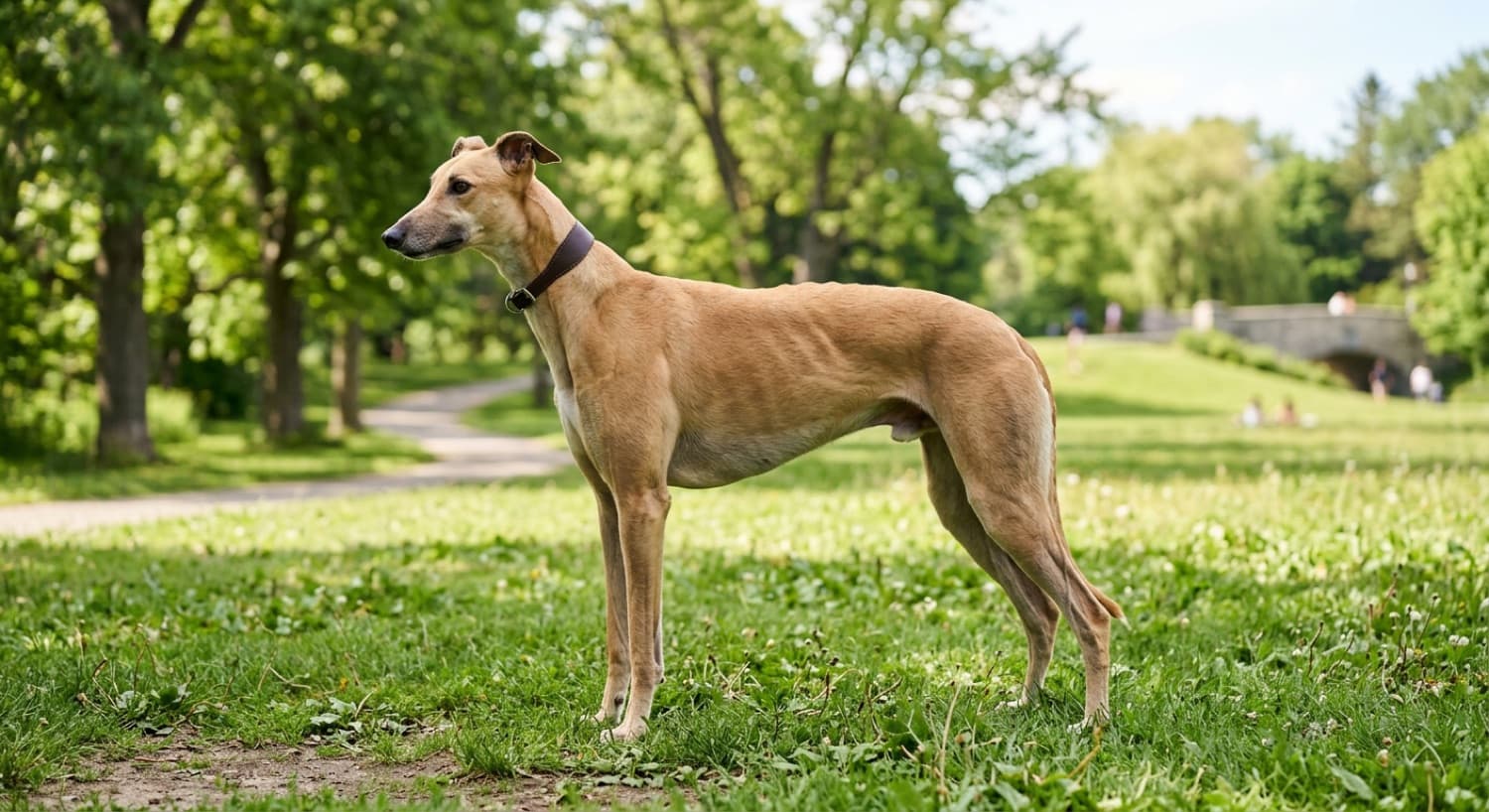
In many ways the Greyhound is a refreshingly sound breed, athletic, purpose-bred, and free of some issues that plague popular breeds. But it comes with a distinctive set of health considerations, some of them genuinely breed-specific (the physiology and anesthesia sensitivity in particular), that owners and their vets must understand. Here's the health picture, condition by condition.
Dental disease: a genuine breed priority
Greyhounds are notably prone to dental disease, poor dental health is genuinely common in the breed (and in retired racers, dental disease is very often already present at adoption, which is why Greyhound groups commonly do a dental cleaning and any extractions before placement). Advanced dental disease causes pain, tooth loss, and can affect overall health, so it's not just about bad breath.
It's very much within your control: regular tooth brushing (ideally daily or several times a week, dog toothpaste) is the single most effective measure, supported by dental chews and diets, plus professional cleanings under anesthesia as your vet advises (and note the breed's anesthesia sensitivity, so a Greyhound-aware vet and appropriate protocols matter, below). Get an adopted Greyhound used to brushing gently, and watch for bad breath, red or bleeding gums, heavy tartar, or difficulty eating. Because dental disease is so common (and cleanings, with the anesthesia consideration, add up), it's both an important health priority and a budget consideration, genuinely one of the breed's most important health habits.
Unusual physiology and anesthesia sensitivity
One of the most important, breed-specific things to know: Greyhounds have a genuinely unusual physiology. Above all, anesthesia sensitivity, they're notably sensitive to certain anesthetic drugs (partly due to very low body fat, into which some anesthetics redistribute, plus metabolic differences), so standard protocols can be riskier and Greyhound-appropriate anesthetic protocols matter. They also have different normal bloodwork (e.g. higher red blood cell counts), so a vet should interpret results with Greyhound reference ranges to avoid misdiagnosis, plus a lean, low-fat build, thin skin (prone to cuts and injuries), and some bleeding/clotting considerations.
The practical upshot: make sure your veterinarian knows your dog is a Greyhound and is aware of the breed's physiology and anesthesia sensitivity (worth confirming and discussing, especially before any procedure involving anesthesia, like a dental), and consider a Greyhound-experienced vet if possible. These differences are normal for the breed, not problems in themselves, but they must be accounted for in the dog's medical care. Greyhound adoption groups are typically very knowledgeable and can advise. Ensuring your vet is Greyhound-aware is one of the most important things you can do for the breed's medical care.
Bloat and cancer (osteosarcoma)
Bloat (GDV) is a life-threatening emergency deep-chested breeds like the Greyhound are at risk of, the stomach distends and can twist, killing within hours. Signs, an emergency: a distended, hard abdomen; unproductive retching (a classic sign); restlessness and distress; drooling; rapid breathing. Get to an emergency vet IMMEDIATELY. Reduce risk with smaller meals and calm around eating, and discuss preventive gastropexy with your vet (mindful of the anesthesia consideration).
Cancer, especially osteosarcoma: Greyhounds have an elevated lifetime risk of certain cancers, most notably osteosarcoma (bone cancer), an aggressive cancer the breed is predisposed to. It often affects the limbs, and a common early sign is lameness or a swelling on a leg, so persistent or unexplained lameness in a Greyhound warrants prompt veterinary attention, as does any new lump or unexplained illness. You can't reliably prevent cancer, but staying attentive, keeping up routine care, checking lameness and lumps promptly, and being especially vigilant with age gives the best chance of early detection; a vet or oncologist (Montreal has oncology services) can discuss options. The elevated cancer risk is a significant part of the insurance case. See our adoption guide.
Lifespan and the insurance case
Greyhounds typically live ~10 to 14 years (a reasonable lifespan for a large breed, they're generally sound). Keep one healthy with dental care (a genuine priority), bloat awareness, cancer/lameness vigilance, a Greyhound-aware vet (physiology and anesthesia), cold protection (a winter coat) and soft bedding, and good routine care. On insurance: worth considering, while the breed is generally sound, the conditions it can face can be costly, notably cancer (osteosarcoma treatment, potentially surgery, chemotherapy, or amputation, can be very expensive), plus bloat (emergency surgery), ongoing dental care, and others.
Take out insurance while the dog is young and healthy, before any condition is excluded. Note that most Greyhound adopters take on an adult/retired racer, it's still worth insuring promptly before any condition arises, though some conditions in an older dog may be harder to cover, so read policies carefully. If you self-insure, keep a solid vet fund with the possibility of expensive cancer treatment particularly in mind. Greyhound adoption groups typically do a thorough vet work-up (often including dental) before placement, so an adopted Greyhound often starts with known, addressed health status. Overall, the breed's general soundness and reasonable lifespan are appealing, but the elevated cancer risk makes financial preparedness genuinely worthwhile, alongside good preventive care (especially dental) and a Greyhound-aware vet.
Browse adoptable dogs in Montreal
Greyhound adoption groups typically do a full vet work-up (often including dental) before placement, so you start with known health status. Refreshed regularly across Montreal-area organizations.
See Available Dogs →Frequently Asked Questions
What are the main health problems?
The Greyhound is, in many ways, a fairly sound breed (relatively free of issues like hip dysplasia) with a normal lifespan (10 to 14 years), but with important, often breed-specific considerations: notable dental disease, bloat risk, an elevated osteosarcoma (bone cancer) risk, and the breed's unusual physiology and anesthesia sensitivity. It's also very cold-sensitive (a winter coat in Montreal) and needs soft bedding.
Why are they prone to dental problems?
The breed is predisposed to periodontal disease and tartar, and in retired racers dental disease is very often already present at adoption (which is why groups commonly do a dental before placing a dog). Advanced dental disease causes pain and affects health. Brush regularly (dog toothpaste), use dental chews, and get professional cleanings as your vet advises (mindful of the breed's anesthesia sensitivity). A genuine breed priority.
What is the unusual physiology and anesthesia sensitivity?
Greyhounds differ from most dogs: they're notably sensitive to certain anesthetics (low body fat plus metabolic differences), so Greyhound-appropriate protocols matter; they have different normal bloodwork (e.g. higher red cell counts), so results should be read with Greyhound ranges; and they have a lean build, thin skin, and some clotting considerations. Ensure your vet is Greyhound-aware, especially before any anesthesia (like a dental). These are normal for the breed but must be accounted for.
Are they prone to bloat and cancer?
Yes. Bloat (GDV) is a life-threatening emergency deep-chested breeds are at risk of, know the signs (distended hard abdomen, unproductive retching, distress) and get to an emergency vet immediately; reduce risk with smaller meals and consider gastropexy. And the breed has an elevated lifetime risk of osteosarcoma (bone cancer), often showing as lameness or a leg swelling, so persistent lameness or any new lump warrants prompt veterinary attention.
How long do they live, and is insurance worth it?
Typically 10 to 14 years. Insurance is worth considering, while generally sound, the breed's potential conditions can be costly, notably cancer (osteosarcoma treatment can be very expensive), plus bloat surgery and ongoing dental care. Insure while young and healthy (most adopters take on an adult/retired racer, still worth insuring promptly). Or keep a solid vet fund with cancer treatment in mind. Adoption groups often place dogs with a full vet work-up done.
Related Montreal guides
Greyhound Adoption in Montreal
Where to adopt (usually a retired racer), the gentle couch-potato temperament, the prey-drive and cold-sensitivity realities, real costs, and who the breed suits.
Greyhound Off-Leash, Prey Drive & Recall
Why Greyhounds can't be trusted off-leash, the prey drive, living safely with cats and small pets, and secure exercise.
Adoptable Dogs in Montreal
All currently available dogs across Montreal-area organizations, including Greyhounds and sighthound mixes. Updates regularly.
Montreal Dog Adoption Resources
All our Montreal dog adoption guides in one place.
New dog? Start with these care guides
Everything a new adopter needs to set up a safe, happy home.