The short answer
Newfoundlands are the ultimate gentle giants, sweet, calm, patient, deeply devoted “nanny dogs” famously wonderful with children, generally good with other pets, and mellow (moderate-low energy, they love water and snow). The temperament is one of the loveliest of any breed, the challenges are size, coat, drool, cost, and a short lifespan. Start on LocalPetFinder's Montreal listings, the Montreal SPCA, and giant-breed/Newf rescue (be open to a mix or an adult, and adopting an adult skips the demanding giant-puppy stage). Key Montreal point: the heavy water-resistant coat makes the Newf thrive in winter (it adores snow) but heat-sensitive in summer (keep it cool, never shave). Enormous (100 to 150 lbs), needs space, sheds heavily and drools, and, sadly, lives only ~8 to 10 years with serious health risks (heart, joints, bloat). Adoption runs ~$300 to $700; insurance strongly advised.
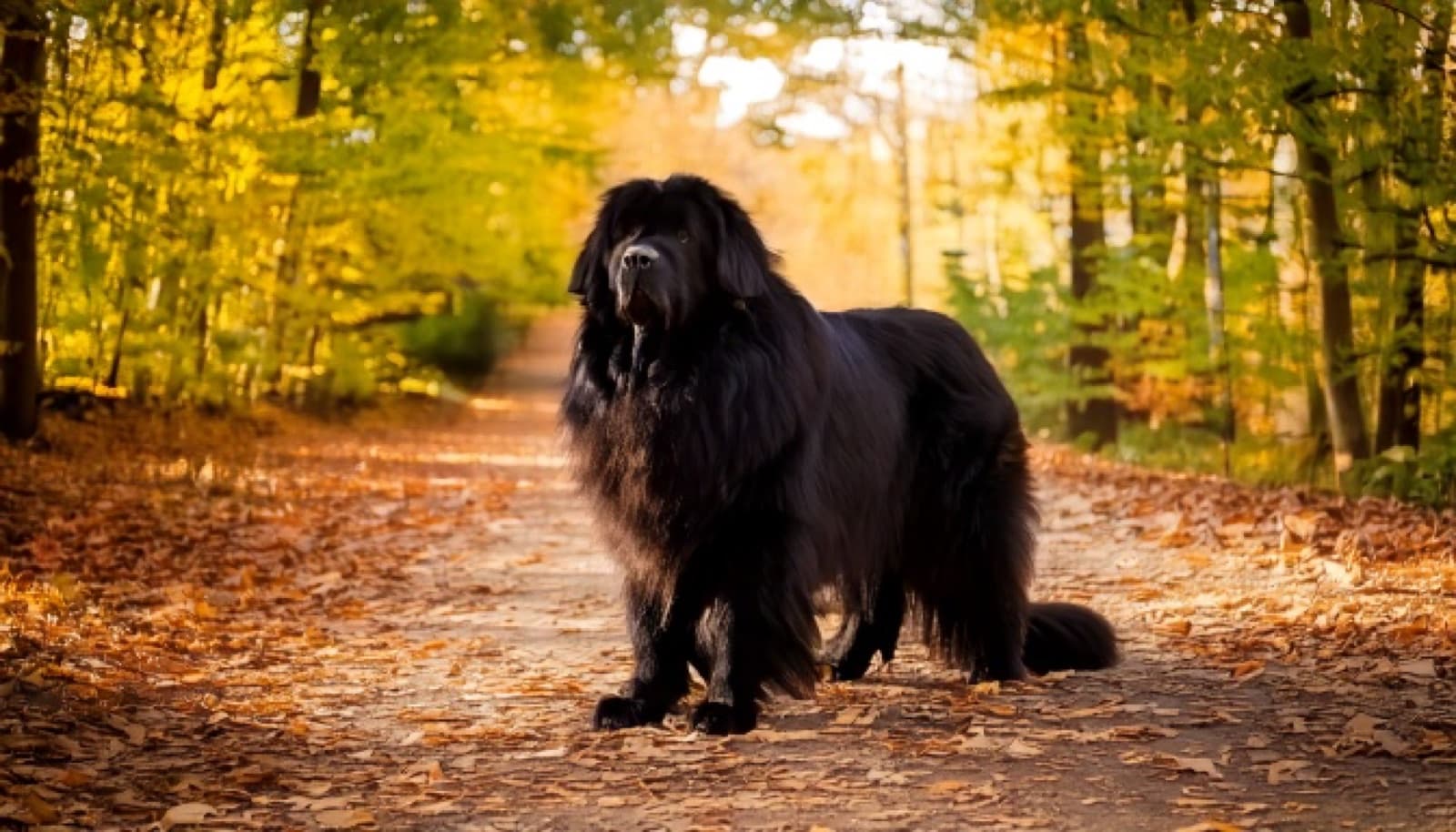
If ever a dog earned the title “gentle giant,” it's the Newfoundland: a sweet, patient, devoted mountain of a dog bred to haul nets and pull people from cold water, and famously tender with children. And, being a cold-water working breed, it genuinely loves a Montreal winter. The temperament is pure joy; the hard parts are the practical realities of a giant, coat-heavy, drooly dog, and a heartbreakingly short life. Here's what Montreal adopters should know.
Where to adopt in Montreal
A few routes, though purebreds are relatively uncommon in general rescue, so patience helps:
- •LocalPetFinder's Montreal dog listings, aggregating adoptable dogs from Montreal-area shelters and rescues, refreshed regularly. Search Newfoundlands and Newf mixes.
- •The Montreal SPCA, Quebec's largest animal-protection organization, which takes in giant breeds.
- •Montreal-area general and large/giant-breed rescues, many foster-based, posting dogs through their websites and social media.
- •Newfoundland and giant-breed rescue networks in Canada that sometimes cover Quebec.
Adopting an adult Newf is genuinely valuable, you know the (considerable) size and temperament, and skip the demanding, fast-growing giant-breed puppy stage (where diet and exercise need careful joint-protective management). Be open to a mix or an adult. Some Newfs are in rescue because owners underestimated the size, cost, coat care, or health/lifespan, so adopting can mean giving a gentle giant a home it truly needs.
The gentle “nanny dog” temperament
Newfoundlands are famous for a sweet, gentle temperament, the quintessential gentle giants, often called “nanny dogs” for their legendary patience, gentleness, and devotion, especially with children. Despite their enormous size, Newfs are typically calm, patient, affectionate, good-natured, and deeply devoted. Bred as working water-rescue dogs, they combine strength with a notably kind, trustworthy disposition, gentle guardians, not aggressive dogs. They're typically excellent with children (supervise young ones given the size) and generally good with other pets.
They're moderately-low energy (enjoying walks and especially water/swimming, but largely calm, mellow couch companions needing regular moderate, not extreme, exercise), intelligent and trainable (they respond best to kind, positive, patient methods, and early training matters so a giant dog is manageable), and deeply people-oriented (they don't do well isolated). Two notes: Newfs drool, and their sheer size means even gentle behaviour (a lean, a wag) has real force (see the grooming & drool guide). The temperament is one of the loveliest of any breed and the breed's great joy, the challenges are size, coat, drool, cost, and lifespan, not temperament.
Family fit and the Montreal climate
The Newf's gentle, patient nature makes it a truly lovely family companion, legendary for being good with children, so for a family with the space, time, and means for a giant dog, it can be a wonderful gentle guardian. As with any giant breed, supervision with young children is essential (a Newf can knock a small child over just by moving), but the gentle nature is a real asset. The considerations are mostly about size and coat:
Space: enormous (100 to 150 lbs), so it needs room, more space (and some yard) is far easier, a small apartment is generally impractical. Climate, a Newf advantage in Montreal: the heavy, water-resistant double coat means the Newf thrives in cold winters and adores snow. But that coat makes it heat-sensitive and prone to overheating, so hot, humid summers need real care (keep it cool, air conditioning on hot days, exercise in the cool hours, water and shade), and never shave the coat. Coat and drool: the heavy coat sheds a lot and needs regular grooming, and the breed drools, a higher-maintenance, messier housemate.
Newfs also need companionship (they're deeply people-oriented, not to be isolated) and are expensive (giant-breed food and vet care). For a Montreal individual or family who can accommodate an enormous dog, physically, financially, and in coat care, drool, and companionship, and who understands the health and short-lifespan realities, a Newfoundland is a magnificent, gentle, deeply loving companion, and its love of cold makes it wonderfully suited to Montreal winters. See the grooming & drool guide.
The real cost
Adoption fees run ~$300 to $700 (usually covering spay/neuter, vaccinations, and microchipping), vs $2,500 to $4,000+ from a breeder. For a giant breed the fee is a tiny part, ongoing costs are among the highest of any breed: large quantities of food, markedly more expensive giant-breed vet care (weight-dosed medications, pricier procedures, plus the breed's serious health issues), substantial grooming (the heavy coat), giant-sized supplies, possibly a larger vehicle, and, critically, a serious fund or pet insurance for the breed's serious health risks (heart, orthopedic, bloat).
Pet insurance is strongly worth considering (take it out while the dog is young and healthy). Under Quebec's Civil Code (article 898.1), animals are recognized as sentient beings, not mere property. The Newfoundland is one of the more expensive breeds to own, largely because of its size and potential health costs, financial readiness is a genuine part of responsible ownership, and underestimating the cost (and coat care) is a common reason giant breeds end up in rescue.
Browse adoptable dogs in Montreal
Newfoundlands and Newf mixes take patience in rescue, so be open to an adult, whose size and temperament you can already know. Refreshed regularly across Montreal-area organizations.
See Available Dogs →Frequently Asked Questions
Where can I adopt a Newfoundland in Montreal?
Start with LocalPetFinder's Montreal listings, the Montreal SPCA (spca.com), large/giant-breed rescues, and Canadian Newfoundland/giant-breed rescue. Purebreds are uncommon in rescue, so be patient and open to a mix or an adult. Adopting an adult lets you know the size and temperament and skips the demanding fast-growing puppy stage, genuinely valuable for a giant breed.
What is their temperament like?
Sweet, gentle, calm, patient, and deeply devoted, the quintessential gentle giants, often called “nanny dogs” for their legendary patience with children. Generally good with other pets, moderately-low energy (they love water and snow), intelligent and trainable with kind positive methods, and deeply people-oriented. They drool and their size means even gentle behaviour has force. The temperament is a joy; the challenges are size, coat, drool, cost, and lifespan.
Is it a good family dog, and can it live in Montreal?
Famously wonderful with children (supervise young ones given the size). Enormous (100 to 150 lbs), so it needs space (a small apartment is impractical). A Montreal advantage: the heavy water-resistant coat means it thrives in cold winters and adores snow, but that coat makes it heat-sensitive, so summers need care (keep it cool, never shave). It sheds heavily, drools, needs companionship, and is expensive to keep.
How much does it cost?
Adoption runs ~$300 to $700 (usually including spay/neuter, vaccinations, microchipping), vs $2,500 to $4,000+ from a breeder. Ongoing costs are among the highest of any breed: large quantities of food, expensive giant-breed vet care, substantial grooming, giant-sized supplies, possibly a larger vehicle, and a serious fund or insurance for the breed's serious health risks (heart, joints, bloat).
What should I know before adopting one?
A wonderful gentle temperament, but it's enormous (size shapes cost, space, supervision), has a heavy shedding coat and drools (a messier, higher-maintenance housemate), loves cold but is heat-sensitive (summer care, never shave), and, crucially, has serious health issues (heart, joints, bloat, cystinuria) and a sadly short lifespan (~8 to 10 years). It needs companionship and moderate exercise. Be emotionally and financially prepared.
Should I buy a puppy or adopt?
Consider adoption first. Buying runs $2,500 to $4,000+, and the breed's serious health issues (especially heart) make a reputable, extensively health-testing breeder essential (cheap puppies are a serious warning sign). Adoption costs far less, helps a dog in need, and, with an adult, lets you know the size, temperament, and health, and skips the demanding fast-growing puppy stage. Purebreds are uncommon in rescue, so consider a mix, an adult, or breed rescue.
Related Montreal guides
Newfoundland Health Issues
Heart conditions (subaortic stenosis), hip and elbow dysplasia, bloat, cystinuria, the short giant-breed lifespan, and the strong pet-insurance case.
Newfoundland Coat, Drool & Heat
The heavy double coat and shedding, the grooming routine, managing the drool, and heat safety for a cold-loving giant in Montreal summers.
Adoptable Dogs in Montreal
All currently available dogs across Montreal-area organizations, including giant breeds and mixes. Updates regularly.
Montreal Dog Adoption Resources
All our Montreal dog adoption guides in one place.
New dog? Start with these care guides
Everything a new adopter needs to set up a safe, happy home.