The short answer
As a giant breed, the Newfoundland carries serious concerns. The most defining: heart disease, the breed is notably prone to inherited subvalvular aortic stenosis (SAS), so cardiac screening/evaluation matters (watch for a murmur, fainting, or exercise intolerance). Also: hip and elbow dysplasia (careful giant-breed puppy growth), bloat/GDV (a deep-chested giant breed, know the signs and act immediately, consider gastropexy), and cystinuria (an inherited urinary-stone condition, genetic testing exists). Like other giants, the lifespan is sadly short, ~8 to 10 years. Levers you control: cardiac awareness, bloat prevention, careful puppy growth, keeping the dog lean, heat management (the heavy coat), and routine care. Given the risks and costly giant-breed care, insurance is strongly advised, insure while young.
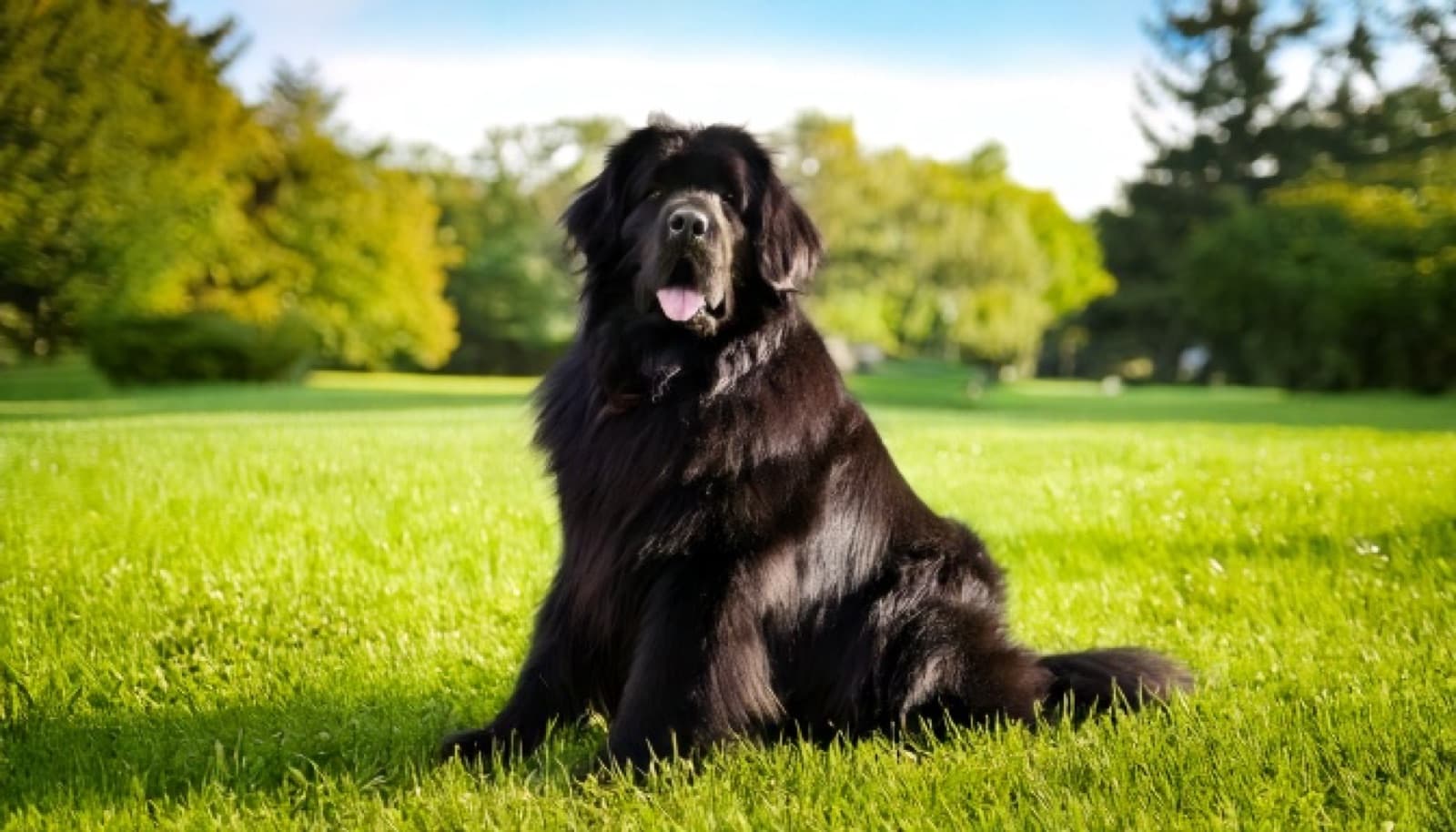
The Newfoundland's gentle temperament is easy; its health is not. As a giant breed, the Newf carries serious concerns that any prospective owner must understand, one above all. This guide is honest about the medical picture, starting with the breed's defining risk: its heart.
Heart disease (SAS): the defining concern
The Newfoundland is notably prone to a specific inherited heart condition, subvalvular aortic stenosis (SAS), a congenital narrowing below the aortic valve that obstructs blood flow and makes the heart work harder. It ranges from mild to severe, and severe SAS can cause heart failure, exercise intolerance, fainting, and, dangerously, sudden death. The breed can also have other heart conditions (dilated cardiomyopathy, pulmonic stenosis). Signs: a heart murmur (often found by a vet, SAS commonly causes one), exercise intolerance, fainting/collapse, coughing.
The critical response is cardiac screening: because SAS is inherited and can be serious, and a murmur or early disease can be found before symptoms, cardiac evaluation matters, responsible breeders have breeding dogs' hearts screened (ideally by a veterinary cardiologist) to reduce passing on SAS, and for an individual dog, veterinary cardiac evaluation (auscultation, and referral for an echocardiogram if a murmur or concern is found) is worthwhile given the predisposition. Montreal has veterinary cardiology services. For an adopted Newf, ask whether the dog has had a cardiac evaluation or has a known murmur. This is a central reason insurance is strongly advised. Cardiac awareness and screening are genuinely important parts of caring for the breed.
Bloat and orthopedic problems
Bloat (GDV) is a life-threatening emergency deep-chested giants like the Newf are at risk of, the stomach distends and can twist, killing within hours. Signs, an emergency: a distended, hard abdomen; unproductive retching (a classic sign); restlessness and distress; a change in drooling (Newfs drool anyway); rapid breathing. Get to an emergency vet IMMEDIATELY. Reduce risk with smaller meals, calm around eating, and strongly consider preventive gastropexy (often at spay/neuter).
Orthopedic: as a giant breed, Newfs are prone to hip and elbow dysplasia and arthritis, and, importantly, giant-breed puppies grow extremely fast and their joints are vulnerable, so careful growth management matters (an appropriate giant-breed puppy diet, and no over-exercise or hard impact during growth). The breed can also have cranial cruciate ligament (knee) injuries. In adults, keep the dog lean and provide good footing (rugs). Watch for stiffness or limping, and reputable breeders screen hips and elbows via OFA. Both bloat surgery and orthopedic care are expensive for a giant, part of the insurance case.
Cystinuria
Cystinuria is an inherited condition the Newfoundland is notably affected by: a kidney defect leads to high cystine in the urine, which can form cystine bladder/kidney stones. These cause urinary problems (straining, frequent or difficult urination, blood in the urine) and, most seriously, a urinary blockage (a medical emergency, especially in males, where a stone obstructs the urethra, life-threatening and needing immediate care). The Newf form has a known genetic basis, and genetic testing exists (responsible breeders test to reduce passing it on).
Practically: be aware the breed is prone to it, watch for urinary signs (and especially inability to urinate, an emergency), and, if a dog has cystinuria or forms stones, work with your vet on management (a special diet to reduce stone formation, medication, increased water intake, monitoring, and treatment, sometimes surgery, if stones form, with possible recurrence). For an adopted Newf, ask whether the dog has been genetically tested or has any urinary-stone history. Because cystinuria can mean diagnostics, diets, medication, and possible surgery, it can be a significant ongoing cost, part of the insurance case. See our adoption guide.
Short lifespan and the strong insurance case
Like other giant breeds, Newfoundlands are short-lived, typically ~8 to 10 years, one of the hardest realities of the breed (larger breeds live shorter lives, and the Newf's health issues contribute). Go in emotionally prepared for fewer years and the real possibility of serious health issues. Give a Newf its best life with cardiac screening, careful puppy growth, keeping the dog lean, bloat prevention, cystinuria awareness, heat management (the heavy coat), and good routine care.
On insurance: worth considering more than for many breeds, the Newf combines a high likelihood of serious, expensive problems (cardiac care, orthopedic surgery, bloat surgery, cystinuria management) with the inherently higher cost of giant-breed care (weight-dosed medications, pricier procedures), and Montreal vet care isn't cheap. Take out insurance while the dog is young and healthy, before any condition is excluded, especially important for a breed so prone to issues. If you self-insure, be realistic: a Newf may need a substantial fund. For an adopted adult or senior, some conditions may already be present, so go in financially prepared. The bottom line: the breed's serious risks and the high cost of giant-breed care make good preventive care (especially cardiac screening and bloat prevention) and financial preparedness genuinely important, non-optional parts of responsible ownership.
Browse adoptable dogs in Montreal
A good rescue shares a dog's known health history, including any cardiac evaluation or urinary issues. Refreshed regularly across Montreal-area organizations.
See Available Dogs →Frequently Asked Questions
What are the main health problems?
Most importantly heart disease (the breed is notably prone to inherited subvalvular aortic stenosis), plus hip and elbow dysplasia, bloat/GDV, and cystinuria (an inherited urinary-stone condition). Like other giants, the lifespan is sadly short (~8 to 10 years). Cardiac screening, bloat prevention, careful puppy growth, weight management, and heat care (the heavy coat) are the key protective steps.
Why is heart disease such a concern?
The Newfoundland is notably prone to inherited subvalvular aortic stenosis (SAS), a narrowing below the aortic valve that ranges from mild to severe, severe SAS can cause heart failure, fainting, and sudden death. The breed can also have other heart conditions. That's why cardiac screening matters (a vet listening for a murmur, referral for an echocardiogram if found), and why prompt attention to a murmur, fainting, or exercise intolerance is important.
Are they prone to bloat and orthopedic problems?
Yes. Bloat (GDV) is a life-threatening emergency deep-chested giants are at risk of, know the signs (distended hard abdomen, unproductive retching, distress) and get to an emergency vet immediately; reduce risk with smaller meals and consider gastropexy. And as a giant breed they're prone to hip and elbow dysplasia, so manage giant-breed puppy growth carefully, keep adults lean, and provide good footing.
What is cystinuria?
An inherited condition the Newfoundland is notably affected by: a kidney defect leads to cystine bladder/kidney stones, which cause urinary problems and, most seriously, a blockage (an emergency, especially in males). Genetic testing exists (breeders test to reduce it). Watch for urinary signs, seek emergency care for a suspected blockage, and manage a affected dog with your vet (special diet, medication, monitoring, sometimes surgery).
How long do they live, and is insurance worth it?
Sadly short, like other giants, typically ~8 to 10 years. Insurance is worth considering more than for many breeds, the Newf combines a high likelihood of expensive problems (cardiac care, orthopedic and bloat surgery, cystinuria management) with the higher cost of giant-breed care. Prioritize cardiac screening and bloat prevention, insure while young and healthy, and go in financially prepared, or keep a substantial vet fund.
Related Montreal guides
Newfoundland Adoption in Montreal
Where to adopt, the gentle nanny-dog temperament, the size and climate realities, real costs, and who the breed suits.
Newfoundland Coat, Drool & Heat
The heavy double coat and shedding, the grooming routine, managing the drool, and heat safety for a cold-loving giant in Montreal summers.
Adoptable Dogs in Montreal
All currently available dogs across Montreal-area organizations, including giant breeds and mixes. Updates regularly.
Montreal Dog Adoption Resources
All our Montreal dog adoption guides in one place.
New dog? Start with these care guides
Everything a new adopter needs to set up a safe, happy home.