The short answer
The Newfoundland's heavy, water-resistant double coat makes it love Montreal winters, and it's the breed's defining maintenance reality: heavy year-round shedding (plus dramatic seasonal “coat blows”) and substantial regular grooming (thorough brushing several times a week with an undercoat rake, periodic bathing with thorough drying, often professional grooming). Never shave the double coat, it harms temperature regulation and the coat, and doesn't actually cool the dog or reduce shedding. The breed also drools (keep cloths handy, wipe the jowls, use easy-clean setups). And crucially, that cold-loving coat makes the Newf heat-sensitive, so Montreal summers need real heat safety (keep it cool, air conditioning, cool-hour and water-based exercise, watch for overheating). A magnificent but genuinely high-maintenance, messy giant.
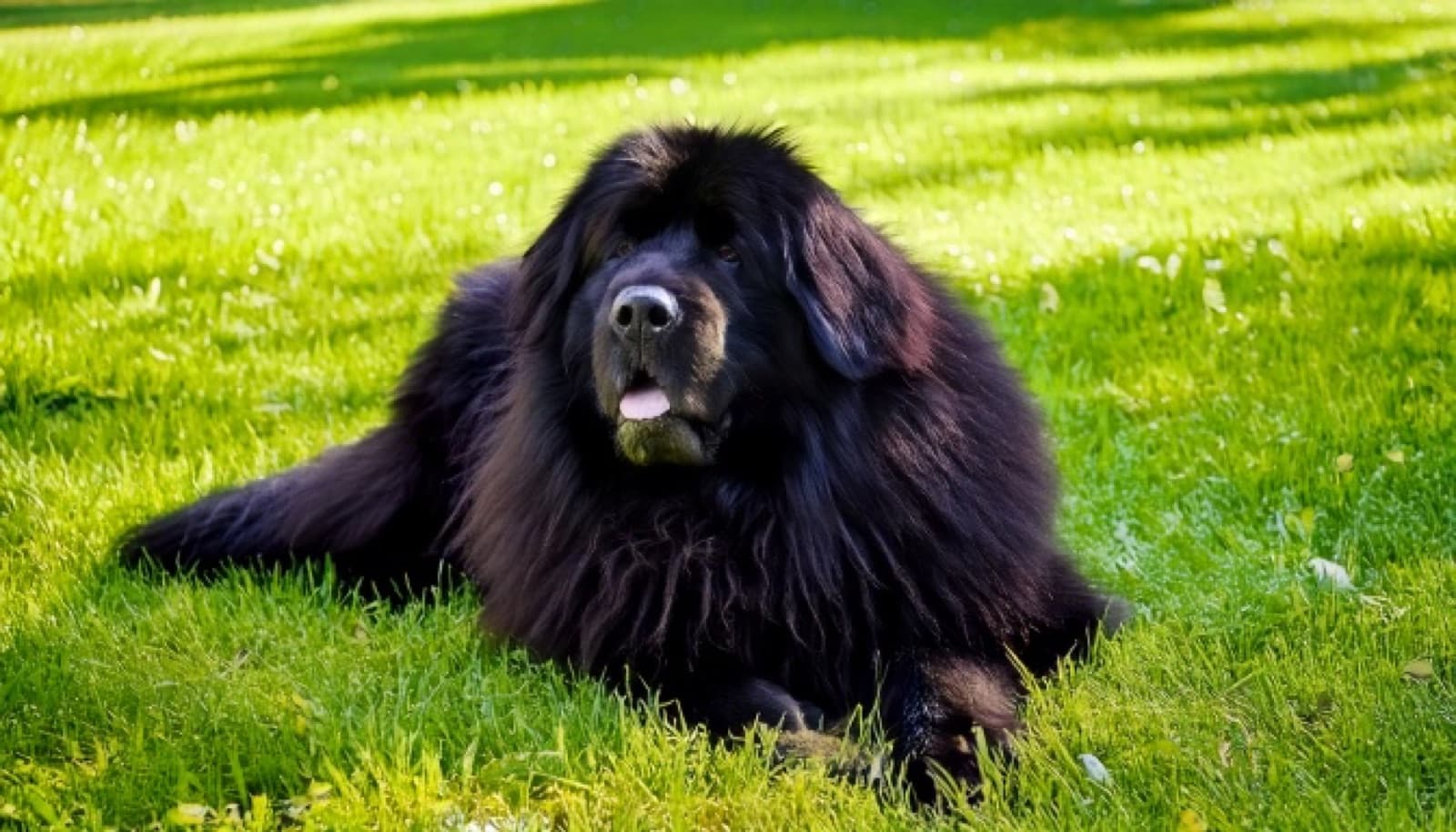
Loving a Newfoundland means loving its coat, and everything that comes with it: a mountain of shed hair, a real grooming routine, a fair amount of drool, and a dog that's built for cold water and therefore needs careful heat management in summer. None of it is a dealbreaker for the right owner, but going in with clear expectations makes all the difference. Here's the everyday reality.
The double coat and heavy shedding
The Newf has a heavy, thick, water-resistant double coat (a soft insulating undercoat under a coarser, water-repellent outer coat), built to keep the breed warm in cold water, which is why Newfs thrive in Montreal winters and adore snow. But it's high-maintenance and it sheds a lot: heavily year-round (a giant dog's worth of hair everywhere) plus dramatic seasonal “coat blows” (often spring and fall). A Newf is not a dog for a tidy, low-hair home.
The coat needs regular, substantial grooming (below) to stay healthy, prevent matting, and manage shedding, one of the breed's main commitments (along with drool, cost, and size). It readily traps dirt, moisture, and debris (and, in Montreal, snow and salt), and mats if neglected (especially behind the ears, the leg/tail feathering, the chest, and the rear). And, crucially, you must never shave it (below). Prospective owners should love the coat enough, and be prepared for the hair and grooming, to commit to it. See our health guide.
The grooming routine
Brush thoroughly several times a week (daily during coat blows), all the way down to the skin, with the right tools for a heavy double coat, a slicker brush, a sturdy comb, and an undercoat rake / de-shedding tool (reaching and removing the dense undercoat is the key to managing shedding and preventing mats), focusing on the friction/dense areas (behind the ears, leg and tail feathering, chest/ruff, rear, armpits). Bathe periodically (a big job for a giant dog) and dry the coat thoroughly after (a damp double coat mats and can develop skin issues, air-drying takes a long time, a dryer helps).
Given the size and coat, many owners use professional grooming (for baths, thorough de-shedding, and tidying), a real recurring cost, though much brushing is done at home. Also keep up nails (a giant dog's need regular attention), ears (the drop ears can be infection-prone), and dental care, and keep the mouth area (given the drool) and rear clean. In Montreal winters the coat picks up snow, ice balls, and salt (below). Overall, grooming a Newfoundland is a substantial, regular commitment, one of the defining realities of the breed.
Never shave a Newfoundland
Never shave a Newf's double coat (a common temptation, thinking it'll cool the dog or cut shedding). It's harmful and counterproductive: contrary to assumption, shaving doesn't cool the dog, the double coat helps regulate temperature (insulating against heat as well as cold and shading the skin), so a shaved Newf can overheat MORE and is exposed to sunburn; it doesn't really reduce overall shedding; and the coat may grow back uneven, altered in texture, or improperly (or fail to grow back properly at all).
Instead: manage the coat with regular thorough brushing and de-shedding (removing loose undercoat, the actual key to shedding and keeping the coat healthy and cooler), manage heat through environment and behaviour (below), not shaving, and keep the coat mat-free (a matted coat traps heat and moisture, so good grooming actually helps the dog stay cooler than a neglected or shaved one). The only exception is a legitimate medical shave; routine tidying of feathering or feet is fine, a full shave-down is what to avoid.
Managing the drool
Drool is a real part of Newf life, the large, jowly mouth with loose lips means Newfs are droolers (amount varies by individual). Expect it especially around food and water, when hot, and when excited, and because it collects in the jowls, a Newf can “sling” drool when it shakes its head (onto walls, furniture, and you). A Newf is not the dog for someone who can't tolerate drool.
Managing it is mostly practical habits and acceptance: keep a “drool rag” handy and wipe the mouth/jowls regularly (especially after meals and drinks, to reduce slinging and keep the jowls clean), keep the mouth area clean (trapped drool and food can cause odor or irritation), and use easy-clean feeding setups (raised bowls, mats, wipeable surfaces). Note: a marked, unexplained change in drooling can signal a problem (dental issues, nausea, something stuck, or, importantly, the emergency of bloat, see the health guide), so watch for that, but everyday drool is normal breed character. In short, the Newf is a drooler, and cloths, wiping, easy-clean habits, and acceptance are the way to live with it.
Heat safety and the Montreal seasons
The same coat that makes the Newf love Montreal winters makes it heat-sensitive and prone to overheating, so summer heat safety is genuinely important (overheating/heatstroke is a potentially fatal emergency). In heat: keep the dog cool (air conditioning on hot, humid days), exercise in the cool hours and keep it gentle and short when warm, provide shade and water, never leave the dog in a hot car, use water to cool (Newfs love swimming, a great safe summer exercise), and watch for overheating (excessive panting, extra drooling, distress, bright red gums, collapse, an emergency). Never shave to cool (harmful and counterproductive).
Season by season: in winter, the coat is in its element (the Newf thrives in cold and snow), but it picks up snow, ice balls, and salt, so wipe/rinse the paws and underside after walks, manage the paw/feathering hair to reduce snow-balling, and dry a wet coat (it mats). Coat blows (heavy shedding) hit seasonally (often spring and fall), needing extra de-shedding. In summer, the priority is heat management (above), plus continued grooming. In the wet, muddy shoulder seasons, the heavy coat and feathering pick up mud and moisture, so more cleaning, drying, and brushing. Overall: a happy, thriving dog in the cold (with grooming and paw/salt care), and careful, deliberate heat management in summer. See the adoption guide.
Browse adoptable dogs in Montreal
If you're ready for the hair, grooming, and drool, a Newfoundland is a magnificent, gentle companion, and a natural Montreal-winter dog. Refreshed regularly across Montreal-area organizations.
See Available Dogs →Frequently Asked Questions
What kind of coat do they have, and how much do they shed?
A heavy, thick, water-resistant double coat (built for cold water, why they thrive in Montreal winters). It sheds a lot, heavily year-round plus dramatic seasonal “coat blows.” A Newf is not a dog for a tidy, low-hair home. The coat needs regular substantial grooming, mats if neglected, and must never be shaved. Loving a Newf means being prepared for the hair and grooming.
How do I groom the coat?
Brush thoroughly several times a week (daily during coat blows), down to the skin, with a slicker brush, comb, and undercoat rake (removing the dense undercoat is key). Bathe periodically and dry the coat thoroughly (a damp double coat mats). Many owners use professional grooming for baths and de-shedding. Also keep up nails, ears, dental, and keep the mouth area and rear clean.
Why should you never shave a Newfoundland?
Shaving a double coat is harmful and counterproductive: contrary to assumption, it doesn't cool the dog (the coat helps regulate temperature, so a shaved dog can overheat more and sunburn), doesn't really reduce shedding, and the coat may grow back uneven or improperly. Manage the coat with brushing/de-shedding and manage heat through environment, not shaving. Only medical shaving is acceptable.
How do I manage the drool?
Newfs are droolers (jowly mouth, loose lips), especially around food and water, and can “sling” drool when shaking their heads. Manage it with practical habits and acceptance: keep a drool rag handy, wipe the mouth/jowls regularly, keep the mouth area clean, and use easy-clean feeding setups. Watch for a marked, unexplained change in drooling (it can signal a problem, including bloat).
How do I keep one safe in Montreal's heat?
The cold-loving heavy coat makes the Newf heat-sensitive, so summer heat safety is important (overheating is a potentially fatal emergency). Keep the dog cool (air conditioning), exercise in the cool hours, provide shade and water, never leave it in a hot car, use water/swimming to cool, and watch for overheating. Never shave to cool (harmful). In winter, the coat is in its element, just manage snow, salt, and drying.
Related Montreal guides
Newfoundland Adoption in Montreal
Where to adopt, the gentle nanny-dog temperament, the size and climate realities, real costs, and who the breed suits.
Newfoundland Health Issues
Heart conditions (subaortic stenosis), hip and elbow dysplasia, bloat, cystinuria, the short giant-breed lifespan, and the strong pet-insurance case.
Adoptable Dogs in Montreal
All currently available dogs across Montreal-area organizations, including giant breeds and mixes. Updates regularly.
Montreal Dog Adoption Resources
All our Montreal dog adoption guides in one place.
New dog? Start with these care guides
Everything a new adopter needs to set up a safe, happy home.