The short answer
The Pug is affectionate, comical, friendly, and adaptable, a wonderful companion dog that suits families, seniors, and Montreal apartment-dwellers, needing only modest exercise. But it's a brachycephalic (flat-faced) breed with real health realities: breathing difficulty (BOAS), heat sensitivity (dangerous in Montreal summers), vulnerable prominent eyes, skin folds, and a tendency to gain weight, so go in prepared. Start on LocalPetFinder's Montreal listings, the Montreal SPCA, and small/brachy-breed rescue (adopting an adult lets you assess health). Adoption runs ~$300 to $600; Pugs live ~12 to 15 years. Sourcing matters more than almost any breed, and pet insurance is well worth it.
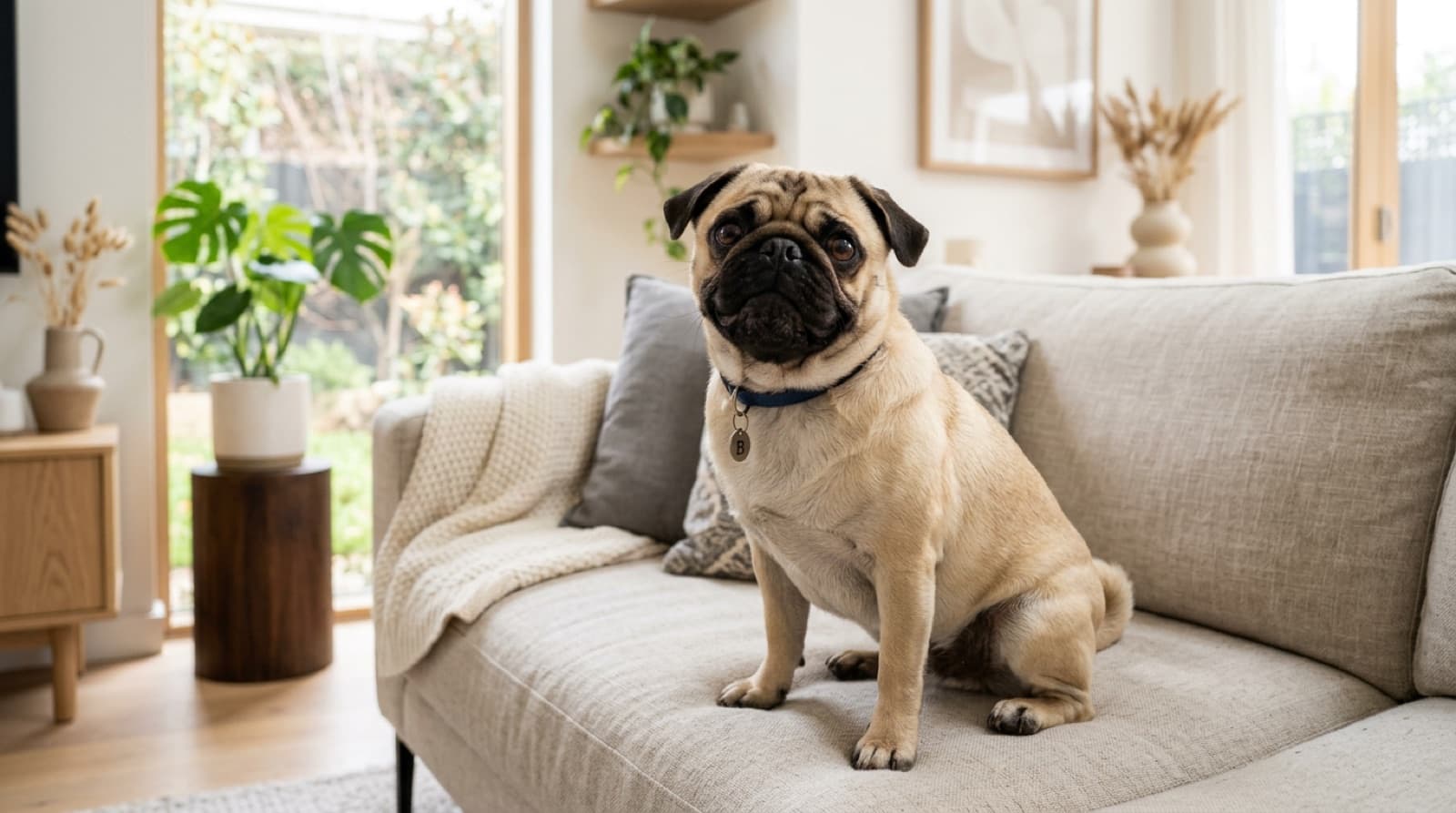
Few breeds are as instantly lovable as the Pug: a small, wrinkly, big-eyed comedian that lives to be with its people. It's a superb companion for apartments, families, and seniors alike. It's also a breed with genuine, well-documented health caveats that come with the flat face, and the kind, responsible thing is to understand them before you adopt, not after. Here's the honest picture.
Where to adopt in Montreal
A few routes, and because Pugs are popular, they and Pug mixes do turn up in rescue:
- •LocalPetFinder's Montreal dog listings, aggregating adoptable dogs from Montreal-area shelters and rescues, refreshed regularly. Search Pugs and Pug mixes.
- •The Montreal SPCA, Quebec's largest animal-protection organization.
- •Montreal-area general, small-breed, and brachycephalic-breed rescues, many foster-based, posting dogs through their websites and social media.
- •Pug and brachycephalic-breed rescue networks in Canada that sometimes cover Quebec.
Adopting an adult is especially valuable for a Pug, you can get a real sense of the dog's health, breathing, and eyes (rather than gambling on how a puppy develops), and a rescue can share what history they have. Sourcing matters more for the Pug than almost any breed: the healthiest Pugs come from responsible breeders breeding for health and moderate features, while the many poorly-bred Pugs (careless breeders, puppy mills, extreme flat faces) suffer the worst problems, so adopting also avoids supporting the breed's widespread overbreeding.
The charming companion temperament
Pugs are famously affectionate, comical, friendly, and companionable, one of the great companion breeds. They're devoted and people-oriented (they thrive on human company and don't do well left alone for long), playful and clownish (a lot of dog in a small package, with a real sense of humor), and generally good-natured and sociable with people, children, and other pets, which makes them lovely family dogs.
They're adaptable and relatively low-energy (modest exercise needs that suit apartments, but must not be over-exercised, especially in heat), a bit stubborn but eager to please (and sometimes tricky to house-train, so patient, positive, food-based training works well), and very food-motivated, which helps training but makes weight management essential (see the eye & weight-care guide). It's a wonderful companion for many households, as long as you understand the health needs and that a Pug wants to be a constant companion.
Family fit and Montreal apartments
A Pug is a lovely family dog, typically good with children and other pets (supervise young children, teach gentle handling, and note the prominent eyes are vulnerable to injury, so rough handling is a real risk). It's a companion dog that wants to be part of the family and doesn't do well isolated. And it's genuinely well-suited to apartments, small, adaptable, and low-energy, fitting much of Montreal's housing well (though it snorts, snores, and grunts, part of the brachycephalic package).
The crucial caveats are health and climate, not space. Heat is the big one: as a flat-faced breed the Pug is very heat-sensitive and prone to overheating, so Montreal summers need real care (keep cool, air conditioning, no exercise in heat, never leave it in a car), heat is genuinely dangerous for a Pug. Cold: the short coat and flat face mean it doesn't tolerate deep cold well either, so it needs a warm coat for Montreal winter walks and limited time in extreme cold. Exercise: modest and gentle, never over-exercised. Weight and companionship round out the needs (see the eye & weight-care guide).
For a Montreal individual or family, including apartment-dwellers and seniors, who wants an affectionate, comical companion and is prepared to manage the heat sensitivity, weight, breathing, and eye care and provide companionship, a Pug can be a delightful fit. The space is rarely the issue, the health management is.
The real cost
Adoption fees run ~$300 to $600 (usually covering spay/neuter, vaccinations, and microchipping), vs $2,000 to $3,500+ from a breeder. The Pug is small and cheap to feed, but its potential health costs are the real consideration: as a brachycephalic breed it's prone to breathing problems (BOAS, sometimes needing surgery), eye problems (the prominent eyes are vulnerable, and conditions may need treatment or surgery), and skin-fold issues, so vet costs can be significant and unpredictable. Budget also for good food (weight management matters), modest grooming plus regular facial-fold cleaning, a warm winter coat, and parasite prevention.
Pet insurance is especially worth it for a Pug, take it out while the dog is young and healthy (before anything becomes a pre-existing exclusion), given the breed's real potential for breathing and eye issues. Under Quebec's Civil Code (article 898.1), animals are recognized as sentient beings, not mere property. The Pug is a breed where financial preparedness (ideally including insurance) genuinely matters, more than its small size might suggest.
Browse adoptable dogs in Montreal
Adopting an adult Pug lets a rescue share the dog's health and temperament, especially valuable for a breed where health varies so much. Refreshed regularly across Montreal-area organizations.
See Available Dogs →Frequently Asked Questions
Where can I adopt a Pug in Montreal?
Start with LocalPetFinder's Montreal listings, the Montreal SPCA (spca.com), general and small/brachycephalic-breed rescues, and Canadian Pug rescue. Pugs and Pug mixes turn up fairly often. Adopting an adult lets you assess the dog's health, breathing, and eyes, especially valuable for this breed, and avoids supporting the widespread overbreeding of Pugs.
What is their temperament like?
Affectionate, comical, friendly, and adaptable, one of the great companion breeds. Devoted and people-oriented (they don't do well left alone), playful and clownish, generally good with kids and pets, relatively low-energy (suits apartments), a bit stubborn but eager to please and very food-motivated. A wonderful companion, provided you manage the health needs and give it company.
Is it a good family dog, and can it live in an apartment?
Yes to both. Lovely with families (supervise young children; the prominent eyes are injury-prone) and genuinely well-suited to Montreal apartments (small, adaptable, low-energy). The caveats are health and climate, not space: heat is dangerous (flat-faced, overheats easily), it needs a coat in deep cold, modest gentle exercise only, weight management, and companionship.
How much does it cost?
Adoption runs ~$300 to $600 (usually including spay/neuter, vaccinations, microchipping), vs $2,000 to $3,500+ from a breeder. Cheap to feed, but potential health costs (breathing/BOAS surgery, eye conditions, skin folds) are the real consideration, so pet insurance is especially worth it (enroll while young). Also budget facial-fold cleaning, a warm coat, and good food. They live ~12 to 15 years.
What should I know before adopting one?
It's a brachycephalic breed with real health realities: breathing difficulty (BOAS), dangerous heat sensitivity, vulnerable prominent eyes, skin folds, and easy weight gain. It needs companionship (don't leave it alone long), facial-fold cleaning, and sheds a lot for its size. Sourcing matters enormously; adopting an adult lets you assess health. A charming, long companion (~12 to 15 years) for a prepared owner.
Should I buy a puppy or adopt?
Consider adoption first, and it matters more for the Pug than almost any breed. Pug health depends heavily on breeding, so if you buy, only a responsible breeder breeding for health and moderate features will do (cheap or extreme-featured puppies are a serious warning sign). Adoption costs far less, lets you assess an adult's health, and avoids supporting the breed's overbreeding. Many Pugs need homes.
Related Montreal guides
Pug Health Issues
Brachycephalic breathing (BOAS), eye and skin-fold conditions, joint and neurological issues, heat risk, and the pet-insurance case.
Pug Eye Care & Weight Management
Protecting the vulnerable prominent eyes, spotting eye emergencies, and keeping a food-loving Pug lean, the two care tasks that most affect a Pug's life.
Adoptable Dogs in Montreal
All currently available dogs across Montreal-area organizations, including Pugs and Pug mixes. Updates regularly.
Montreal Dog Adoption Resources
All our Montreal dog adoption guides in one place.
New dog? Start with these care guides
Everything a new adopter needs to set up a safe, happy home.