Showing 186 dogs
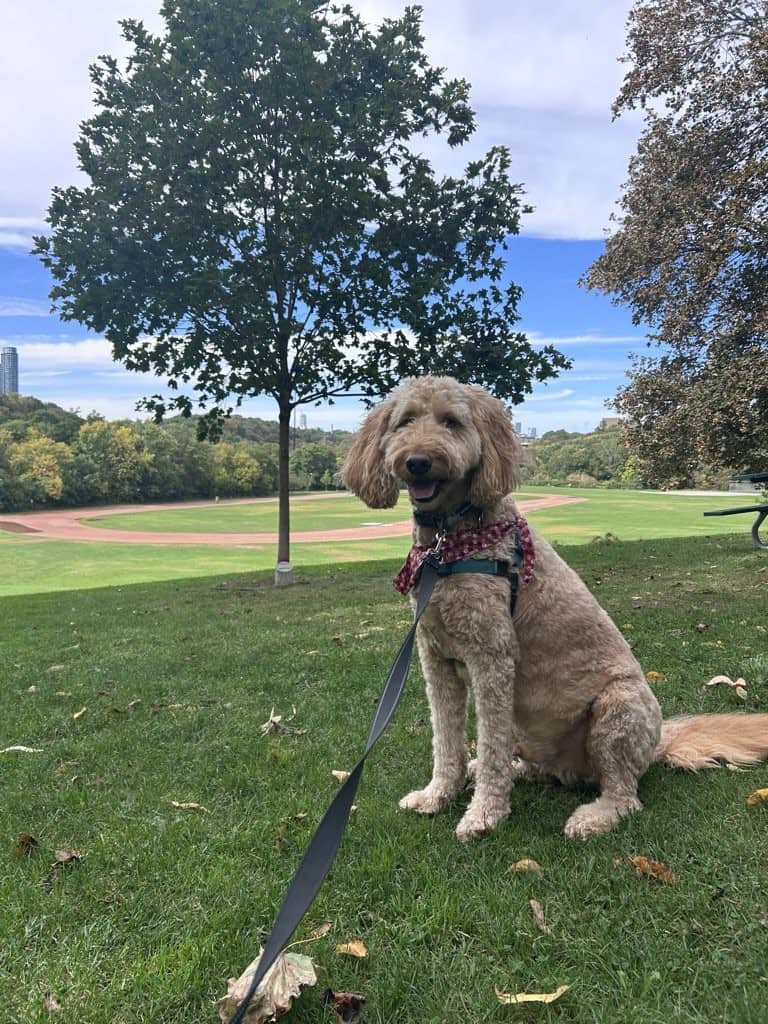
Charlie
5 years • Goldendoodle
Owner Rehoming
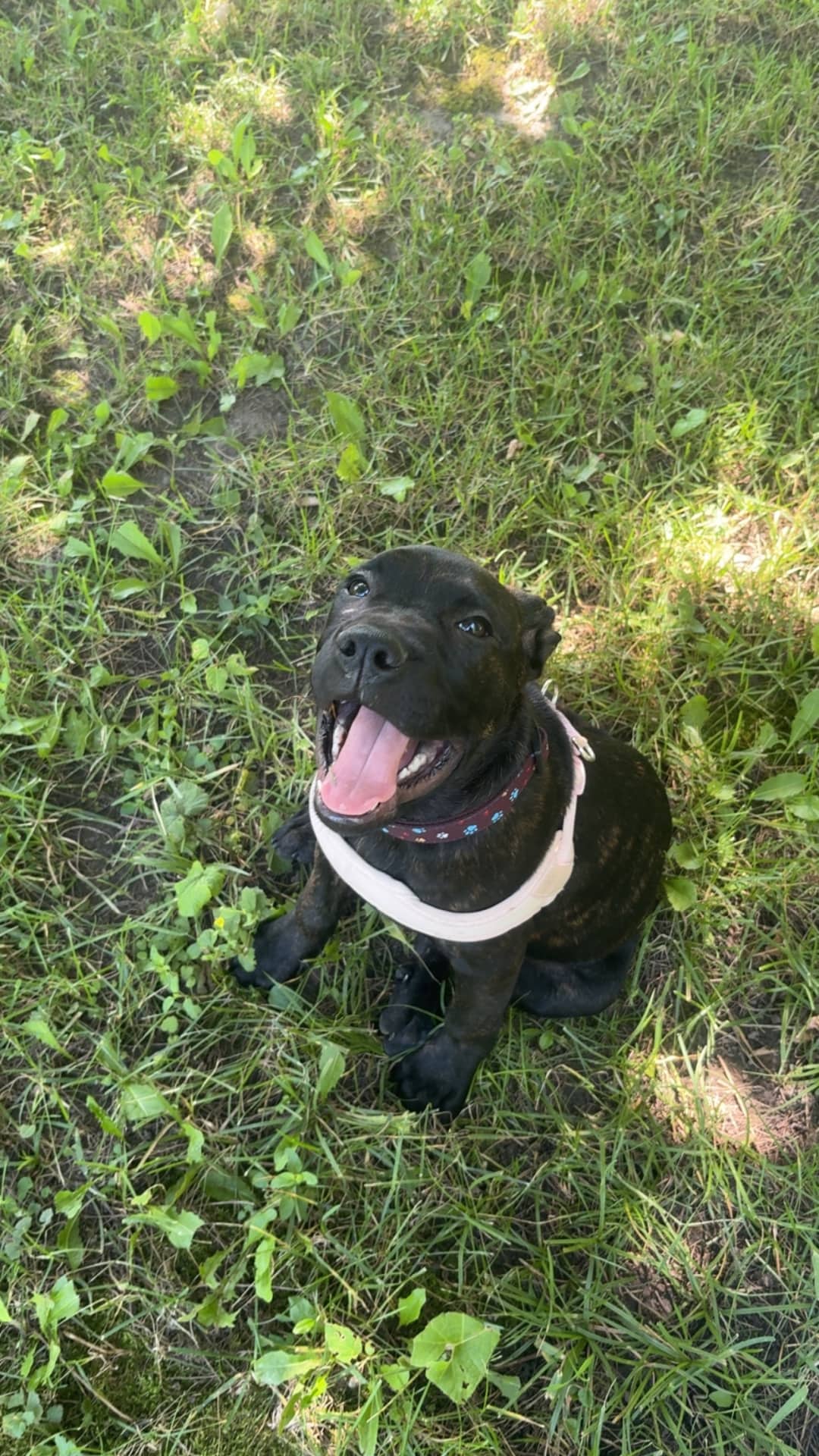
Gup
5 months • Mixed Breed
Owner Rehoming
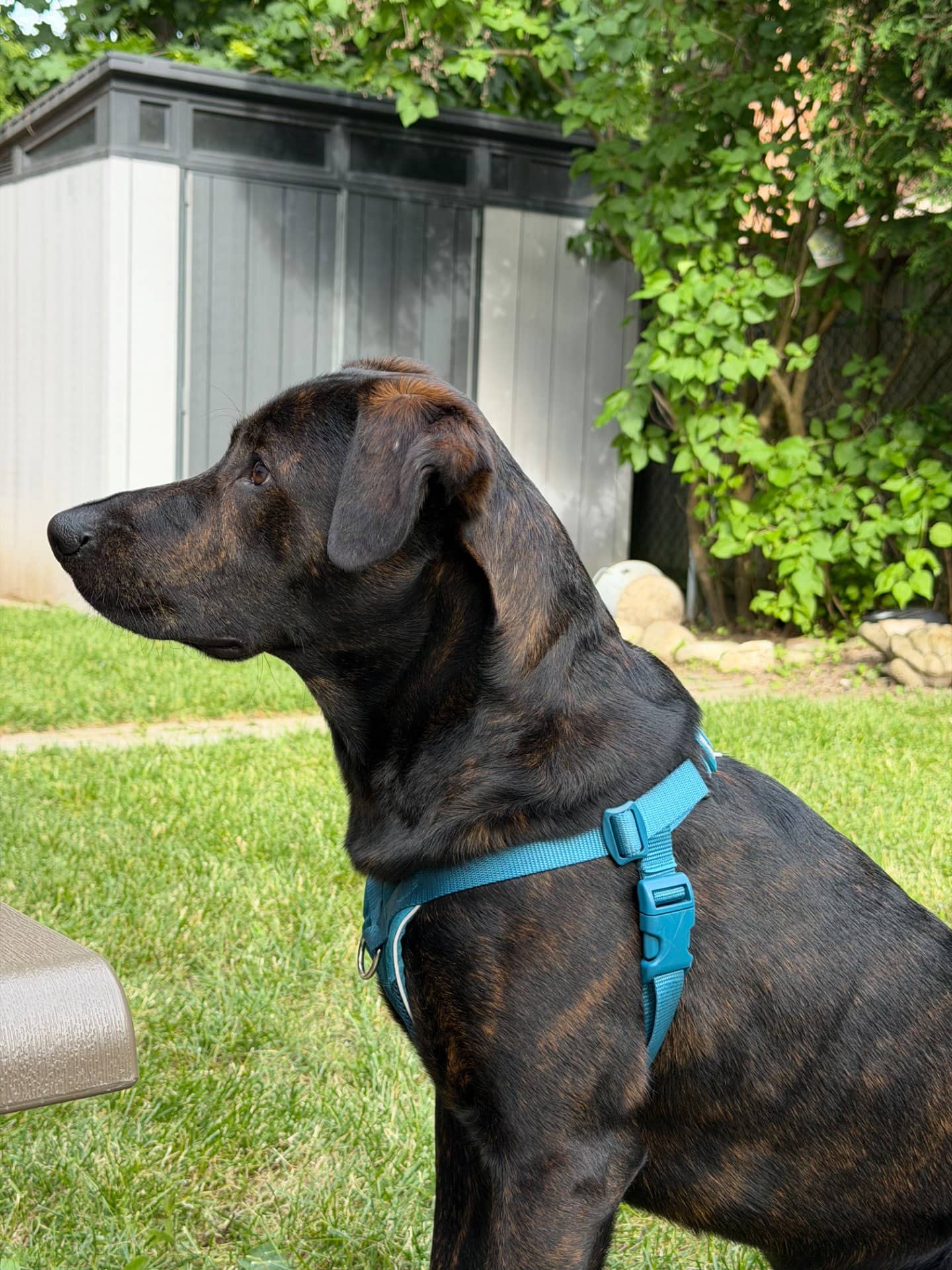
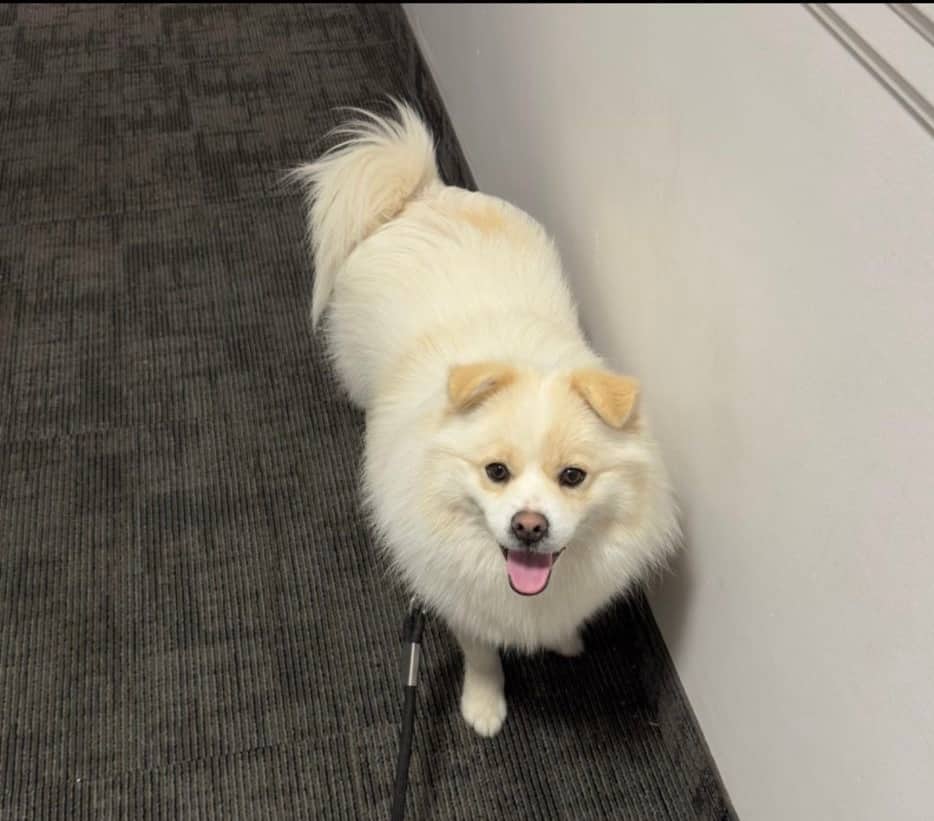
Luffy
2 years • Pomsky
Owner Rehoming
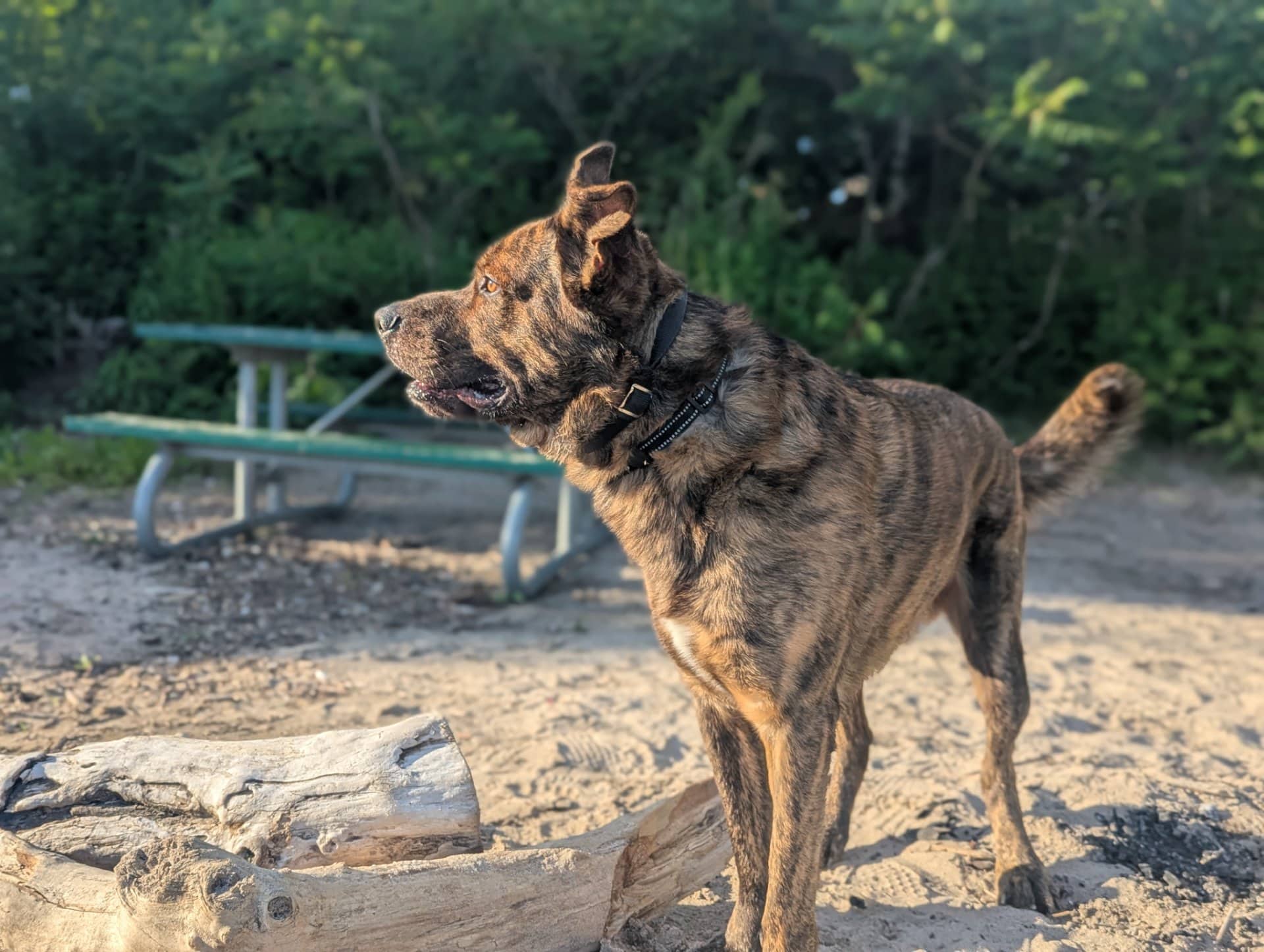
Momo
5 years • Mix
Owner Rehoming
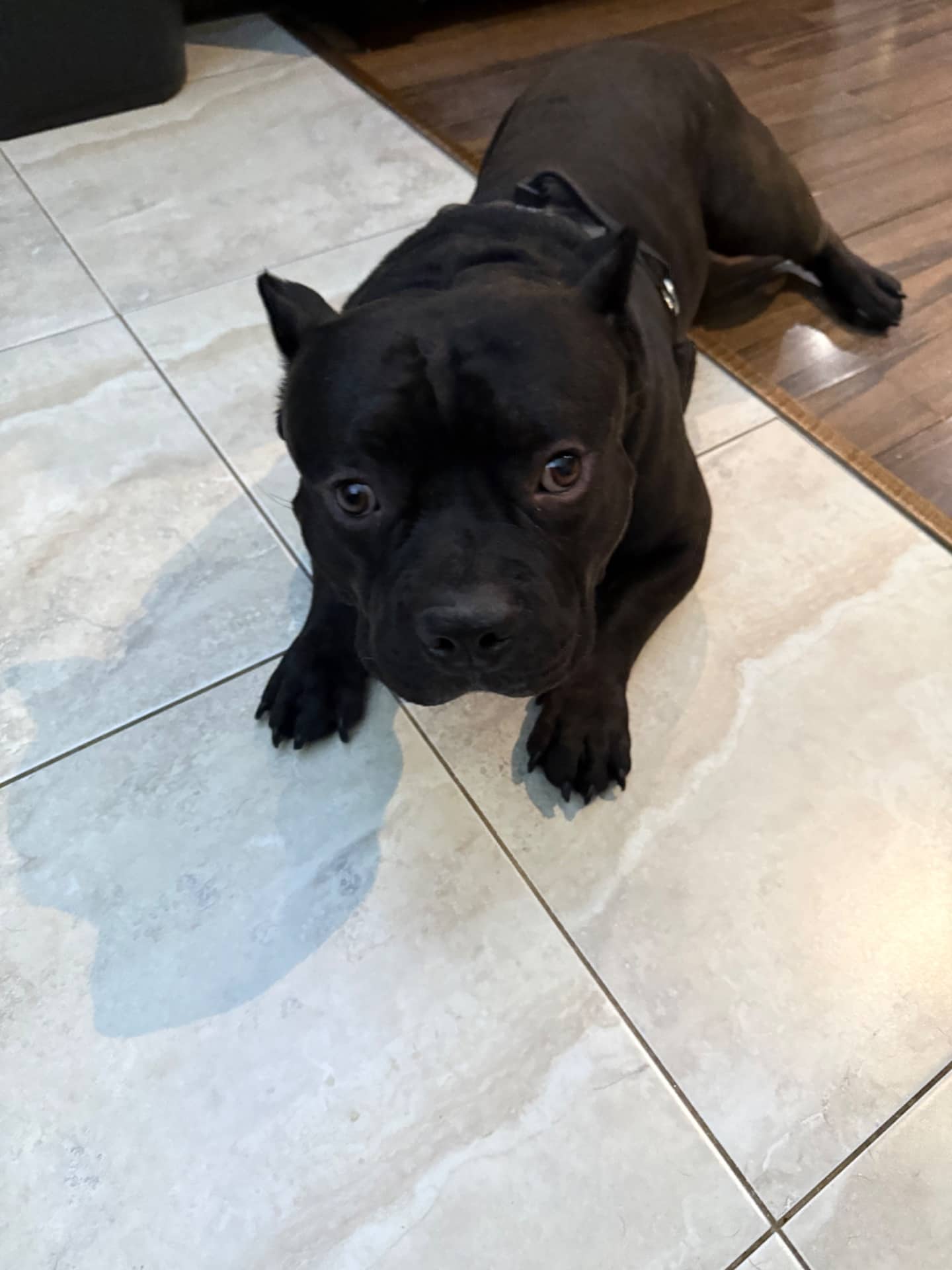
Prince
3 years • Bully mix
Owner Rehoming
Where to find mixed breed dogs for adoption in Toronto? LocalPetFinder lists 186 mixed breed dogs currently available from Toronto rescues including Toronto Humane Society and City of Toronto Animal Services. Mixed breeds dominate Toronto rescue inventory: roughly 70 to 80% of rescue dogs are some form of mix (Sheprador, Borador, Labsky, Husky/Shepherd/Lab mixes, Doodle mixes, Southern Ontario transfers, First Nations community rescue dogs, and undocumented “mutt” mixes). Listings refresh regularly.
Mixed breed dogs are the heart of Toronto rescue. They are typically healthier than purebreds (hybrid vigour means lower rates of breed-specific genetic conditions), live 1 to 2 years longer on average, and have personalities that blend traits from multiple parent breeds in unexpected, often perfect ways. They are also the dogs most likely to be overlooked at Toronto shelters because adopters arrive looking for specific breeds, which means mixed breeds are often the best-matched, most-grateful adoptions you can make.
Toronto has a particularly active mixed-breed pipeline. Toronto Humane Society on River Street is one of the largest Toronto shelters, taking in owner surrenders and stray-mom litters from the City of Toronto, plus transfers from overcrowded municipal shelters across Southern Ontario. City of Toronto Animal Services operates 3 shelters (West, North, and East) and takes the city stray and surrender intake directly. First Nations community rescue partnerships across northern Ontario contribute Husky, husky-Lab, and shepherd-mix transfers into Toronto rescues year-round. Doodle mixes appear regularly from surrender intake. Listings refresh regularly. Apply directly through the rescue when you find a match.
What is a Mixed Breed Dog?
A mixed breed dog (also called a “mutt,” “crossbreed,” or “mix”) has parents from two or more different breeds, or unknown ancestry that does not match a single breed standard. There are three categories Toronto adopters typically encounter:
- Designer mixes (intentional crosses) — two purebred parents bred together intentionally. Examples: Goldendoodle (Golden + Poodle), Labradoodle (Lab + Poodle), Cavapoo (Cavalier + Poodle), Bernedoodle (Bernese + Poodle), Sheprador (Shepherd + Lab).
- Identifiable two-breed mixes — physical traits clearly indicate two parent breeds. Examples: Borador (Border Collie + Lab), Labsky (Husky + Lab), Lab-Pit type mixes.
- Multi-generational mutts — ancestry from three or more breeds, often unknown. The most common Toronto rescue category. Includes Southern Ontario transfer mixes labelled “Shepherd mix” or “mixed breed,” First Nations community rescue dogs (often with Husky and primitive village-dog ancestry), and stray-mom litters where the father is unknown. DNA testing typically reveals 4 to 7 breeds in the average mutt.
All three categories thrive in family homes. The differences are mostly in predictability of size and temperament: designer mixes are most predictable; multi-generational mutts are the most surprising (and often the most rewarding).
Are Mixed Breed Dogs Healthier Than Purebreds?
Generally yes. Multiple veterinary studies (UC Davis, University of Edinburgh, Royal Veterinary College) find that mixed breed dogs have:
- 1 to 2 year longer average lifespan than the average for their size category
- Roughly 40% lower rates of breed-specific inherited conditions (hip dysplasia, brachycephalic syndrome, certain cancers)
- Lower lifetime veterinary costs because fewer chronic conditions means lower insurance premiums and fewer specialist visits
- Better overall genetic diversity, the “hybrid vigour” effect
The exception: mixes that combine two health-compromised breeds inherit risks from both. A Frenchton (French Bulldog + Boston Terrier) inherits brachycephalic respiratory issues from both parents. A Cavapoo can inherit syringomyelia from the Cavalier side and hip dysplasia from the Poodle side. The hybrid vigour benefit is biggest when the parent breeds have non-overlapping health profiles. Lab + Border Collie (Borador), Shepherd + Lab (Sheprador), Husky + Lab (Labsky) typically benefit; Frenchie + Pug (Frug) typically does not.
The foster-evaluated or shelter-evaluated personality of a mixed breed dog matters more than the breed label in most cases. Toronto Humane Society and City of Toronto Animal Services typically assess dogs before listing, and those assessment notes tell you more about the dog than a guessed breed label.
Ontario DOLA & Mixed Breed Visual Identification
The Ontario Dog Owners Liability Act (DOLA, S.O. 2005 Ch. 5) bans Pit Bulls in Ontario but grandfathers in dogs born before August 29, 2005. For mixed-breed adopters, the most important DOLA reality is that enforcement is based on visual identification by animal services or police, not DNA. A dog that looks Pit Bull-type can be impounded even if DNA evidence later shows minimal Pit Bull ancestry.
What this means for Toronto mixed-breed adoption:
- Toronto Humane Society and City of Toronto Animal Services label dogs carefully. Any dog labelled “Pit Bull mix,” “Bully mix,” or “American Bulldog mix” deserves a direct conversation about DOLA exposure.
- Many bully-type Toronto rescue dogs are primarily other breeds on DNA testing. Mastiff, Boxer, American Bulldog, Lab, and Staffordshire Bull Terrier mixes all look superficially Pit Bull-type to the untrained eye. American Staffordshire Terriers and Staffordshire Bull Terriers are restricted under DOLA; English Bulldogs, French Bulldogs, Boxers, and Mastiffs are not.
- Request written documentation from the rescue confirming the dog's breed assessment if you are adopting a bully-type mix. Some Toronto adopters carry DNA test results with them in case of an animal services question.
- Landlords and condo boards in Toronto sometimes enforce breed restrictions stricter than DOLA. Check your lease or condo declaration before applying.
The Toronto rescues are aware of this reality and place bully-type mixes carefully into homes where the adopter understands the legal landscape. The risk of misidentification is real but manageable with documentation.
Most Common Mixed Breed Dogs in Toronto Rescues
Based on actual Toronto rescue intake patterns, these mix categories dominate the inventory:
Shepherd Mixes
Sheprador (Shepherd + Lab), Shollie (Shepherd + Border Collie), Shepsky (Shepherd + Husky), Shepweiler. The most common Toronto rescue category. Browse our Shepherd Mix page.
Husky Mixes
From First Nations community rescue partnerships across northern Ontario. Labsky, Pomsky (Husky + Pomeranian), Gerberian Shepsky (Husky + Shepherd). Husky mixes typically inherit a softened version of the Husky drive. See Husky page.
Lab Mixes
Borador (Border Collie + Lab) is the smartest Lab mix; Labsky (Husky + Lab) the most independent; Lab-Pit type mixes the most affectionate. See our Lab page.
Bully-type Mixes
Labelled “Pit Bull Terrier Mix,” “Bully mix,” or “American Bulldog mix.” DOLA visual-identification rules apply. DNA testing often reveals primary Mastiff, Boxer, American Bulldog, or Lab ancestry. See our bully breed page.
Cattle Dog & Heeler Mixes
Border Heeler (Border Collie + Cattle Dog), Texas Heeler (Cattle Dog + Aussie). Rural Ontario surrender pattern. High-energy working dogs needing 60+ min daily exercise.
Doodle Mixes
Cavapoo, Cockapoo, Goldendoodle, Bernedoodle, Aussiedoodle. Lower-shedding designer mixes. Less common in rescues but appear regularly through owner surrenders. See Goldendoodle page.
Northern Ontario Mixes
First Nations community rescue partnerships transport Husky, Lab, and primitive village-dog mixes from northern Ontario reserves into Toronto rescues. Typically medium-sized (35 to 60 lbs), athletic, and adaptable.
Small Mixes
Chiweenie (Chihuahua + Dachshund), Maltipoo (Maltese + Poodle), Yorkipoo (Yorkie + Poodle), Pomchi (Pomeranian + Chihuahua). Apartment-friendly, ideal for Toronto condo living. See our Toronto small dogs page.
DNA Testing Your Mixed Breed Rescue Dog
DNA testing reveals your mixed breed dog's genetic ancestry, identifies breed-specific health risks to monitor, and gives context for behaviour patterns. Top options for Toronto adopters:
- Embark Breed + Health Kit ($159 USD) — the most accurate and comprehensive. Tests 250+ genetic conditions plus full breed identification. Saliva swab; results in 2 to 4 weeks. Ships to Toronto.
- Wisdom Panel Premium ($130 USD) — broader breed database than Embark, includes 200+ health tests, slightly less accurate on rarer breeds.
- DNA My Dog ($90) — budget option, breed identification only (no health testing). Less accurate than Embark or Wisdom Panel but reasonable for casual curiosity.
- Vet-arranged testing — some Toronto vets offer in-clinic DNA tests at similar prices to mail-in kits, with the benefit of the vet integrating results into your dog's health record.
Two Toronto-specific reasons to DNA test. First, the DOLA visual-identification reality means written documentation of breed ancestry can protect a bully-type mix from misidentification at city animal services. Second, the First Nations community rescue dogs often come back with significant primitive village-dog and northern breed ancestry that helps explain their working drive, prey instinct, and weather tolerance.
Mixed Breed Adoption Costs in Toronto
Toronto mixed breed adoption fees typically run $300 to $650 through Toronto Humane Society and City of Toronto Animal Services. Senior mixed breed dogs often have reduced fees ($150 to $300). All fees include spay/neuter, vaccinations, microchip, and basic vet workup ($800 to $1,400 retail value). City of Toronto Animal Services also includes the first year of the Toronto dog licence ($25 fixed or $60 intact).
Long-term cost advantage: mixed breeds are typically cheaper to insure and have lower lifetime vet costs because they have fewer breed-specific inherited conditions. Annual ownership costs run $1,800 to $3,500 in Toronto depending on size (Toronto vet and boarding rates run slightly above the Ontario average), but mixes often run lower than the average for their size due to fewer chronic conditions.
Top Toronto Rescues for Mixed Breed Dogs
Toronto rescue inventory is heavily mixed-breed: roughly 70 to 80% of any rescue's inventory at any given time. The two main intake organisations:
- Toronto Humane Society (River Street) — one of the largest Toronto shelters. Owner surrenders, stray-mom litters from the City of Toronto, plus transfers from overcrowded Southern Ontario municipal shelters. Typically assesses dogs before listing. Strong consistent mixed-breed inventory across all sizes.
- City of Toronto Animal Services — 3 shelters (West, North, and East) covering the city. Direct stray and surrender intake. First Nations community rescue partnerships across northern Ontario contribute Husky and northern-mix transfers year-round.
- Smaller GTA foster-based rescues — many smaller foster networks across Mississauga, Brampton, Markham, Vaughan, Richmond Hill, and Oakville rotate mixed breed inventory through detailed foster placements. These rescues often complement Toronto Humane Society and City of Toronto Animal Services with detailed foster-home temperament notes.
For the live current list across all Toronto-area rescues, browse the dogs above.
Mixed Breed Dog Adoption FAQ (Toronto)
Where can I adopt a mixed-breed dog near me in Toronto?▼
LocalPetFinder lists 186 mixed breed dogs currently available from Toronto rescues including Toronto Humane Society and City of Toronto Animal Services. Mixed breeds dominate Toronto rescue inventory: most rescue dogs are some form of mix. Southern Ontario municipal transfers and First Nations community rescue partnerships are the most distinctive Toronto-area mixed-breed pipelines. GTA adopters from Mississauga, Brampton, Markham, Vaughan, Richmond Hill, and Oakville also pull from these Toronto rescues. Listings update regularly.
Are mixed-breed dogs healthier than purebreds?▼
Generally yes, due to “hybrid vigour.” Mixed breed dogs benefit from a wider gene pool and lower rates of breed-specific genetic conditions. Studies suggest mixed breeds live 1 to 2 years longer on average and have roughly 40% lower rates of inherited conditions. The exception: mixes that combine two health-compromised breeds (e.g., Frenchton = French Bulldog + Boston Terrier) inherit risks from both. This is a tendency, not an absolute, so a foster-evaluated personality and a vet workup matter more than the breed label.
Will Ontario DOLA affect my mixed-breed adoption if it looks Pit Bull?▼
It can. The Ontario Dog Owners Liability Act (DOLA, S.O. 2005 Ch. 5) bans Pit Bulls but grandfathers in dogs born before August 29, 2005. Enforcement is on visual identification by animal services or police, not DNA, so a dog that looks Pit Bull-type can be impounded even if DNA shows minimal Pit Bull ancestry. Toronto Humane Society and City of Toronto Animal Services label dogs carefully. If you adopt a dog labelled “Pit Bull mix,” “Bully mix,” or “American Bulldog mix,” ask the rescue directly about DOLA exposure and request written documentation. Many bully-type Toronto rescue dogs are primarily Mastiff, Boxer, American Bulldog, or Lab on DNA testing, but the visual misidentification risk is real and worth understanding before adopting.
How do I find out what breeds my Toronto rescue dog actually is?▼
DNA tests are the only definitive answer. Embark Breed + Health Kit ($159 USD) is the most accurate, with 250+ genetic conditions plus full breed identification. Wisdom Panel Premium ($130 USD) has a broader breed database. DNA My Dog ($90) is the budget option, breed-only. All ship to Toronto; results take 2 to 4 weeks. Most Toronto adopters who DNA test report being surprised: rescue labels like “Shepherd mix” or “Pit Bull Terrier Mix” are usually visual best-guesses, and the dog often turns out to be primarily a different breed combination. Toronto Humane Society and City of Toronto Animal Services use experienced staff for breed assessments, but a DNA test gives you the definitive answer.
Are these mixed breed dogs for sale in Toronto?▼
Not for sale, for adoption, and for most people that is the better deal. Every dog listed here comes from a Toronto-area rescue or shelter rather than a breeder, pet store or classified seller. The adoption fee is typically a few hundred dollars and already covers spay or neuter, vaccinations, deworming and a microchip, which on their own would usually cost more than the fee. If you searched "mixed breed dogs for sale toronto", this is the same search done a cheaper way, with a dog someone has already examined and can tell you about.
Where can I buy a mixed breed dog in Toronto, and should I?▼
You can buy from a registered breeder, and it is worth pricing against adoption before you do. A breeder puppy generally runs well into four figures and often comes with a waitlist, while a rescue dog costs a few hundred dollars fully vetted and may be available this week. The listings to be careful with are the cheap ones on classified sites and marketplaces, which are frequently backyard breeders or puppy-mill resellers moving unvetted animals with no health guarantee. If you do buy, insist on seeing where the litter was raised and getting vet records.
Are there free mixed breed dogs in Toronto, or mixed breed dogs under $500?▼
Adoption is the closest honest answer and it is not free. A rescue dog in Toronto usually costs a few hundred dollars. The fee already covers medical work worth considerably more. Genuinely free listings deserve suspicion: a dog advertised free to a good home has usually not been vetted, and free rehoming ads are the route flippers and unregistered breeders use to move animals with no recourse for the buyer. Reduced-fee events, sponsored long-stay dogs and senior discounts are the legitimate ways the price comes down.
Are there mixed breed puppies in Toronto, or mostly adults?▼
Both, but adults outnumber puppies and it is worth knowing that before you start. Most dogs arriving in Toronto rescue are adolescents and adults, because that is the stage at which first homes tend to give up. Puppies do come through, usually as accidental litters or with a surrendered mother, and they are typically spoken for quickly, so an alert beats refreshing the page. It is also worth asking whether you want one: an adult arrives with a temperament a foster has already lived with and can describe, where a puppy is a prediction.
Where can I find mixed breed dogs near me in Toronto?▼
Start with the listings on this page, which pull from Toronto rescues and shelters and refresh regularly, so what you see is genuinely available rather than a directory that went stale months ago. If nothing suits today, check back or set an alert, because mixed breed dogs in particular move fast and the list turns over. It is also worth widening slightly beyond the city, since most rescues serving Toronto will adopt across a reasonable driving distance rather than only within municipal limits.