The short answer
You can adopt a Berner in Toronto, but purebreds are uncommon and go fast, so set up alerts and stay flexible. Bernedoodles and Berner mixes are far more available and just as gentle. Fees run roughly $150 to $700, a fraction of a breeder Berner. Two honest realities to sit with first: the breed is short-lived (commonly seven to ten years, with a high cancer rate), and humid Toronto summers are hard on a thick-coated dog. An adult is both the easier and the more attainable adoption. Browse adoptable Toronto dogs to start watching.
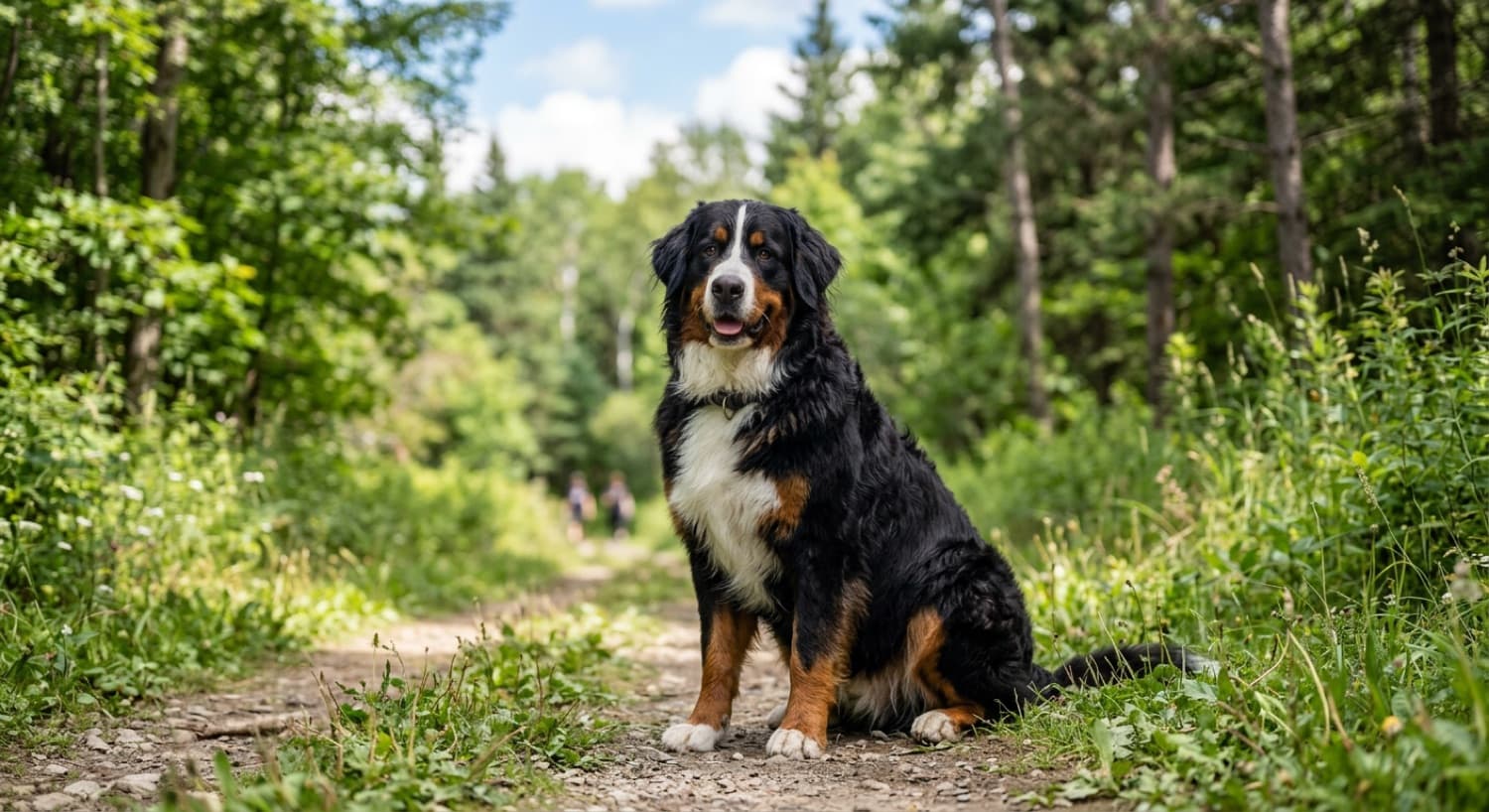
Why Berners are uncommon in Toronto rescue
It is a demand problem layered on a hard biological one. The Canadian Kennel Club breed profile describes the consistent, dependable, deeply family-bonded temperament that makes Berners so sought after. That reputation is exactly why any Berner in rescue is placed within days, often before the listing spreads on social media. If you are not on alerts and ready to apply the same day, the dog is usually gone before you see it.
The second reason is the one people find hard to hear. Berners are one of the shorter-lived breeds, commonly living only about seven to ten years, with a high lifetime rate of cancer. Many owners who might otherwise surrender an older dog instead make end-of-life decisions with their vet. The full picture belongs in our Berner health guide, but you should know it plainly before you start: adopting this breed means signing up for a shorter arc than most large dogs, and the surrenders that do reach rescue tend to be adults whose owners hit a medical wall or a life change.
Put those two forces together and the supply is thin and unpredictable. Unlike Labs or Shepherds, where rescue inventory is steady, a Berner reaching rescue is an event, driven by a specific cancer diagnosis, a costly surgery, or a senior owner moving into care. You cannot plan around when one will come up. You can only be ready.
Where to look in Toronto
No single Toronto rescue reliably has Berners, so the strategy is to watch several and move fast. Set alerts on all of them and check listings daily. Most rescue dogs here come through foster homes, which means you get honest temperament notes on each dog before you commit.
City of Toronto Animal Services
The municipal shelters occasionally take in a Berner or Berner mix as a stray or owner surrender. Fees are the lowest around, roughly $150 to $350, but the dog can be listed and adopted the same day, so daily checking wins here.
Toronto Humane Society
A large, well-resourced shelter with a steady intake. Pure Berners are rare, but large-breed surrenders and Berner mixes come through, and their behaviour notes and post-adoption support are strong.
Foster-based rescues
Save Our Scruff, TEAM Dog Rescue, Fetch + Releash, Redemption Paws, and Hopeful Tails all pull large dogs and mixes, sometimes including a Berner cross or a Bernedoodle. Foster-based groups give the most detailed temperament reports and often offer a trial or foster-to-adopt path, which is the smartest way to test fit for a big breed.
A Bernese or large-breed-specific rescue
Breed-specific and large-breed rescues occasionally coordinate placements in southern Ontario. These dogs rarely hit public listings, so getting on a waitlist or contact list early is worth doing if a purebred Berner is what you truly want. Expect thorough vetting and a longer wait.
Adoption fees vs breeder pricing
Berners are one of the most expensive purebreds in Canada. Rescue is a fraction of the upfront cost of a breeder puppy, with the added benefit of a known adult temperament and an existing vet workup. The bigger number to plan around is lifetime cost, which our Toronto adoption cost guide breaks down for a large, coat-heavy dog.
| Source | Price Range | What is included |
|---|---|---|
| City of Toronto Animal Services | $150 to $350 | Spay or neuter, core vaccines, microchip, behaviour notes |
| Toronto rescues and Humane Society | $200 to $700 | Spay or neuter, vaccines, microchip, foster temperament report |
| Registered breeder puppy | Several thousand dollars | First vaccines, deworming, microchip, health-tested parents, contract, one to two year waitlist |
Why owners surrender Berners
Knowing why Berners reach rescue helps you anticipate what the dog you adopt may be carrying. Three patterns dominate.
Health cost overwhelm
The breed carries a high cancer rate and a real risk of hip and elbow problems, and treatment for either can run into many thousands of dollars. Some families surrender mid-treatment when funds run out. Others cannot fund a needed surgery and rehome a dog who does well on conservative management in a financially prepared home. We cover the medical side in the Berner health guide, and low-cost options in our Toronto low-cost vet guide.
Owner life changes
Berners are a favourite of retirees. When an owner moves into assisted living or passes away, the dog needs a new home. These are often the healthiest and most adoptable rescue Berners, well loved and well vetted, but they come pre-loaded with grief and may need eight to twelve weeks to settle.
Grooming and shedding shock
First-time large-breed owners underestimate the heavy twice-yearly coat blow, the daily hair on every surface, and the moderate drool. Surrender within the first year or two is common, and the dogs are usually young, healthy, and well socialised. If you can live a vacuum-every-day life, these are excellent placements. Our Berner grooming and shedding guide covers the day-to-day reality.
The Toronto climate reality
This is a thick-coated Swiss mountain breed, which shapes how it lives in Toronto. Winter is the easy season. A cold January is a non-issue for a healthy Berner, and many of them are happiest in the snow. If anything, they want more outdoor time in the cold, not less. Our Toronto winter dog care guide still applies for paws and salted sidewalks.
Summer is the season that needs real management. Humid Toronto heat is genuinely hard on a heavy double-coated dog, and a Berner can overheat faster than a short-coated breed. Shift walks to early morning and late evening, carry water, seek shade, and use air conditioning on the worst days. Never leave a Berner in a hot car, and skip hard exercise when a humidex warning is in effect. Heat awareness is not optional with this breed here. It is part of the daily job from June through September.
Adult vs puppy, and why an adult wins
For almost every Toronto home, an adult Berner is the better choice, and with this breed an adult is also far more available. Puppies are almost never in rescue, and a purebred puppy from a breeder means a long waitlist and several thousand dollars. A Berner puppy is also a lot of dog to raise, with size, energy, and grooming demands running right through a long adolescence, and the full uncertainty of a breed with real health risks.
An adult rescue Berner arrives with a known temperament and energy level. A foster can tell you how the dog does with children, cats, and other dogs, and you skip the raising-a-giant-puppy stage entirely. Given the breed's short lifespan, an adult also means you are choosing a dog whose personality and needs are already visible rather than gambling on how a puppy will turn out. Many adopters who started out set on a puppy end up with an adult and say it was the right call.
If a purebred Berner never materialises, widen the search to Bernedoodles and Berner crosses. They carry much of the same gentle, family-bonded temperament, turn up in rescue more often, and in some cases come with a slightly different coat and a longer expected lifespan.
Browse adoptable Bernese Mountain Dogs in Toronto
Live listings from Toronto shelters and rescues, refreshed regularly. Purebred Berners are uncommon, but Bernedoodles and Berner mixes show up more often. Set an alert and you will see new listings before they spread.
See Available Bernese Mountain Dogs →Frequently Asked Questions
Can you adopt a Bernese Mountain Dog in Toronto?
Yes, but you will need patience and flexibility. Purebred Berners are uncommon in Ontario rescue and get adopted within days when they do appear, so the realistic path is alerts plus an open mind toward Berner mixes and Bernedoodles, which show up more often. Watch the City of Toronto Animal Services, the Toronto Humane Society, and foster-based rescues like Save Our Scruff, TEAM Dog Rescue, Fetch + Releash, Redemption Paws, and Hopeful Tails, and keep an eye out for a Bernese or large-breed-specific rescue that occasionally has one. LocalPetFinder aggregates adoptable Toronto dogs in one place so you can watch for a Berner or a mix.
Why are Bernese Mountain Dogs uncommon in Toronto rescue?
Two reasons. Demand is very high because the breed is famous, gentle, and photogenic, so any Berner that reaches rescue is placed almost immediately. And the lifespan is short. Berners commonly live only about seven to ten years, one of the shorter-lived breeds, with a high rate of cancer, so many owners of an older dog make end-of-life decisions with their vet rather than surrendering. The result is that most Toronto rescues see very few Berners in a year, and the ones they do see are usually adult surrenders.
How much does it cost to adopt a Bernese Mountain Dog in Toronto?
Adoption fees follow the usual Toronto ranges: roughly $150 to $350 at the City of Toronto Animal Services and $200 to $700 at rescues, almost always including spay or neuter, vaccines, and a microchip. That is a fraction of a breeder Berner, which runs well into the thousands in Ontario. Beyond the fee, a Berner is a big, coat-heavy dog with real grooming and vet costs, so budget for the life of the dog, not just the adoption day.
Why do people surrender Bernese Mountain Dogs?
A few patterns dominate. Health cost overwhelm is the big one, since the breed carries a high cancer rate and is prone to expensive hip and elbow problems. Owner life changes matter too, because Berners are a favourite of retirees, and when health changes or an owner passes away the dog needs a new home. And some first-time owners underestimate the grooming, the heavy twice-yearly coat blow, and the drool, and rehome a young dog within the first year or two. Most Berner surrenders are adults, not puppies.
Can I find Bernese Mountain Dog puppies for adoption in Toronto?
Almost never. Berner puppies under a year are rare in any Canadian rescue, and when they do appear they are placed within days. Most rescue Berners are adults. If you specifically want a puppy you are looking at a registered breeder waitlist that runs one to two years and several thousand dollars. Many adopters who started out wanting a puppy end up with an adult Berner and never regret it, because an adult comes with a known temperament, often some basic training, and a documented health history.
Are Bernese Mountain Dogs good in Toronto's climate?
Winter is their comfort zone. This is a thick-coated Swiss mountain breed, and a cold Toronto January is a non-issue for a healthy Berner. The harder season is summer. Humid Toronto heat is genuinely hard on a heavy double-coated dog, so plan for early-morning and late-evening walks, shade and water, and air conditioning on the worst days. Never leave a Berner in a hot car or push exercise through a humidex warning. Heat management is a real part of owning this breed here.
Should I adopt an adult Berner or a puppy?
For almost every Toronto home, an adult, and with this breed an adult is also far more available. A Berner puppy is a lot of size, energy, and grooming through a long adolescence, plus the full uncertainty of a breed with real health risks. An adult rescue Berner's temperament and energy are already known, a foster can tell you how they do with kids and other pets, and you skip the raising-a-giant-puppy stage entirely. An adult is both the easier and the more attainable adoption.
What about Bernedoodles and Berner mixes?
They are your best odds. Purebred Berners are scarce in rescue, but Bernedoodles (Bernese crossed with Poodle) and Berner crosses like Bernese-Lab turn up more often, frequently as young dogs rehomed when a family underestimated the size or energy. Many carry the same sweet, family-bonded temperament. A mix can also mean a slightly different coat and, in some cases, a longer expected lifespan than a purebred Berner. If the gentle-giant personality is what you are after, do not rule out the mixes.
Bernese Mountain Dog Health Issues: Cancer, Joints
Bernese Mountain Dog health issues to plan for: histiocytic sarcoma and other cancers, hip and elbow dysplasia, degenerative myelopathy, bloat and epilepsy.
How to Groom a Bernese Mountain Dog
A Bernese Mountain Dog grooming guide: why you never shave, the feathering that mats, the size-driven brush-out, keeping the white markings clean, and cost.
First Week With a Rescue Dog
The 3-3-3 decompression window and how to settle a newly adopted dog in Toronto.
How to Adopt a Dog in Toronto
The full step-by-step adoption process, from application to take-home day.
New dog? Start with these care guides
Everything a new adopter needs to set up a safe, happy home.