1 Boxer puppy available in Saskatchewan
Under a year old, listed by rescues and shelters. Updated as shelters publish.
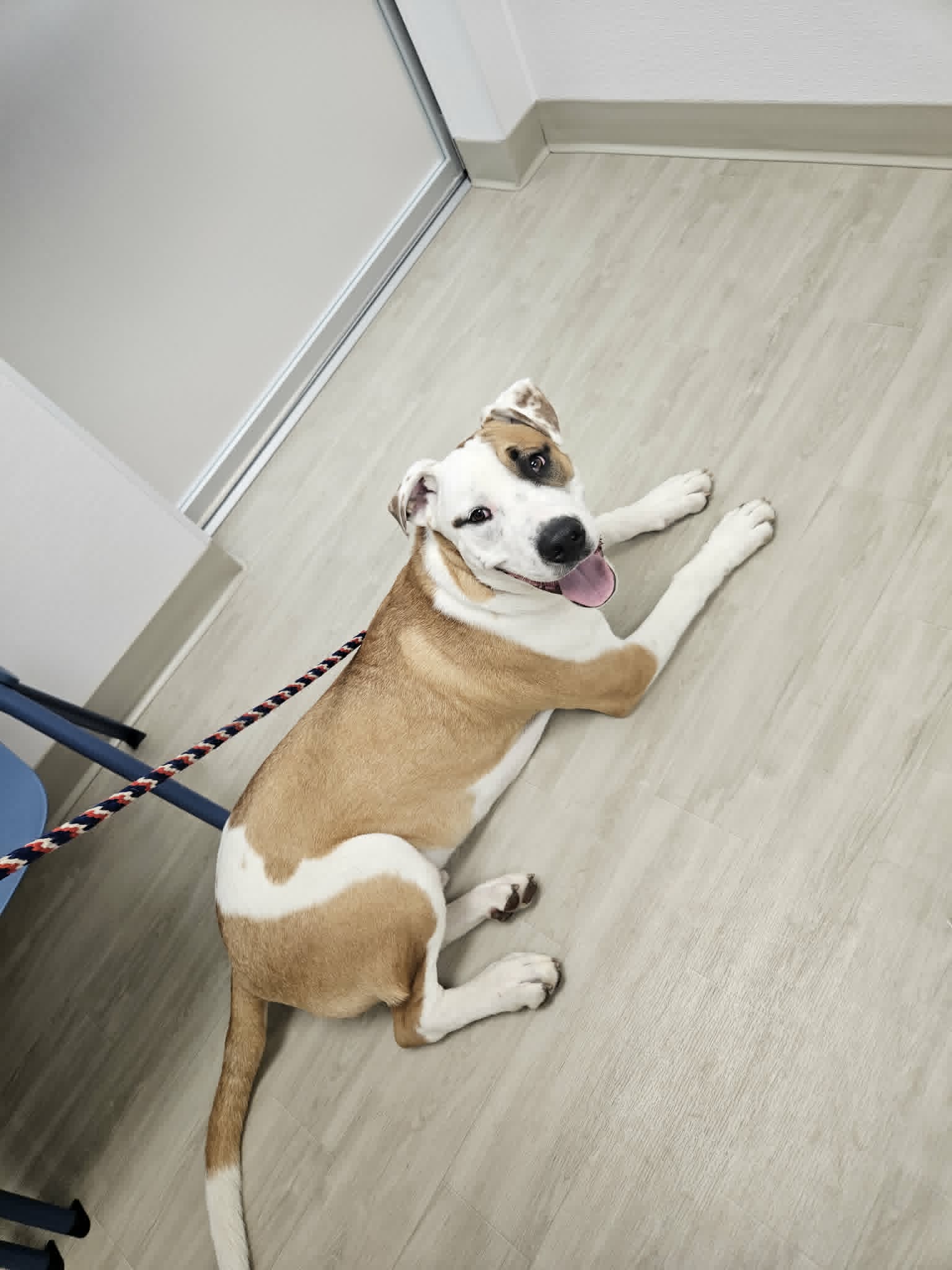
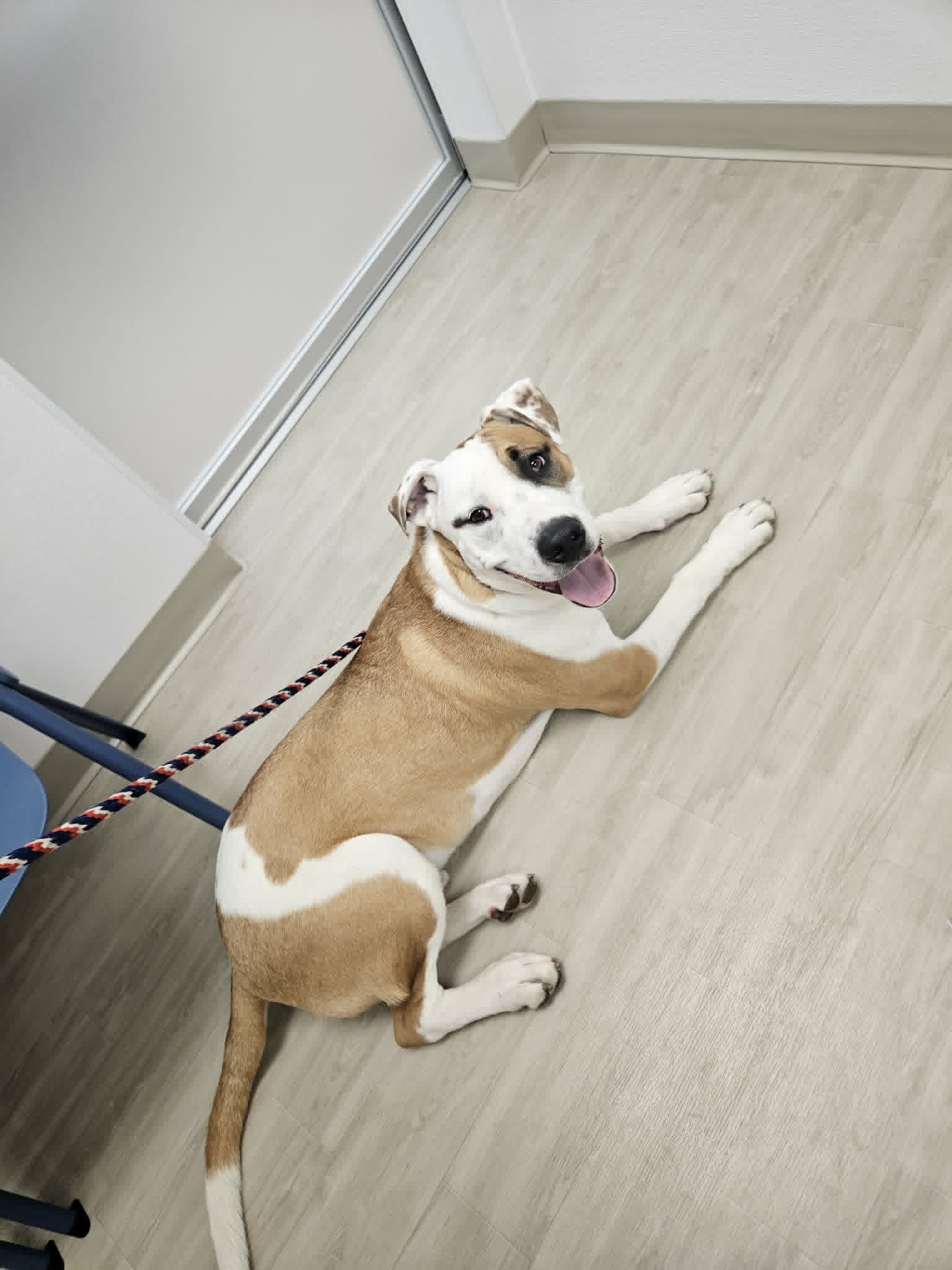
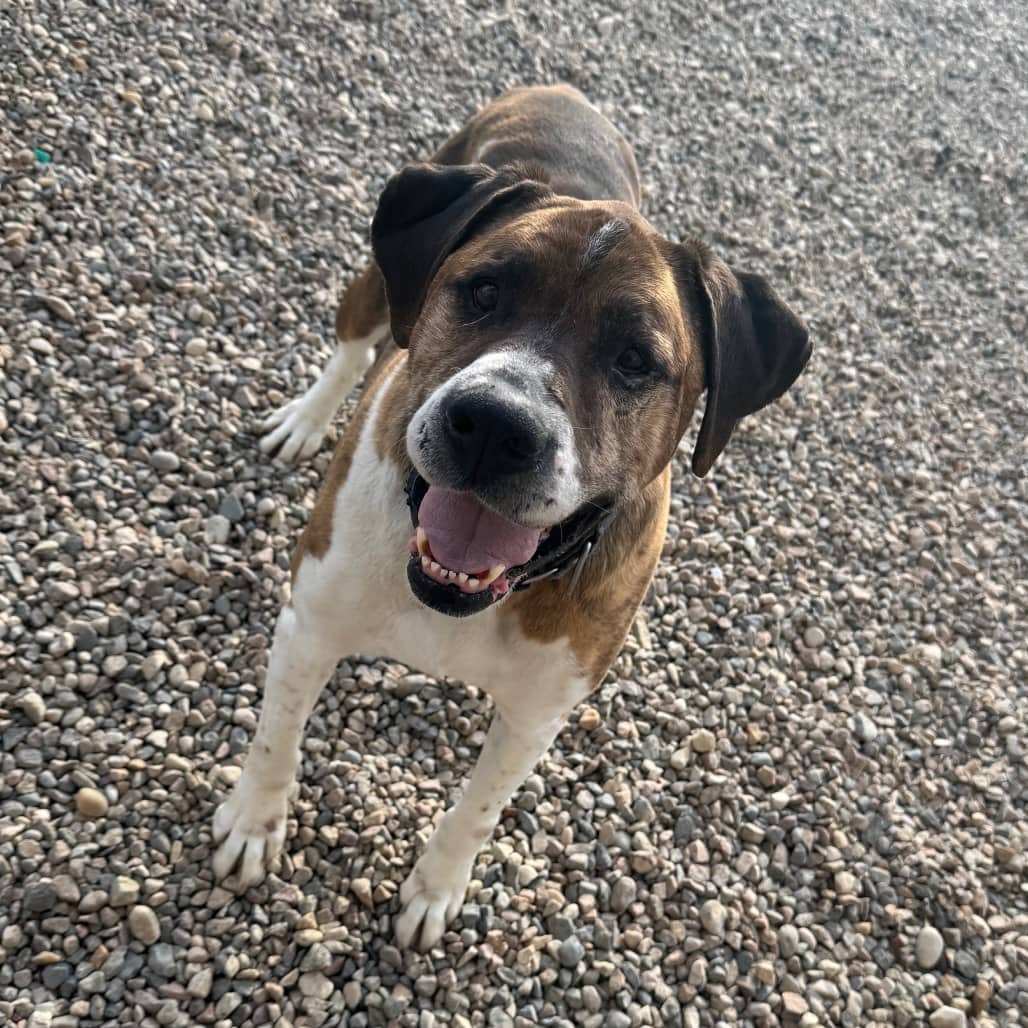
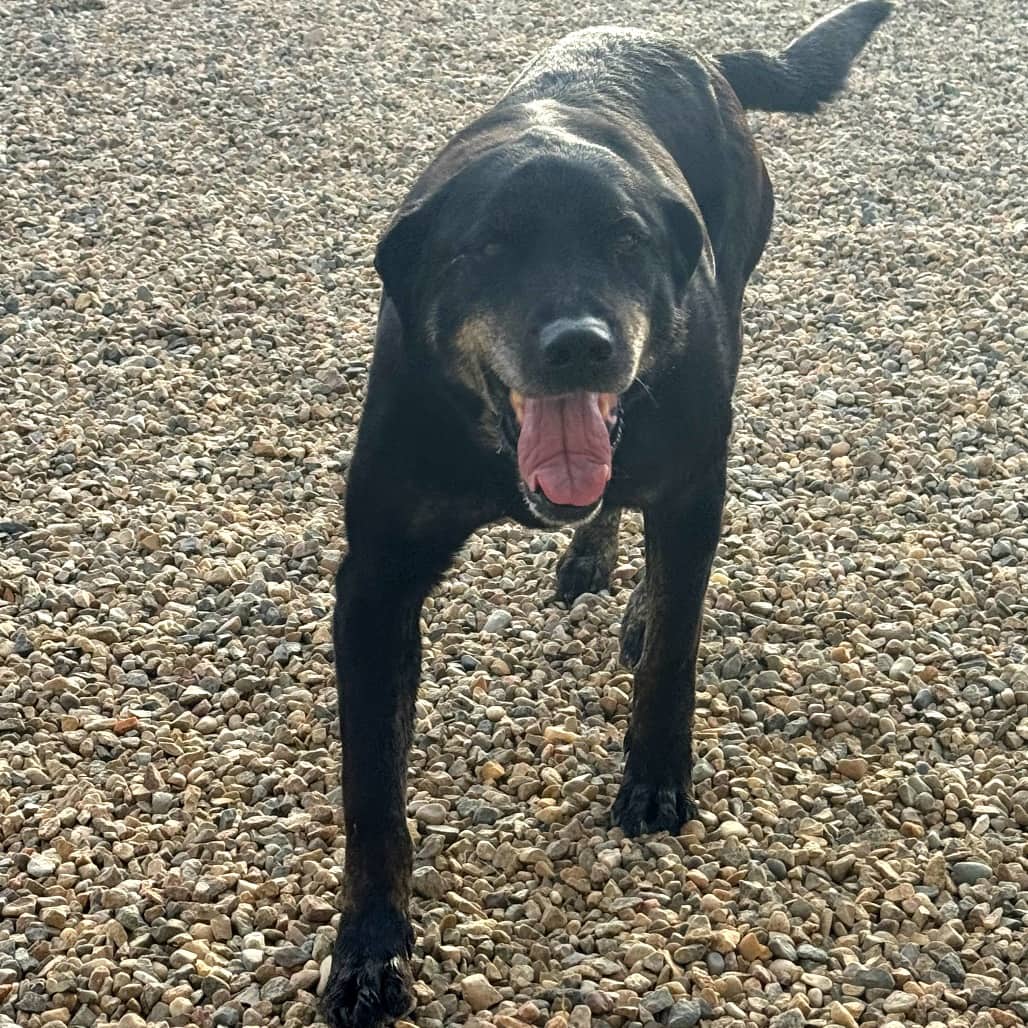
Get notified when a Boxer is listed
We will email you the moment a Boxer becomes available in Saskatchewan, from a rescue or an owner rehoming.
Adopting a Boxer in Saskatchewan
Boxers and Boxer crosses turn up regularly in Saskatchewan rescue, often through the Moose Jaw Humane Society and Saskatoon Dog Rescue. The breed is genuinely well-suited to active SK families — athletic, playful, deeply bonded to people — but the dogs that end up in rescue are usually surrendered because the original owner underestimated the breed's 2-to-3-year adolescent phase.
This page pulls every adoptable Boxer or Boxer cross from the SK shelters we cover into one searchable place, refreshed regularly. Most Boxers in SK rescue are 1 to 5 years old — they age out of adolescent silliness and settle into excellent adult family dogs.
The adolescent surrender problem
Boxers stay puppy-mentally until about age 3. They are large dogs that bounce, mouth, jump on furniture, and use full-body enthusiasm on greetings well past the point most owners expect a dog to "settle down." A first-time owner who pictured a calm adult by 18 months gets a 65-pound exuberant adolescent instead, and many surrender between months 14 and 24.
For an adopter, this is good news. A Boxer that survived adolescence and made it to rescue at age 2-plus is usually past the worst of the bouncing. Foster homes can tell you whether the specific dog has settled or is still in peak adolescent mode.
Brachycephalic concerns and SK summer
Boxers are mildly brachycephalic (flat-faced) — not as extreme as French Bulldogs or Pugs, but enough that they overheat faster than long-nosed breeds. Saskatchewan summer days above 30°C are common in July and August, and a Boxer needs short walks early morning or after dark on those days. The breed also snores, snorts, and reverse-sneezes more than average. None of this is a problem if you know about it; it surprises owners who expected a silent dog.
Cold tolerance is moderate. Boxers have short single coats and need a coat plus booties below minus 20°C. Saskatchewan winter at minus 30 is genuinely uncomfortable for a Boxer — plan for indoor enrichment when the air bites.
Health concerns worth asking the foster about
Boxers are predisposed to several breed-specific cancers (boxer cardiomyopathy, mast cell tumors, lymphoma), aortic stenosis (a heart condition), hip dysplasia, and bloat (gastric dilation-volvulus, an emergency requiring immediate vet care). Rescue Boxers should come with a recent vet check; ask whether the dog has had a cardiac auscultation specifically, since heart conditions are common enough in the breed to screen for. The breed's lifespan averages 9 to 12 years — shorter than most dogs of similar size.
What Boxers are actually like to live with
The traits that make Boxers rewarding when matched well:
- Excellent with kids when raised around them — foster homes that have housed Boxers with children can confirm this directly.
- Trainable with positive methods. Boxers shut down with harsh training but excel with food rewards and clear structure.
- High exercise needs through adolescence (60 to 90 minutes daily of real activity). Adult Boxers settle to about 45 minutes.
- Bond intensely with one household. Separation anxiety is common in rescue Boxers that have been bounced between homes.
- Snore loudly. A Boxer in the bedroom is not a quiet roommate.
What the fee usually covers
Boxer adoption fees at SK rescues sit in the standard range for medium-large rescue dogs. The fee covers spay or neuter, core vaccinations, microchip, deworming, and a vet check before placement. Confirm the exact fee on the dog's own listing.
Looking more broadly? Browse every adoptable dog across the province on Dog Adoption Saskatchewan.
The rescues that most often list Boxers across the province are Moose Jaw Humane Society, Saskatoon Dog Rescue, and Regina Humane Society. For breed-specific background, the Canadian Kennel Club is a useful reference.
Boxer Adoption FAQ — Saskatchewan
Tap a question to expand
How many Boxers are available for adoption in Saskatchewan?▼
Where can I find Boxer adoption near me in Saskatchewan?▼
Why are so many Boxers surrendered to SK rescue?▼
What does a Boxer adoption fee include in SK?▼
How do Boxers handle Saskatchewan winters?▼
What colours do Boxers come in, and are white Boxers different?▼
Can I get a Boxer free to a good home in Saskatchewan?▼
Are these Boxers for sale in Saskatchewan?▼
Where can I buy a Boxer in Saskatchewan, and should I?▼
Are there free Boxers in Saskatchewan, or boxers under $500?▼
Are there Boxer puppies in Saskatchewan, or only adults?▼
Where can I find a Boxer near me in Saskatchewan?▼
Popular dog breeds in Saskatchewan
Boxer adoption by city in Saskatchewan
Each city page lists only the boxers available from rescues serving that city, with local adoption details.
Need to rehome a Boxer?
If you can no longer keep your Boxer, you can list them for free on LocalPetFinder. Your dog stays in your home until you find the right family, you screen who applies, and there is no surrender fee. Not sure yet? Our guide to surrendering a dog in Canada walks through every option first.
List your dog for free →