3 Great Pyrenees puppies available in Saskatchewan
Under a year old, listed by rescues and shelters. Updated as shelters publish.
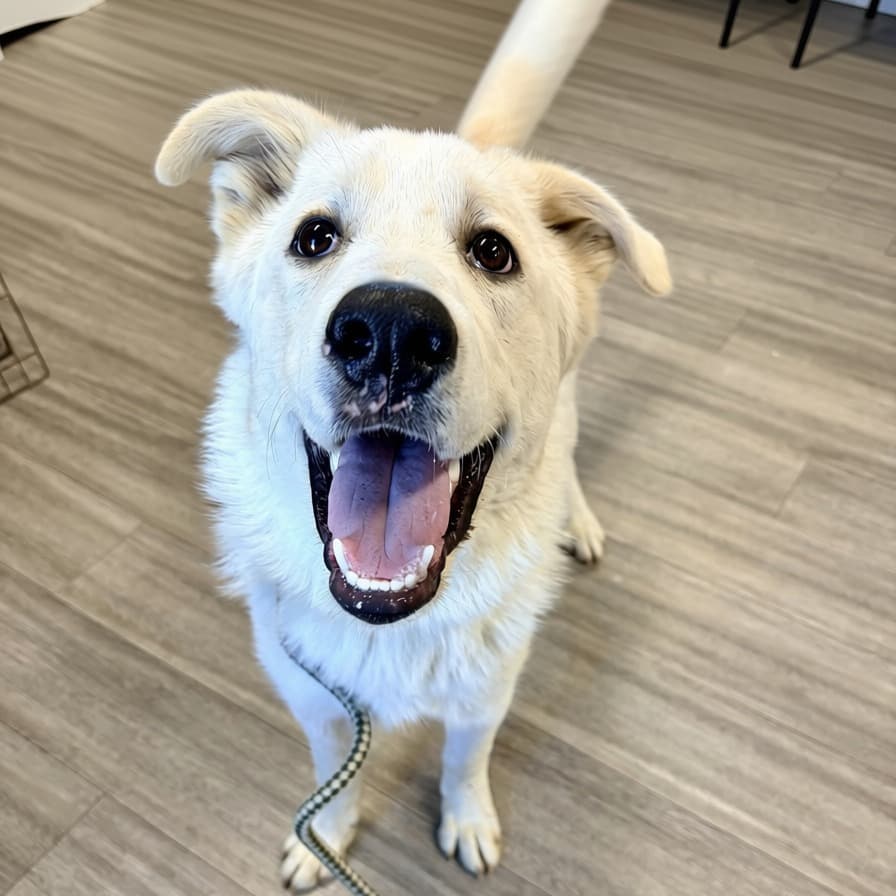
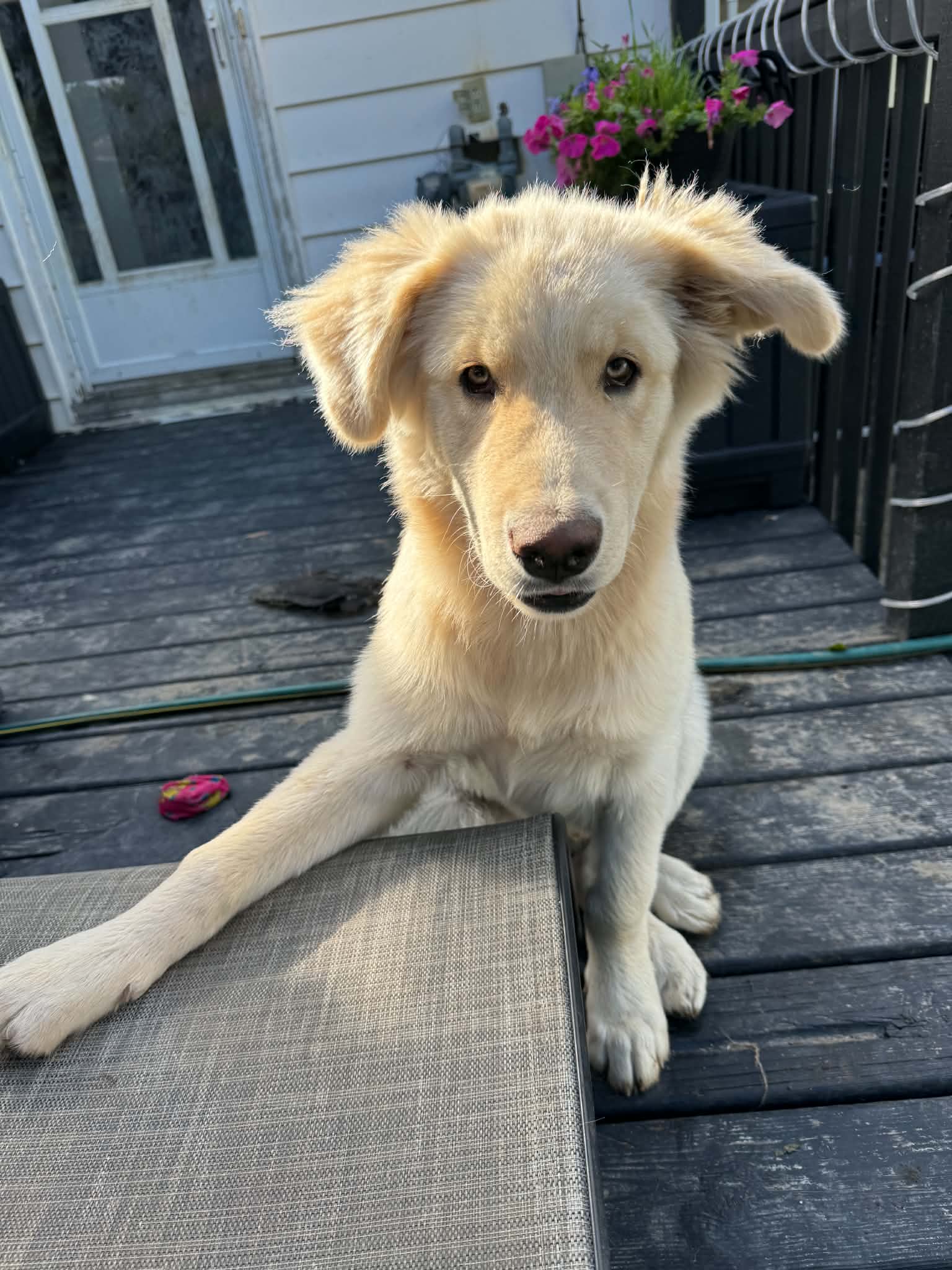
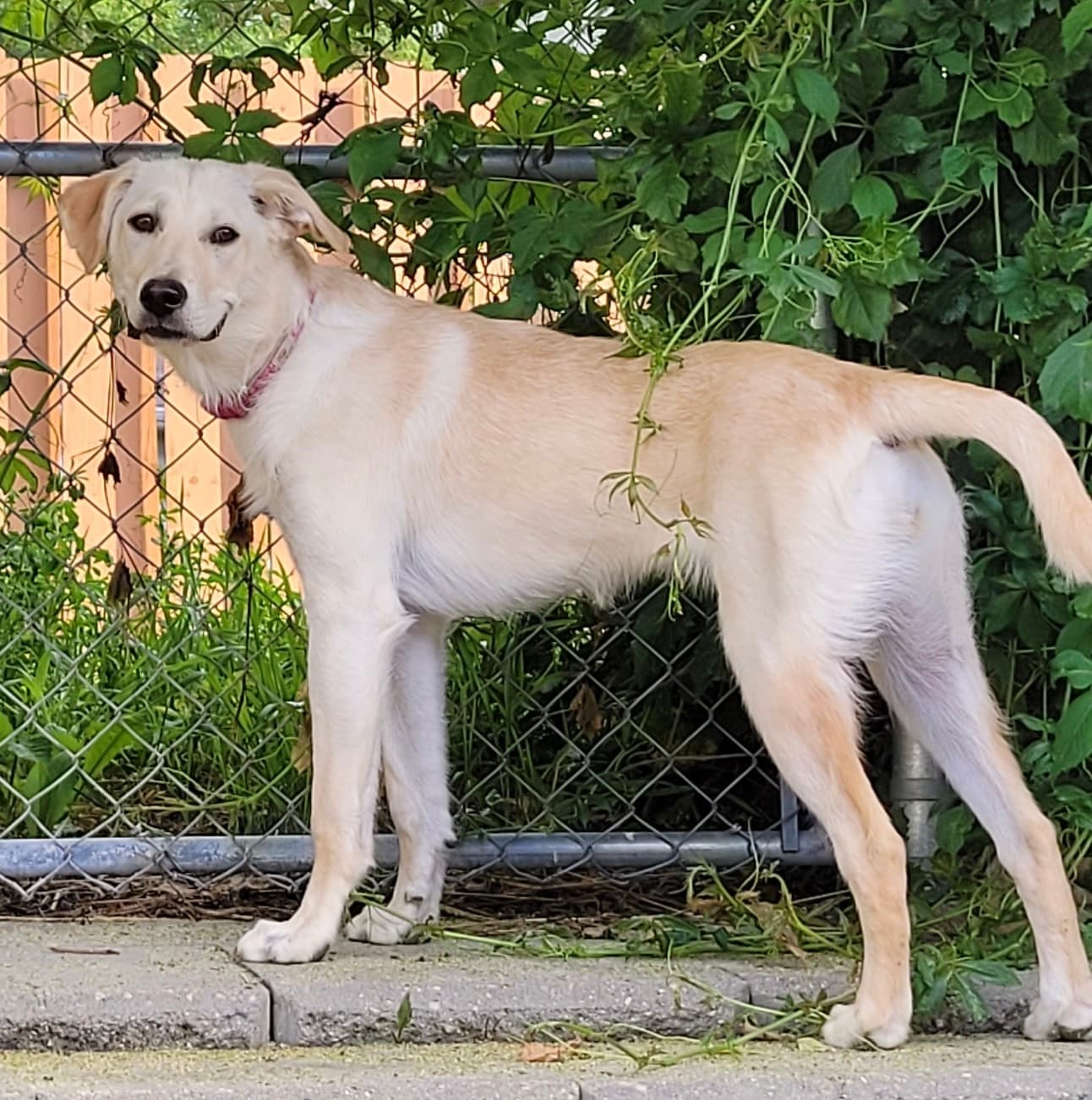
Showing 9 dogs
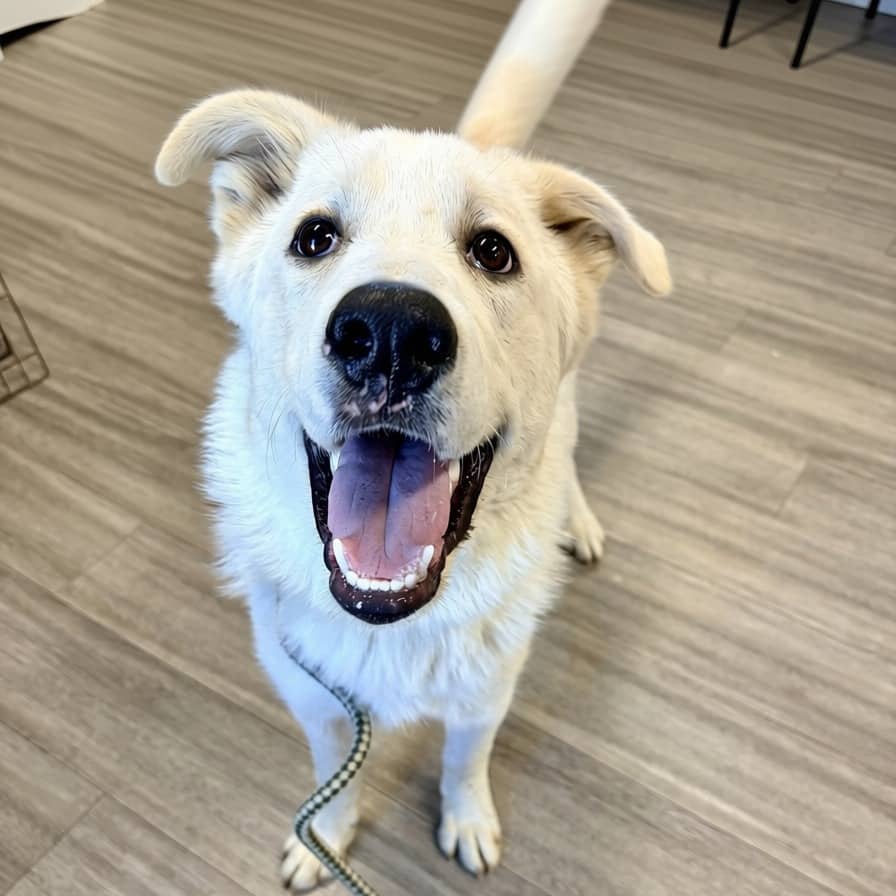
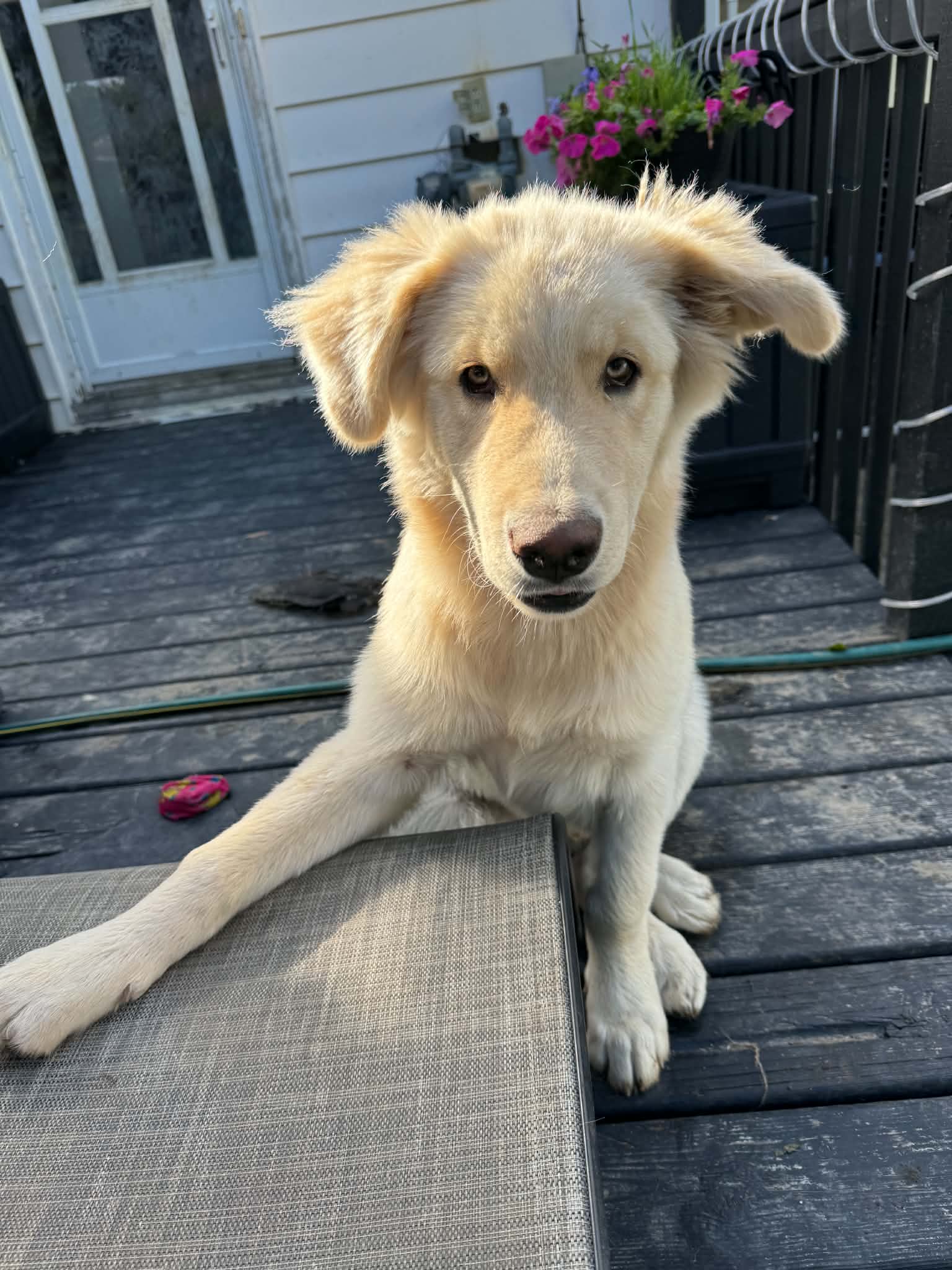
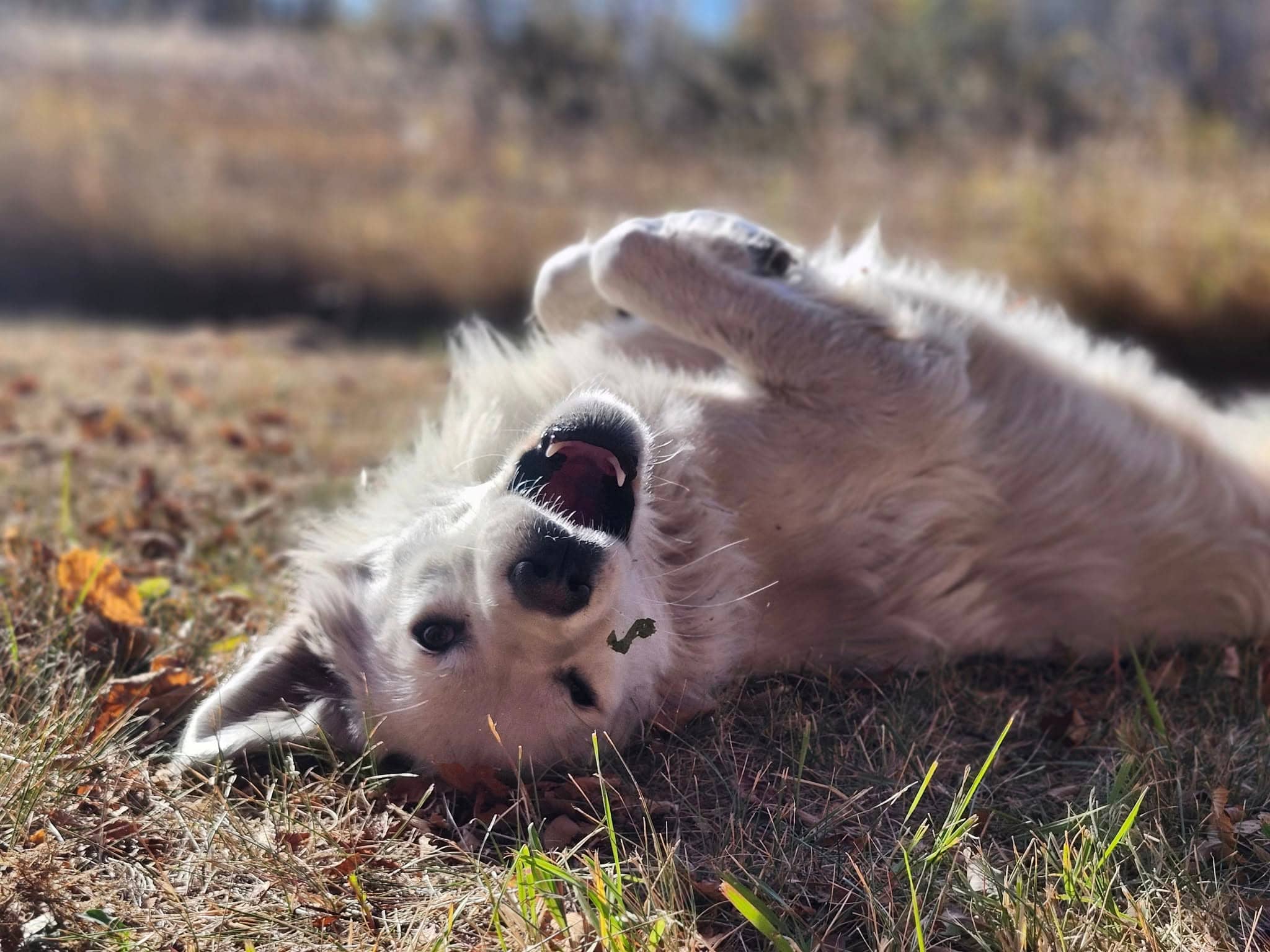
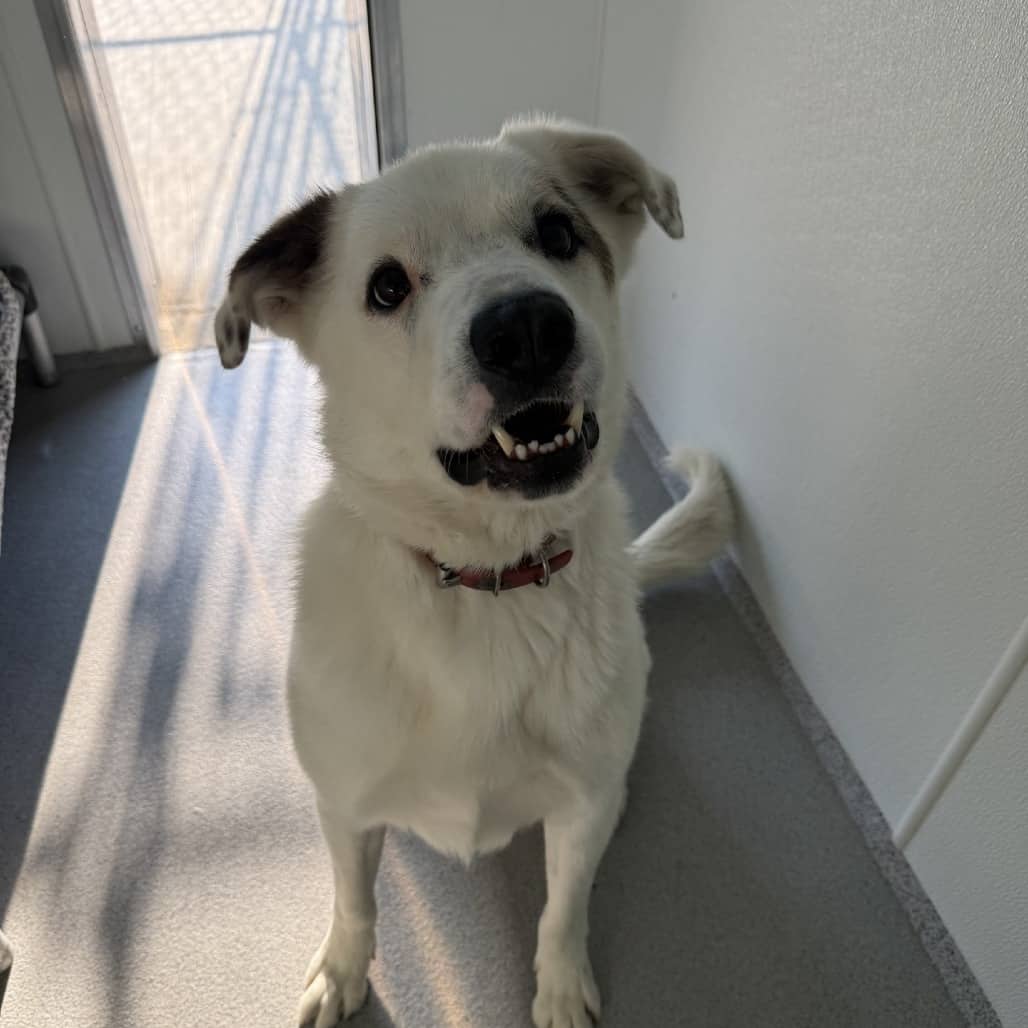
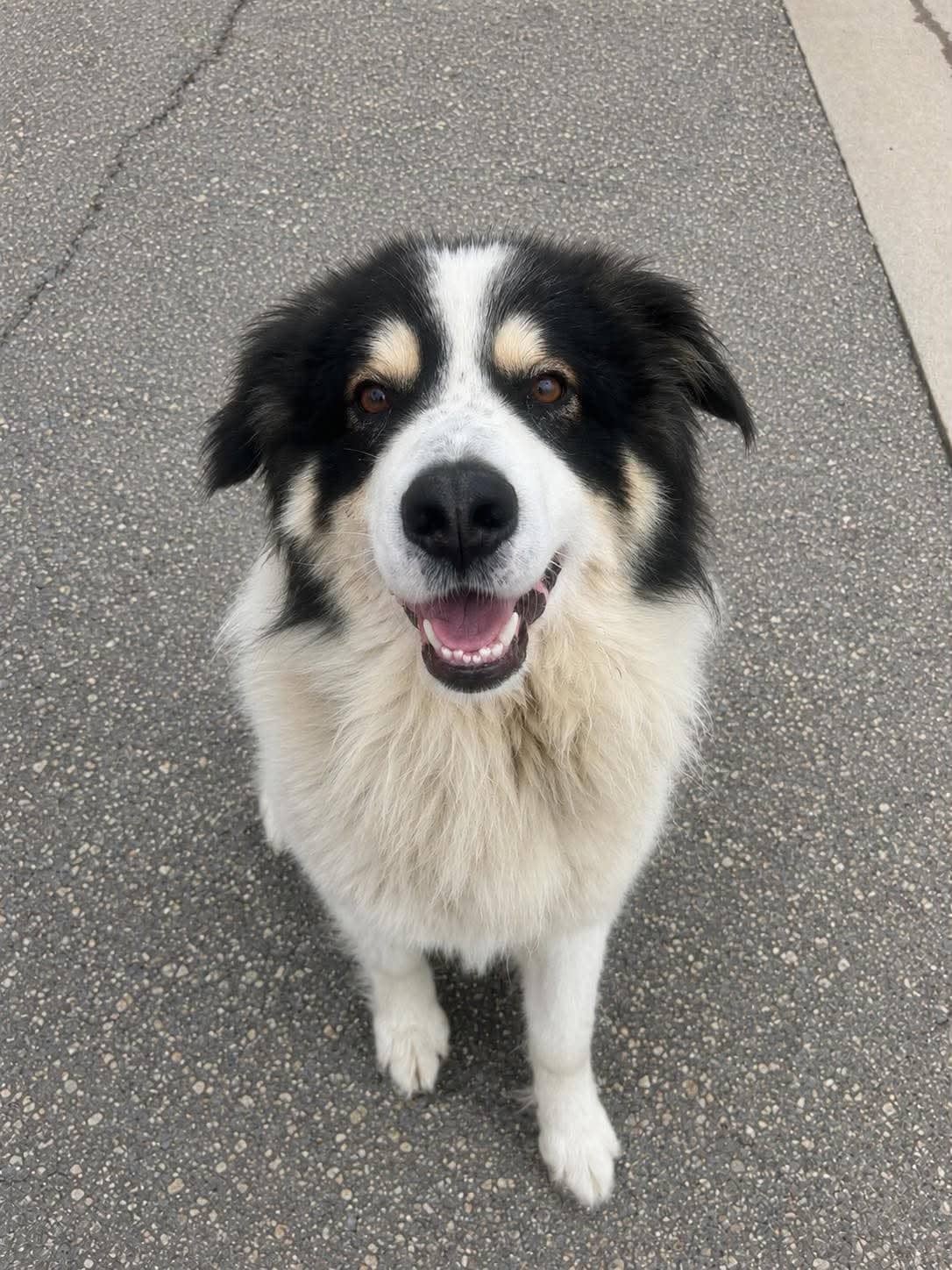
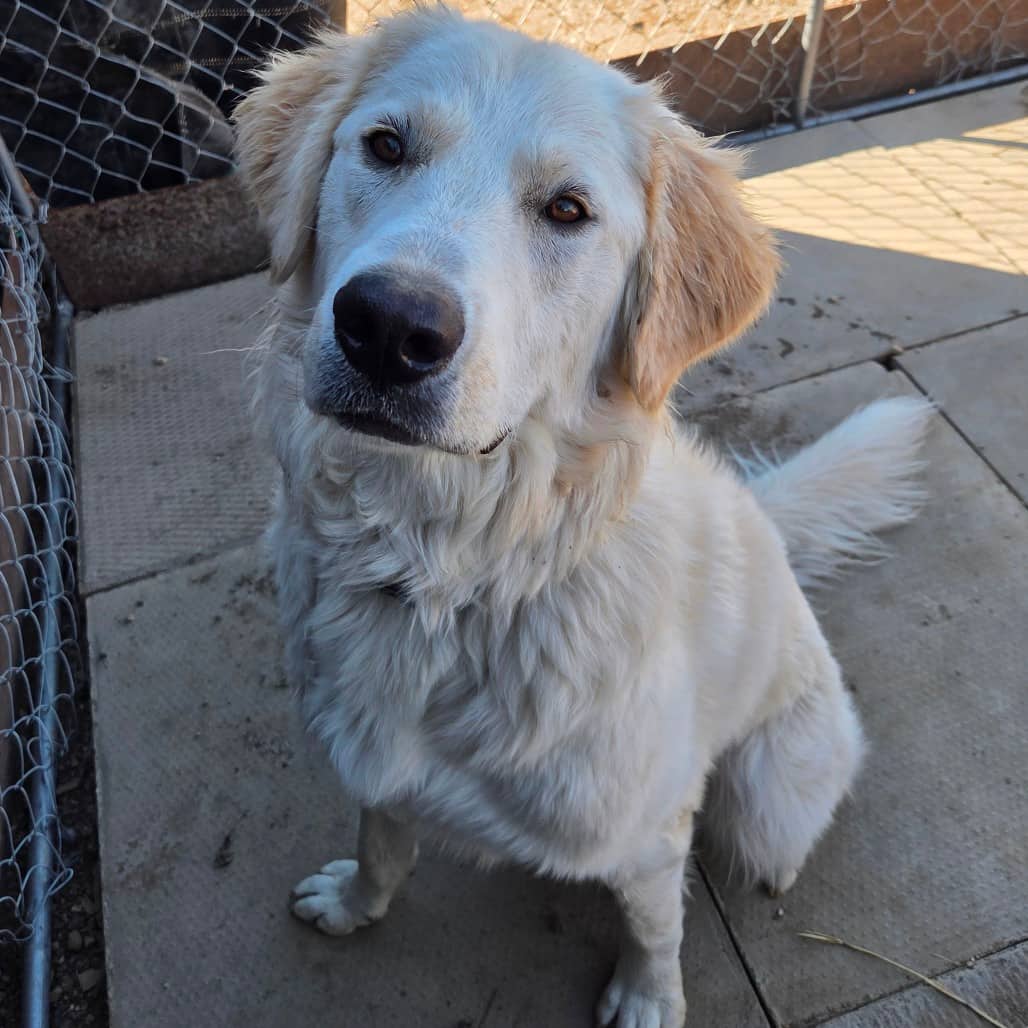
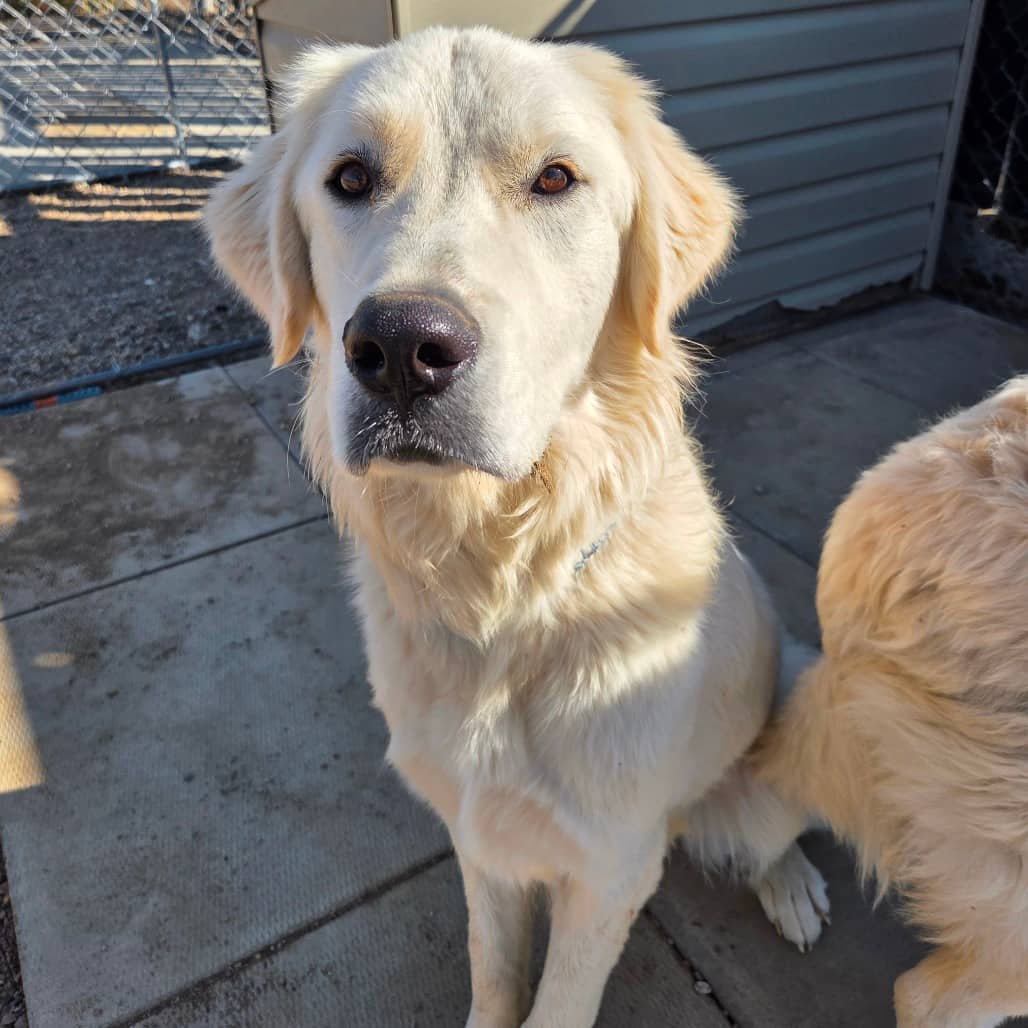
Get notified when a Great Pyrenees is listed
We will email you the moment a Great Pyrenees becomes available in Saskatchewan, from a rescue or an owner rehoming.
Adopting a Great Pyrenees in Saskatchewan
Great Pyrenees and Pyr crosses turn up in SK rescue more often than people expect — they are common livestock guardians on Saskatchewan farms and ranches, and washouts (or surrendered farm dogs after ownership changes) end up in shelter intake. The Prince Albert SPCA in particular sees Pyrenees from rural communities where the dog was originally placed for predator deterrence.
This page pulls every adoptable Great Pyrenees or Pyr cross from the SK shelters we cover into one searchable place, refreshed regularly.
Livestock-guardian instincts in a pet home
Great Pyrenees are bred to guard sheep and goats from coyotes, bears, and wolves in mountainous terrain. Even pet-line Pyrenees retain strong livestock-guardian instincts: territorial barking (especially at night), independent decision-making, suspicion of unfamiliar people on the property, and a tendency to roam if not fenced.
These traits surprise first-time owners. A Pyrenees in a town home will bark at every passerby, will not respond to recall the way a Lab does, and will dig under a fence to follow a perceived threat. The breed is genuinely well-suited to acreage or hobby-farm living where its instincts have an outlet; less well-suited to urban or suburban townhouse life.
Cold tolerance — the best of any common SK breed
Great Pyrenees are arguably the most cold-tolerant breed in SK rescue. The thick double white coat handles SK winter at minus 40°C without difficulty. Pyrenees will choose to sleep outside in snow drifts; many farm Pyrenees never come inside through winter. The breed is genuinely built for what SK throws at it.
Summer heat is the real concern. Pyrenees overheat above 25°C. Walk early morning or after dark in July and August.
Health concerns worth asking the foster about
Great Pyrenees are predisposed to hip and elbow dysplasia, bloat (gastric dilation-volvulus, an emergency requiring immediate vet care — feed two smaller meals rather than one large one), patellar luxation, eye conditions (entropion, cataracts), and bone cancer (osteosarcoma, common in giant breeds). Lifespan averages 10 to 12 years.
What Great Pyrenees are actually like to live with
The traits that make Pyrenees rewarding when matched well, and challenging in urban homes:
- Calm and confident at home — Pyrenees are not high-energy dogs. Moderate exercise needs (60 minutes daily of walking).
- Vocalises. Territorial barking at night is breed-typical and bothers neighbours in dense areas.
- Independent. Recall is unreliable; the breed makes its own decisions, including roaming if not securely fenced.
- Sheds heavily year-round, especially in spring and fall coat blow. Plan for daily vacuuming during coat blow.
- Bonded but aloof. Pyrenees show affection to family but don't need constant attention the way Labs or Goldens do.
Looking more broadly? Browse every adoptable dog across the province on Dog Adoption Saskatchewan.
The rescues that most often list Great Pyrenees across the province are Prince Albert SPCA, Saskatoon Dog Rescue, and Regina Humane Society. For breed-specific background, the Canadian Kennel Club is a useful reference.
Great Pyrenees Adoption FAQ — Saskatchewan
Tap a question to expand
How many Great Pyrenees are available for adoption in Saskatchewan?▼
Where can I find Great Pyrenees adoption near me in Saskatchewan?▼
Can a Great Pyrenees live in a Saskatoon or Regina townhouse?▼
What does a Great Pyrenees adoption fee include in SK?▼
Do Great Pyrenees handle SK winters?▼
Can I get a Great Pyrenees free to a good home in Saskatchewan?▼
Are these Great Pyrenees for sale in Saskatchewan?▼
Where can I buy a Great Pyrenees in Saskatchewan, and should I?▼
Are there free Great Pyrenees in Saskatchewan, or great pyrenees under $500?▼
Are there Great Pyrenees puppies in Saskatchewan, or only adults?▼
Where can I find a Great Pyrenees near me in Saskatchewan?▼
Popular dog breeds in Saskatchewan
Great Pyrenees adoption by city in Saskatchewan
Each city page lists only the great pyrenees available from rescues serving that city, with local adoption details.
Need to rehome a Great Pyrenees?
If you can no longer keep your Great Pyrenees, you can list them for free on LocalPetFinder. Your dog stays in your home until you find the right family, you screen who applies, and there is no surrender fee. Not sure yet? Our guide to surrendering a dog in Canada walks through every option first.
List your dog for free →