1 Hound Mix puppy available in Saskatchewan
Under a year old, listed by rescues and shelters. Updated as shelters publish.
Showing 5 dogs
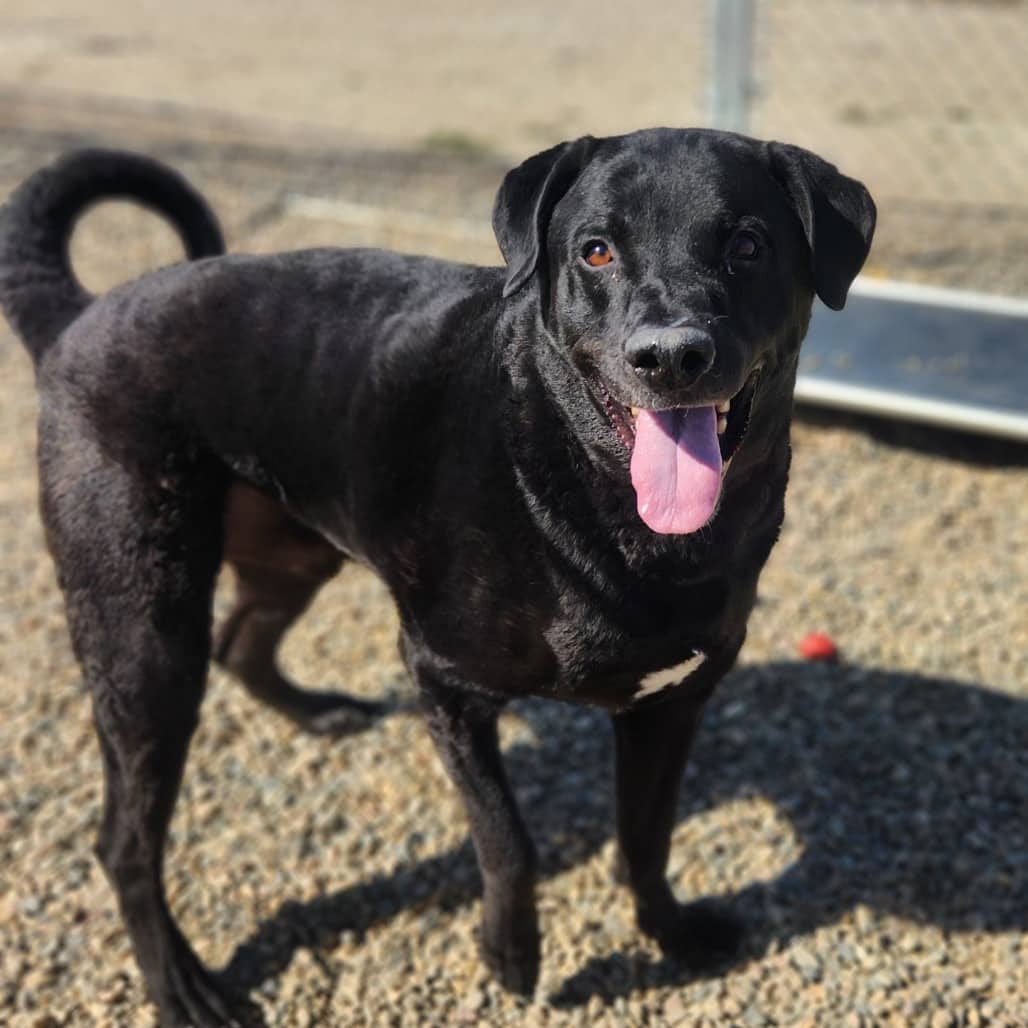
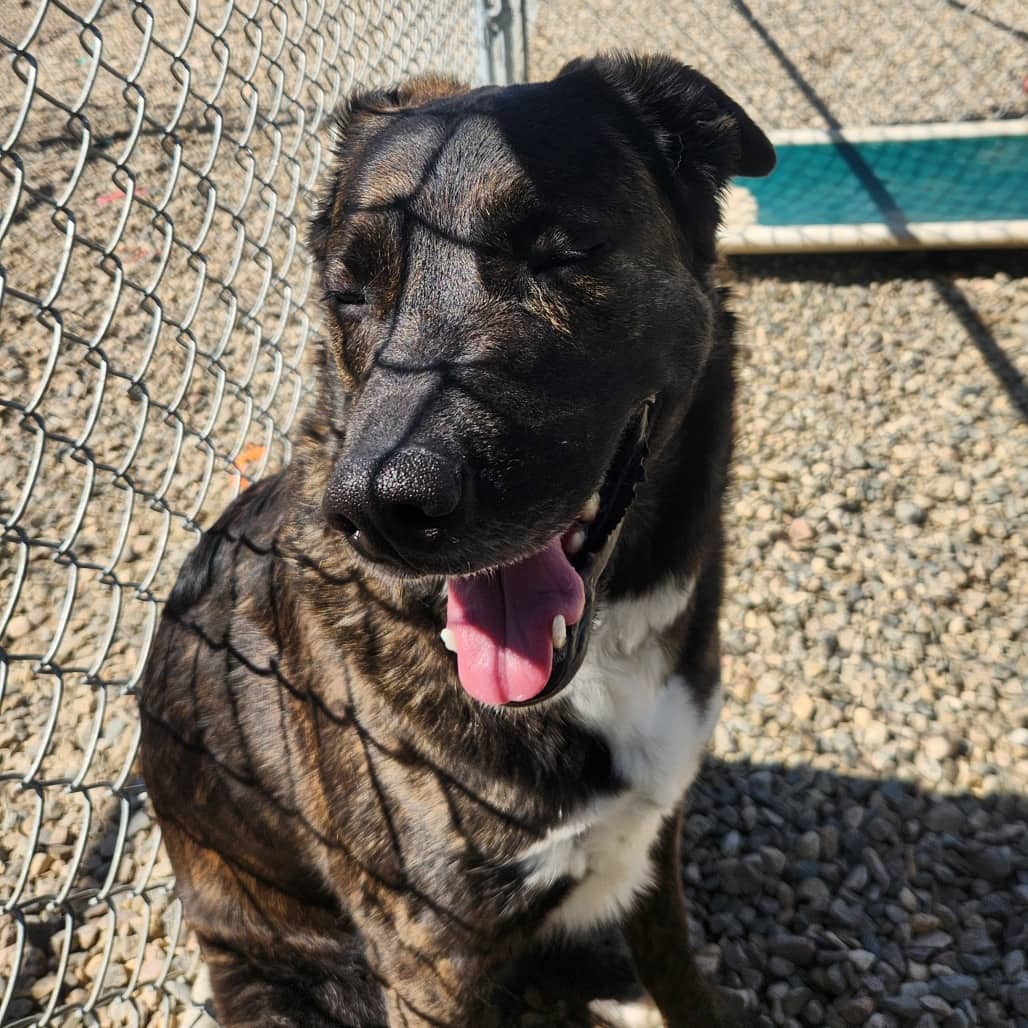
Get notified when a Hound Mix is listed
We will email you the moment a Hound Mix becomes available in Saskatchewan, from a rescue or an owner rehoming.
Adopting a hound mix in Saskatchewan
Hound mix is a catch-all, and that is the most important thing to understand before you adopt one. The label covers scent-hound crosses (Beagle, Coonhound, Basset and the like) and the leggier sighthound types (Greyhound, Whippet and their crosses), and the two are very different dogs to live with. A scent hound lives through its nose and bays; a sighthound chases anything that bolts and then wants to nap. Many SK rescue dogs get tagged "hound mix" simply because nobody is sure, so the single best move you can make is to ask the foster what they actually see in the dog.
Hound mixes turn up regularly across the province, so search all of Saskatchewan rather than one city. Listings in Saskatoon, Regina, Prince Albert and Moose Jaw all carry them, and a two-hour prairie drive for the right dog is normal here. Because the type varies so widely, read every foster note: energy level, recall, prey drive and vocalising can swing dramatically from one hound mix to the next.
Why hound mixes are common in SK rescue
Hound types breed readily and roam by instinct, so unaltered hounds and hound crosses produce a lot of accidental litters. A large share of the hound mixes you will see in Saskatchewan come south through the northern Saskatchewan and reserve-community transfer pipeline, where spay and neuter access is limited. The Prince Albert SPCA takes in a great deal of that northern intake before transferring dogs to rescues further south, and hound-shaped dogs are heavily represented in those transfers.
Others are surrendered when their hound instincts surprise an owner. A nose-driven dog that ignores its name on the trail, a baying hound that upsets the neighbours, or a sighthound cross that bolts after a rabbit and is gone over the field are common reasons a hound mix lands back in rescue. None of that is the dog being bad; it is a hound being a hound in a home that expected a different kind of dog.
Saskatchewan climate fit
Coat varies as much as everything else in a hound mix, and that decides winter comfort. The short-coated, lean types (most scent hounds, all sighthound crosses) feel a minus 30 January night in Saskatoon or Regina badly and need a coat plus limited outdoor time. A burlier, denser-coated hound cross handles the cold far better. Ask about the coat and the body fat, because a fine-boned sighthound type is a winter-management dog here while a stocky Coonhound cross usually is not.
The bigger year-round issue is the nose and the chase. On the flat acreages and quarter-sections where so many Saskatchewan dogs live, field fencing is no obstacle to a determined hound, and a sighthound type can clear ground faster than you can react. A scent hound that catches a deer or coyote trail will simply leave. Treat recall as unreliable by default with most hound mixes: keep them leashed or in genuinely secure fencing, and never trust an off-leash recall near open prairie until a specific dog has proven it over many months. Summer heat in the low-to-mid 30s is manageable for the lean types but harder on heavier, darker-coated hounds, so exercise early or after dark in a heat wave.
Health questions to ask the foster
Because a hound mix can be almost anything, ask the foster what the dog actually looks and acts like rather than assuming a single breed profile. A few things are worth raising on most hound types.
- Ears: long, droopy scent-hound ears trap moisture and are prone to recurring ear infections. Ask whether this dog has had ear trouble.
- Back and joints: long-backed, short-legged hound crosses can be prone to spinal issues. Ask about any limping or back sensitivity.
- Lean sighthound types: thin skin tears easily, and they carry little fat, which matters for both injury and cold tolerance.
- Overall vetting: ask what is confirmed and what is a guess, including any history of the dog being intact and roaming before intake.
What a hound mix is like to live with
Generalising is risky, but a few hound traits show up across most of the type. Match the specific dog to your life rather than the label.
- Nose-driven: scent-hound crosses follow their nose over your commands, which makes recall the hard part.
- Prey drive: sighthound types chase fast-moving animals on sight, a real consideration on rural acreages.
- Vocal: many hounds bay or howl, a long musical sound rather than a typical bark. Ask the foster how much this dog talks.
- Variable energy: some hound mixes need real daily exercise, others are happy as low-key couch dogs. Foster notes are your only reliable guide.
- Often affectionate and easygoing at home once the day's exercise is done.
What the adoption fee covers
A Saskatchewan rescue adoption fee for a hound mix typically covers spay or neuter, core vaccinations, a microchip, deworming and a vet check. For dogs that came up through northern transfer, this often also reflects intake care the rescue has already paid for. Confirm the exact fee and exactly what is included on the individual listing, since it varies by rescue and by the dog's history.
How to search and filter
Search hound along with hound mix, hound cross, scent hound and sighthound, because rescues tag these dogs inconsistently. Set your location to all of Saskatchewan rather than one city, since hound mixes appear across the province and through northern transfer. Above all, read the foster notes and ask the rescue what the dog is actually like, because the hound-mix label tells you almost nothing on its own. Then apply directly to the rescue holding the dog.
Looking more broadly? Browse every adoptable dog across the province on Dog Adoption Saskatchewan.
The rescues that most often list Hound Mixes across the province are Saskatoon SPCA, Saskatoon Dog Rescue, and Regina Humane Society. For breed-specific background, the Canadian Kennel Club is a useful reference.
Hound Mix Adoption FAQ — Saskatchewan
Tap a question to expand
How many Hound Mixes are available for adoption in Saskatchewan?▼
Where can I find Hound Mix adoption near me in Saskatchewan?▼
What does hound mix actually mean?▼
Are hound mixes safe off-leash on a Saskatchewan acreage?▼
Do hound mixes handle Saskatchewan winters?▼
Is LocalPetFinder a shelter or does it charge fees?▼
How much does it cost to adopt a Hound Mix in Saskatchewan?▼
Can I get a Hound Mix free to a good home in Saskatchewan?▼
Are these Hound Mixes for sale in Saskatchewan?▼
Where can I buy a Hound Mix in Saskatchewan, and should I?▼
Are there free Hound Mixes in Saskatchewan, or hound mixes under $500?▼
Are there Hound Mix puppies in Saskatchewan, or only adults?▼
Where can I find a Hound Mix near me in Saskatchewan?▼
Popular dog breeds in Saskatchewan
Hound Mix adoption by city in Saskatchewan
Each city page lists only the hound mixes available from rescues serving that city, with local adoption details.
Need to rehome a Hound Mix?
If you can no longer keep your Hound Mix, you can list them for free on LocalPetFinder. Your dog stays in your home until you find the right family, you screen who applies, and there is no surrender fee. Not sure yet? Our guide to surrendering a dog in Canada walks through every option first.
List your dog for free →