The short answer
Rehome your cat on LocalPetFinder, free
List your cat at no cost. They stay home until the right family is found, you screen adopters through a verified contact form, and you choose who adopts. Reviewed within 24 to 48 hours.
Why Burmese end up needing a new home
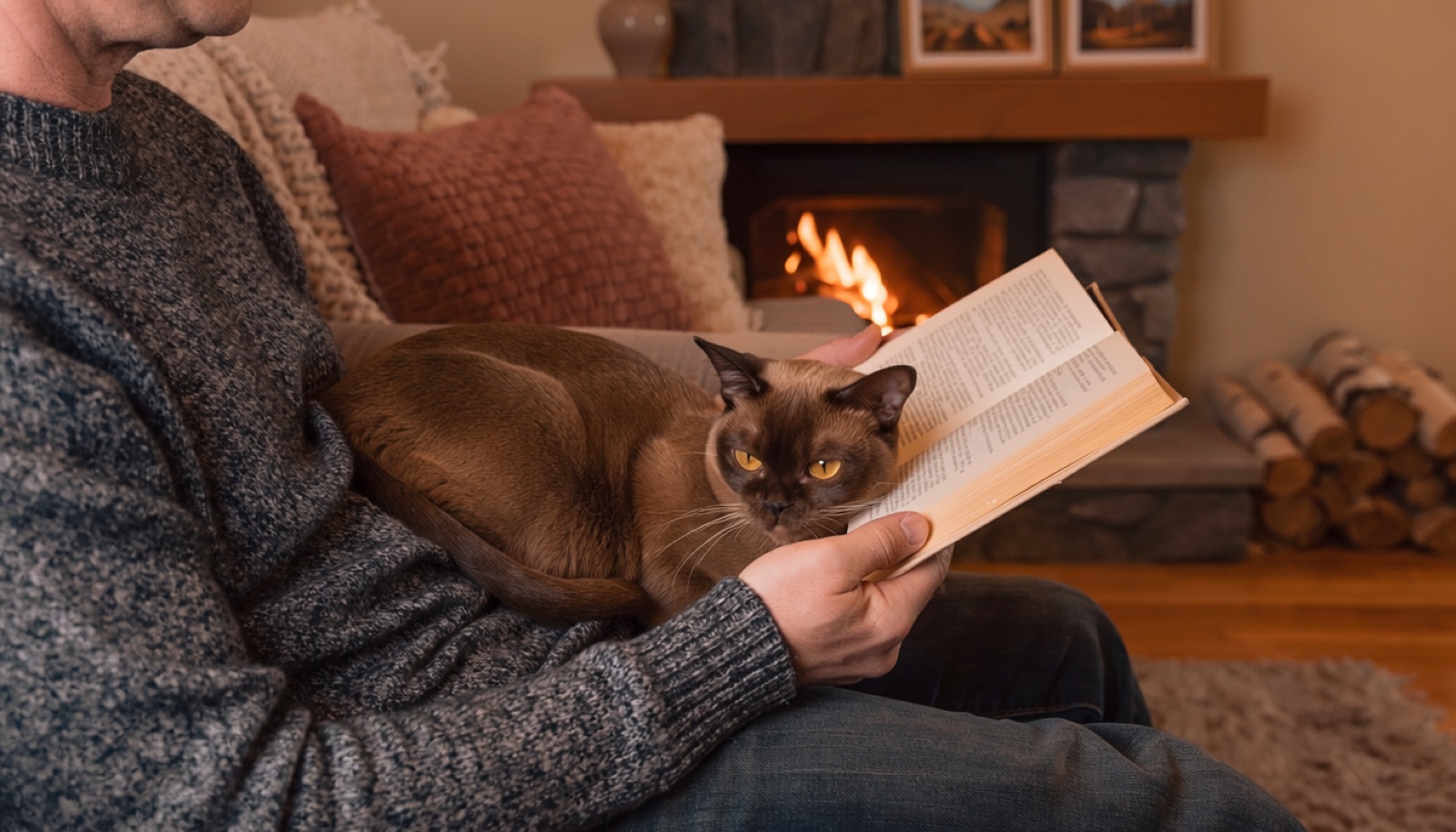
The Cat Fanciers' Association describes people-oriented, affectionate cats known as velcro kitties, and that attachment is both the appeal and the surrender story. The recurring reasons:
- A death in the family. Burmese owners tend to be lifers, and the breed's favourite person is often an older one. When that person dies, the family inherits a grieving, intensely bonded cat alongside everything else. If that is your situation, our guide to rehoming after a death in the family walks through it gently, including the timeline and doing right by the cat mid-grief.
- An owner's illness or move into care. The same devotion story one chapter earlier.
- The empty-house problem. A household that shifted to long office days discovers that a Burmese does not amuse itself. This breed is loud, clingy, and visibly unhappy alone, and some households conclude, correctly, that the cat needs a home with more company than theirs can offer.
- The ordinary reasons. Moves, allergies, finances. A small, portable, apartment-suited cat inherits its owner's housing story.
None of this means your cat is a problem. A Burmese demanding laps, warmth, and constant company is a Burmese in factory condition, and the right home ordered exactly that.
The screening priorities unique to Burmese
Burmese applicants split into people who know the breed and people who like the golden eyes. The first group is your placement.
1. A home with people in it. The non-negotiable. Ask how many hours the house is empty on a normal day. The best Burmese homes are retirees, work-from-home households, or families whose comings and goings overlap. A long-empty house is how this breed ends up in rehoming twice, sadder the second time.
2. The bonded-pair rule, applied honestly. Burmese often live in pairs precisely because the breed needs company, and two cats who groom each other, sleep tangled together, and call for each other are a single unit. Splitting a bonded pair to speed up two placements is the one mistake you cannot undo. Our Siamese guide covers how to assess and list a bonded pair in depth; the same test and the same rule apply here.
3. Indoor-only, and a real fee. A trusting, people-seeking cat that walks up to strangers has no business outdoors and is easy to steal. Our Ragdoll guide covers the indoor-only screening conversation; pair it with a genuine fee and a vet reference, because an expensive breed on a free listing draws resellers.
What you must disclose
Burmese disclosure is attachment first, health file second, and none of it stops an honest placement.
- The velcro reality, in detail. The following, the lap insistence, the vocal commentary, what the cat does when left alone, and what a normal evening looks like. The right adopter reads this as a personal ad.
- Diabetes and weight history. Diabetes is documented in the breed, so share the current weight, your vet's target, any bloodwork notes, and the food routine. You are not diagnosing; you are handing over the numbers the new home's vet will want on day one.
- Dental history. Cleanings, extractions, and anything being watched.
- The bond, honestly. If this cat is bonded to another cat, say so and list them together. If the cat is grieving a person, say that too; adopters handle grief stories better than surprises.
- Litter habits and routine basics. The daily rhythm travels with the cat and makes the first weeks easier.
Burmese rescues and where to ask
Here is the honest picture: there is no Burmese-specific rescue based in Canada we can currently verify as active and taking owner surrenders. The National Alliance of Burmese Breeders runs a rescue network, but it is US-centred; treat any intake offer as a lead to verify rather than a guaranteed door. The practical paths are all-breed cat rescues and humane societies in your province, which take Burmese readily because an affectionate lap cat places fast, and a direct vetted listing with the honest company-needs write-up described above. If your cat came from a breeder, check the purchase contract first: take-back clauses are common among reputable Canadian breeders.
Should you charge a rehoming fee?
Charge a real rehoming fee. Burmese are expensive from a breeder and friendly enough to be easy to take, which makes a free listing doubly risky. A fee of a couple of hundred dollars for a healthy adult is normal in Canada (this is a directional range, not a fixed rule), paired with a vet reference and a meeting at your home or theirs, never a parking lot. For a bonded pair, one combined fee is normal. If you are handling an estate rehoming and the fee feels wrong, donate it to a cat rescue in the original owner's name.
How LocalPetFinder rehoming works
- Submit a free listing at /rehome/submit. Photos, age, breed, spay or neuter status, compatibility, an honest behavioural profile, your reason for rehoming, and a fee. The form takes about 5 minutes and your cat never leaves your home.
- We review it for completeness and basic safety, usually within 24 to 48 hours, then it goes live.
- Your Burmese appears alongside rescue cats on the Burmese listings and the main adoption pages, marked “Owner Rehoming.” Your email stays private.
- You screen and choose. Vetted adopters reach you through a verified contact form. You decide who to respond to, who to meet, and who gets the cat.
Ready to rehome your Burmese responsibly?
List your Burmese on LocalPetFinder for free. Your listing appears next to rescue cats, you control the screening, and we never share your email publicly.
Start Your Free Listing →Anti-scam rules (read every line)
- Never list as “free to good home.” A fair fee is the single best filter against flippers and bad-faith adopters.
- Insist on a meet-and-greet, ideally at the adopter's home. Anyone who refuses a home check is hiding their living situation.
- Be suspicious of anyone offering more than your fee, or pushing for a fast, no-questions handover.
- Get a written agreement and a vet reference, transfer the microchip registration, and prefer e-transfer over cash for a paper trail.