The short answer
Rehome your cat on LocalPetFinder, free
List your cat at no cost. They stay home until the right family is found, you screen adopters through a verified contact form, and you choose who adopts. Reviewed within 24 to 48 hours.
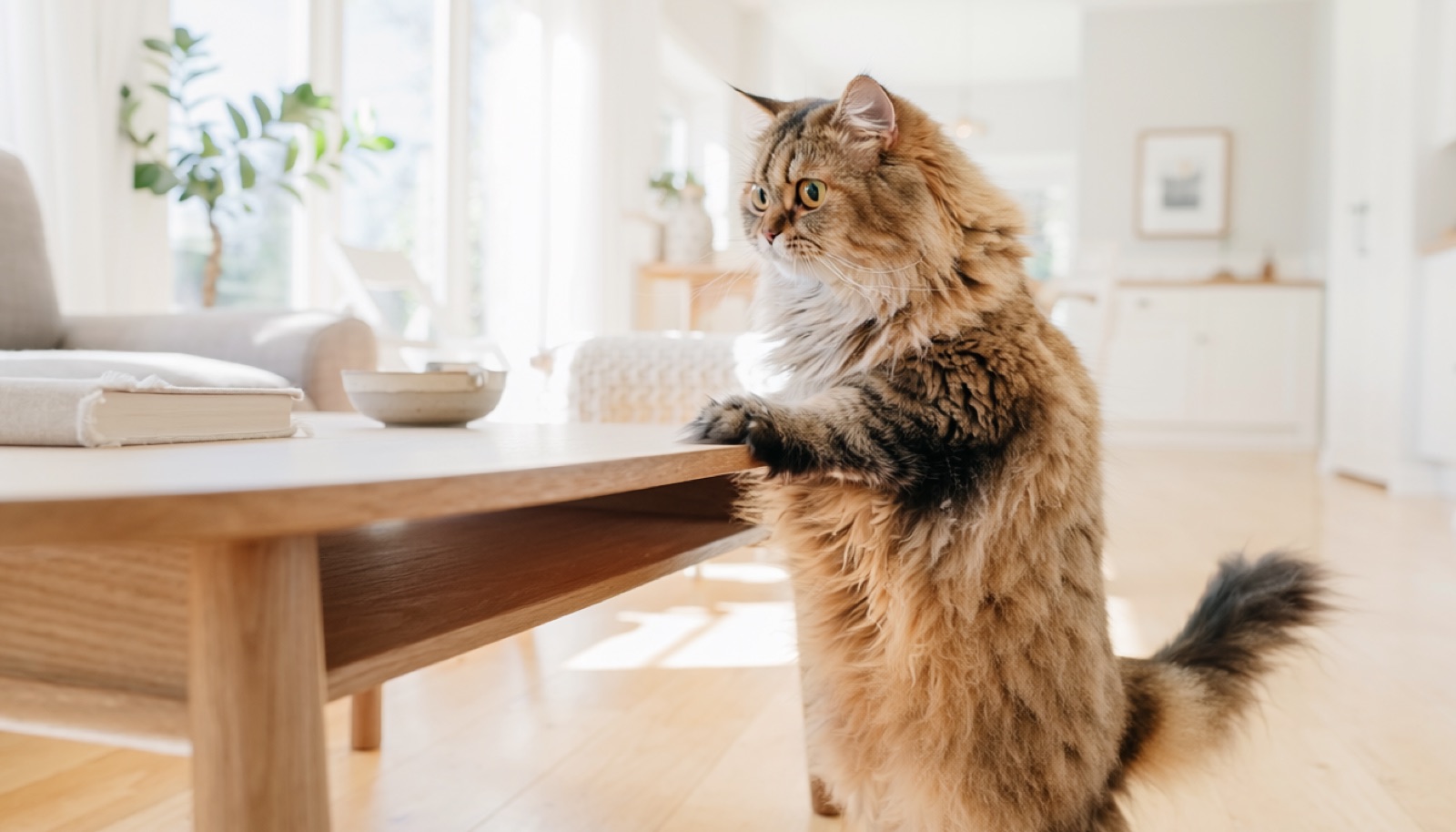
Why Munchkins end up needing a new home
TICA describes a spirited, playful cat that runs, chases, and corners like a squirrel, and behaviour is rarely the surrender story. The recurring reasons:
- Moving. The big one. Munchkins are apartment cats owned disproportionately by renters, and Canadian rental turnover, no-pets clauses, and job moves write the breed's surrender pattern. If a move is forcing your decision, our guide to rehoming because of a move covers the timeline and the options, including keeping the cat if you can.
- Impulse purchase meets reality. This is a social-media-famous breed bought on looks more than most, and some households discover they wanted the videos, not the litter box, the vet bills, and the fifteen-year commitment.
- Vet-cost worry. Some owners rehome pre-emptively after reading about the breed's controversies and fearing future bills. If your cat is healthy, the records say so; fear is not a diagnosis.
- The ordinary reasons. Allergies, a new baby, an owner's illness. A small, portable, playful cat inherits its owner's circumstances.
None of this means your cat is a problem. It means a heavily marketed breed collides with ordinary Canadian housing and life, and a careful rehoming fixes exactly that.
The screening priorities unique to Munchkins
A Munchkin listing does not need help attracting applicants. It needs defence.
1. Screen out the flippers, hardest of any breed in this guide series. Munchkins sell for thousands from breeders, photograph adorably, and fit in a carrier. The tells are the usual ones amplified: pressure to collect the cat today, vagueness about the household, refusal of a video call or home meeting, no vet to name, and offers above your asking fee (a genuine adopter negotiates down or accepts; a reseller bids up). Charge a real fee, verify the vet reference by phoning the clinic yourself, and let the process take a week. You will still have applicants left.
2. A home set up for this cat's actual body. Ask where the food, litter, and favourite perches would live. A good Munchkin home keeps the essentials reachable, offers steps or furniture staircases to beloved high spots, and takes your vet's weight guidance seriously, because every extra gram rides on the same short frame. Describe honestly what your cat can and cannot jump; Munchkins are fast, agile, and inventive climbers, but each cat sets its own limits and the new home should know yours.
3. Indoor-only, settled before it starts. A small, friendly, expensive, instantly recognizable cat is both vulnerable and stealable outdoors. Our Ragdoll guide covers the indoor-only screening conversation in depth; for a Munchkin it is non-negotiable.
What you must disclose, and how to handle the ethics question
Munchkin disclosure is mobility honesty plus the standard file, and one conversation most breeds never require.
- Mobility, specifically. What your cat jumps to and from, how it handles stairs, its favourite routes to high places, and anything it visibly avoids. Not a warning label; a user manual for this particular body.
- Spine and chest notes, if any exist. Spinal curvature (lordosis) and a chest-wall deformity (pectus excavatum) have been reported in the breed. You are not diagnosing anything: share whatever your vet has actually said and hand over the complete records, and the new home's vet takes it from there.
- Weight and your vet's guidance. State the current weight and the target. It matters more on short legs.
- Temperament and routine basics. For most Munchkins this is a list of selling points: playful, sociable, toy-obsessed. Write it in specifics.
On the ethics debate: some adopters will ask about it, because the breed is genuinely controversial: TICA recognizes the Munchkin, while several other major registries decline to, citing welfare concerns about breeding for short legs. Handle it respectfully and without defensiveness. The debate is about breeding decisions; it is not about your cat, who exists and needs a good home regardless of where anyone stands. Answer questions honestly, let the vet records speak, and do not argue the breed's case in the listing. The right adopter is choosing your cat, not a position.
Munchkin rescues and where to ask
Here is the honest picture: there is no Munchkin-specific rescue based in Canada we can currently verify as active and taking owner surrenders. The practical paths are all-breed cat rescues and humane societies in your province, which take Munchkins readily (demand for the breed guarantees fast placement), and a direct vetted listing with the hard screening described above. If your cat came from a breeder, check the purchase contract first: reputable Canadian breeders of a controversial breed are often especially firm about take-back clauses, and one phone call may solve the whole problem.
Should you charge a rehoming fee?
Charge a real rehoming fee, and treat it as the first layer of defence rather than a courtesy. Munchkins sell for thousands from breeders, which makes a free or cheap adult one of the most reliably flipped cats in Canada. A fee of a couple of hundred dollars for a healthy adult is normal (this is a directional range, not a fixed rule), paired with a phoned-and-verified vet reference and a meeting at your home or theirs, never a parking lot, with the cat spayed or neutered before handover. Donate the fee to a cat rescue afterward if keeping it feels wrong; the screening value is the point.
How LocalPetFinder rehoming works
- Submit a free listing at /rehome/submit. Photos, age, breed, spay or neuter status, compatibility, an honest behavioural profile, your reason for rehoming, and a fee. The form takes about 5 minutes and your cat never leaves your home.
- We review it for completeness and basic safety, usually within 24 to 48 hours, then it goes live.
- Your Munchkin appears alongside rescue cats on the Munchkin listings and the main adoption pages, marked “Owner Rehoming.” Your email stays private.
- You screen and choose. Vetted adopters reach you through a verified contact form. You decide who to respond to, who to meet, and who gets the cat.
Ready to rehome your Munchkin responsibly?
List your Munchkin on LocalPetFinder for free. Your listing appears next to rescue cats, you control the screening, and we never share your email publicly.
Start Your Free Listing →Anti-scam rules (read every line)
- Never list as “free to good home.” A fair fee is the single best filter against flippers and bad-faith adopters.
- Insist on a meet-and-greet, ideally at the adopter's home. Anyone who refuses a home check is hiding their living situation.
- Be suspicious of anyone offering more than your fee, or pushing for a fast, no-questions handover.
- Get a written agreement and a vet reference, transfer the microchip registration, and prefer e-transfer over cash for a paper trail.