The short answer
Rehome your cat on LocalPetFinder, free
List your cat at no cost. They stay home until the right family is found, you screen adopters through a verified contact form, and you choose who adopts. Reviewed within 24 to 48 hours.
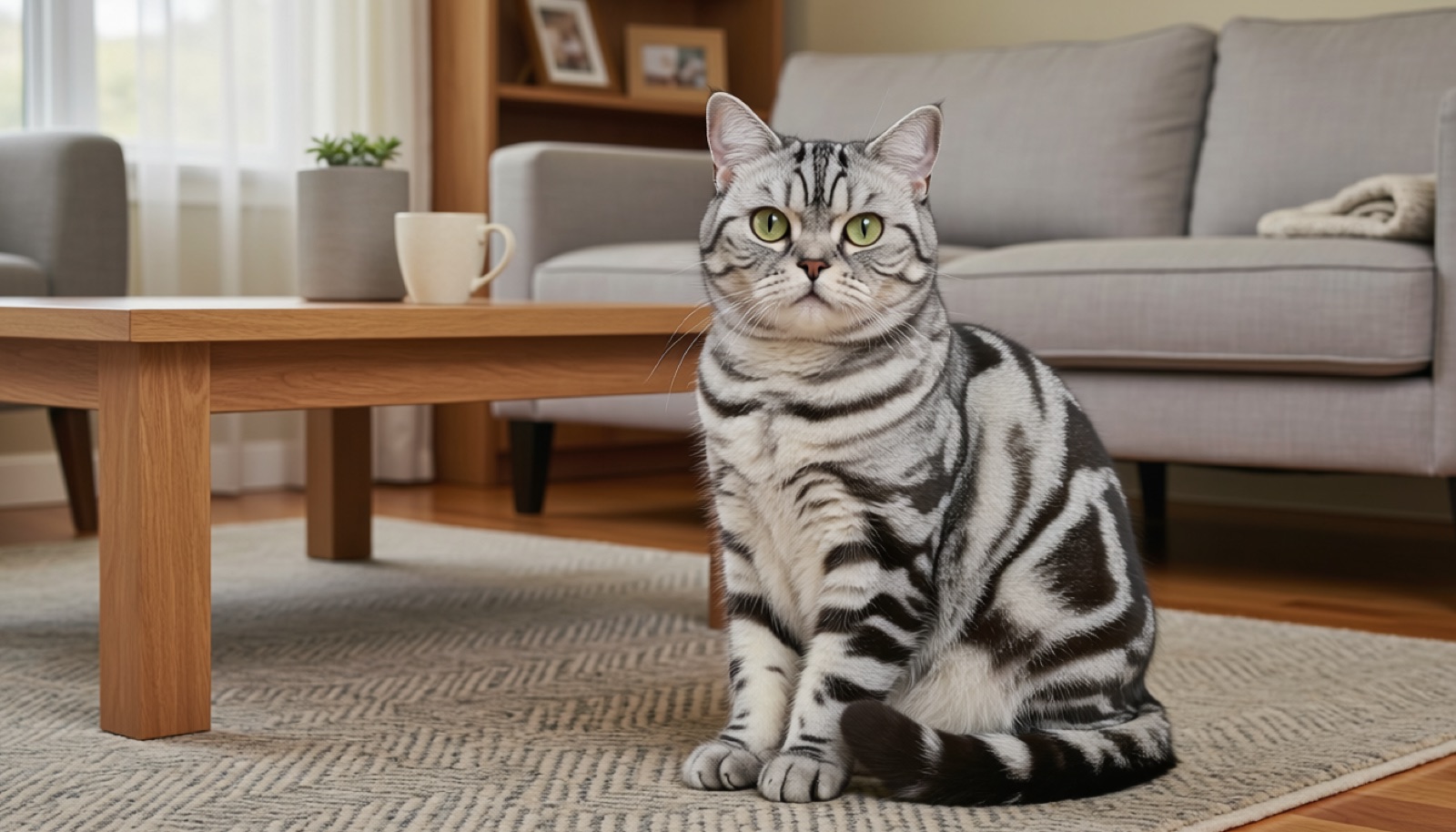
Why American Shorthairs end up needing a new home
The Cat Fanciers' Association describes a gentle, adaptable, even-tempered companion bred down from working cats, and that temperament is almost never the surrender story. The recurring reasons:
- Moving. The big one. An adaptable family cat inherits its family's housing story, and Canadian rental turnover, no-pets clauses, and job relocations write most of it. If a move is forcing your decision, our guide to rehoming because of a move covers the timeline and the options, including keeping the cat if you can.
- Allergies and new babies. The breed's family-friendliness means it lives in exactly the households where both arrive.
- An older owner's circumstances. A calm, undemanding cat suits quiet households, so illness and moves into care account for a steady share of rehomings.
- Weight and vet-cost creep. American Shorthairs are stocky, food-motivated, and prone to gaining weight, and some households rehome when a vet starts talking about diets and dental work.
Notice what is missing: behaviour problems. An American Shorthair listing is one of the easiest honest listings you will ever write, and the placement work is matching, not marketing.
Is your cat an American Shorthair or a domestic shorthair?
Here is the distinction, briefly, because it shapes the listing. The American Shorthair is a pedigreed breed recognized by CFA and TICA, with registration papers, documented lineage, and a breeder behind it. A domestic shorthair is any shorthaired cat of the general population, which is most cats in Canada, including many that look exactly like the silver classic tabby on the breed posters.
Why it matters a little: if your cat has papers, say so and include them in the handover, and check the purchase contract, because reputable Canadian breeders often include a take-back clause and one phone call may solve the whole problem. If your cat has no papers, describe her as a shorthaired cat and never invent a pedigree to justify a fee; the temperament sells itself, and honesty is the whole foundation of a placement that lasts.
Why it matters less than you might fear: the care, the screening, and the kind of home that suits the cat are identical either way. If yours is a domestic shorthair, our domestic shorthair guide is the fuller version of this conversation, written for the everycat that most Canadian cats are.
Screening and disclosure for a classic family cat
An American Shorthair suits more homes than most breeds in this series, which makes screening pleasantly simple. Three checks matter most.
1. Match the household honestly. This is a companionable cat that likes being around its people without living on them. Families with gentle children, respectful dogs, and ordinary routines are the breed's natural habitat. Say in the listing what your cat actually does on a normal evening, in specifics, not adjectives.
2. Indoor-only, settled before it starts. An easygoing, trusting cat has no more street sense than a glamorous one. Our Ragdoll guide covers the indoor-only screening conversation in depth, and it applies here too.
3. Disclose the file. Hypertrophic cardiomyopathy (HCM) is documented in the breed, so share any murmur a vet has mentioned, any screening results, breeder paperwork, and the complete records. Our Maine Coon guide covers HCM disclosure in depth, and the same hand-over-the-file approach applies. State the current weight and your vet's target, because the breed's stocky build hides gain, and describe litter habits and behaviour with kids, dogs, and other cats from what you have actually seen.
American Shorthair rescues and where to ask
Here is the honest picture: there is no American-Shorthair-specific rescue based in Canada we can currently verify as active and taking owner surrenders. The practical paths are all-breed cat rescues and humane societies in your province, which take easygoing family cats readily, and a direct vetted listing with the honest write-up described above. If your cat is registered and came from a breeder, check the purchase contract first; take-back clauses are common among reputable Canadian breeders.
Should you charge a rehoming fee?
Charge a real rehoming fee. A registered American Shorthair costs real money from a breeder, and even without papers a healthy, sweet-tempered adult deserves the screening value a fee provides. A fee in the low hundreds for a healthy adult is normal in Canada (this is a directional range, not a fixed rule), paired with a vet reference and a meeting at your home or theirs, never a parking lot, with the cat spayed or neutered before handover. Donate the fee to a cat rescue afterward if you would rather not keep it.
How LocalPetFinder rehoming works
- Submit a free listing at /rehome/submit. Photos, age, breed, spay or neuter status, compatibility, an honest behavioural profile, your reason for rehoming, and a fee. The form takes about 5 minutes and your cat never leaves your home.
- We review it for completeness and basic safety, usually within 24 to 48 hours, then it goes live.
- Your American Shorthair appears alongside rescue cats on the American Shorthair listings and the main adoption pages, marked “Owner Rehoming.” Your email stays private.
- You screen and choose. Vetted adopters reach you through a verified contact form. You decide who to respond to, who to meet, and who gets the cat.
Ready to rehome your American Shorthair responsibly?
List your American Shorthair on LocalPetFinder for free. Your listing appears next to rescue cats, you control the screening, and we never share your email publicly.
Start Your Free Listing →Anti-scam rules (read every line)
- Never list as “free to good home.” A fair fee is the single best filter against flippers and bad-faith adopters.
- Insist on a meet-and-greet, ideally at the adopter's home. Anyone who refuses a home check is hiding their living situation.
- Be suspicious of anyone offering more than your fee, or pushing for a fast, no-questions handover.
- Get a written agreement and a vet reference, transfer the microchip registration, and prefer e-transfer over cash for a paper trail.