The short answer
Rehome your dog on LocalPetFinder, free
List your dog at no cost. They stay home until the right family is found, you screen adopters through a verified contact form, and you choose who adopts. Reviewed within 24 to 48 hours.
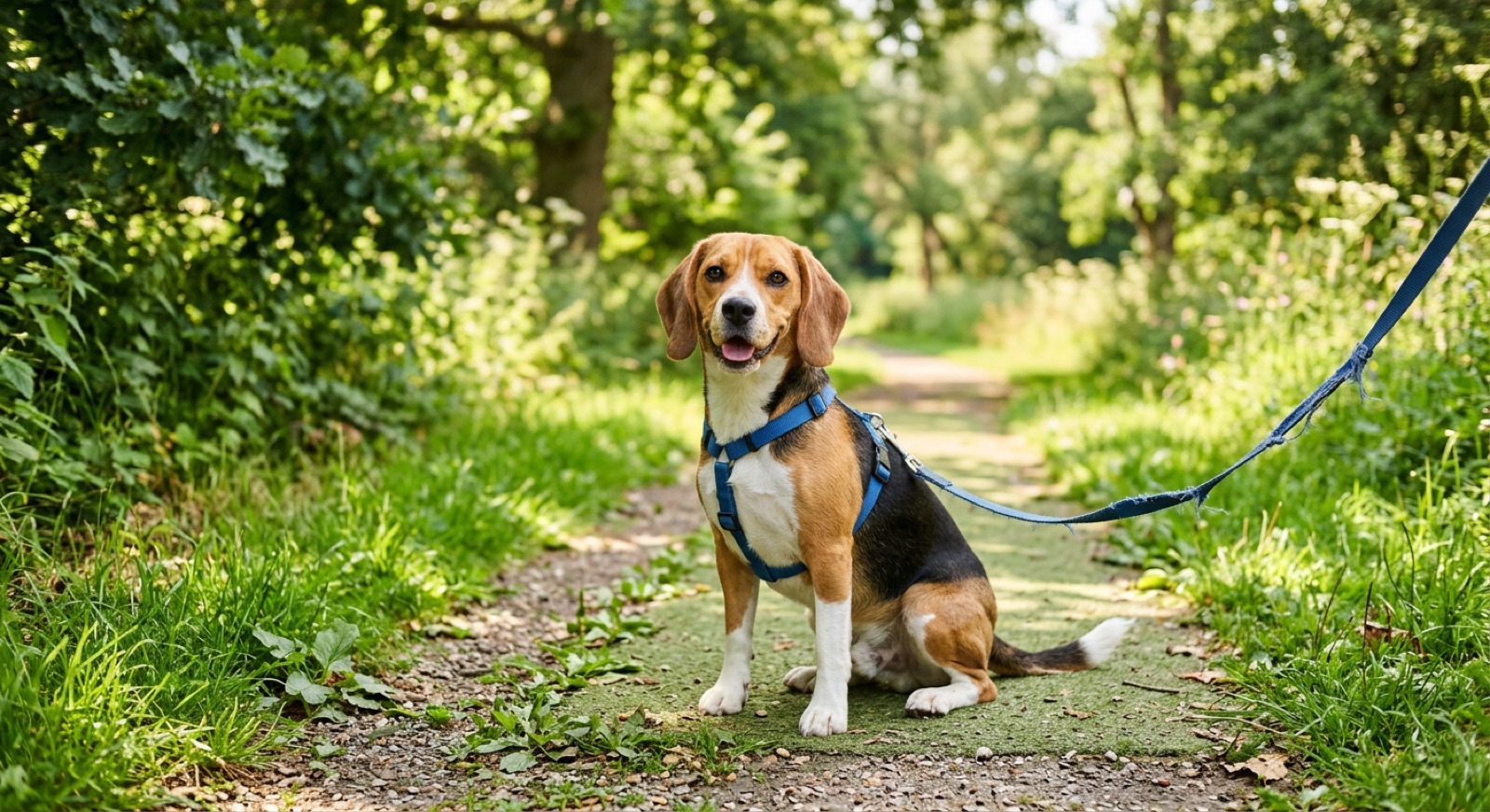
Why Beagles end up needing a new home
Beagle surrenders trace back to the gap between the breed's cuddly reputation and the reality of a working scent hound. The Canadian Kennel Club calls the Beagle "an endearing family pet" that is especially good with children, and in the same breath notes it is "a breed of incredible stamina" for which daily outdoor exercise is a must. Both halves are true, and the second half is what surprises owners.
The recurring reasons owners reach the rehoming decision:
- Baying and howling. The Beagle voice was bred to carry across fields, and it carries just as well across an apartment wall. Noise complaints, angry neighbours, and lease trouble are the number one Beagle surrender story, and they often collide with a move. If a move is forcing your decision, our guide to rehoming because of a move covers that side of it.
- Howling when left alone. Beagles are pack hounds. Left alone for a full workday, many vocalize for hours, which the owner only learns about from a note on the door.
- Scent-driven escapes and zero recall. A nose-down Beagle goes under, through, or over a fence and keeps going. This is instinct, not disobedience, and it means a Beagle must not be off-leash in unfenced spaces.
- Food obsession and weight. Beagles are relentless food seekers, and an indulged Beagle gets heavy fast.
- Stubborn house-training and hound independence. A dog bred to make its own decisions on a trail tunes out commands, which owners misread as spite.
None of this means your dog is a problem. The breed and the housing did not line up, and a thoughtful rehoming fixes exactly that.
The screening priorities unique to Beagles
A general rehoming guide tells you to screen adopters. For a Beagle, three checks matter more than anything else.
1. Secure fencing and leash discipline. Ask specifically about the yard and how the adopter walks their dogs. A Beagle on a scent has near-zero recall, so the new home needs a physical fence checked at ground level (Beagles dig under more often than they jump over) and an owner who keeps the dog leashed in open areas. If your Beagle has escaped before, disclose exactly how so the new home can secure against it.
2. Housing that can absorb the voice. A detached house with understanding neighbours is a different life for a Beagle than a thin-walled apartment. Ask directly where the adopter lives and whether they have heard a Beagle bay. An adopter who laughs and says they grew up with hounds is worth ten who say the noise probably will not bother anyone.
3. A realistic alone-time plan. Ask how many hours the dog would be alone on a normal day. Beagles do best with company, another dog, or a daycare or walker plan for long workdays. A home where the dog is alone nine hours a day is the same setup that produces the howling complaints that led here.
How long it realistically takes
Beagles place well. They are a small-to-medium, famously kid-friendly breed with a devoted following, so a healthy adult with honest photos and a fair fee typically finds a home in two to six weeks. Puppies and young adults go faster. Seniors, dogs with weight problems, and dogs with a heavy howling history take longer and need a more carefully matched home, but they do get placed when the listing is honest about what living with the dog is actually like. The time goes into screening for fencing and housing, not into finding interest.
What you must disclose
The Beagle traits that end placements are all manageable in the right home and disastrous in the wrong one, so the listing has to tell the truth.
- The noise, specifically. Does your dog bay at squirrels, howl when alone, or both? For how long? A noise-tolerant home can plan for it; a surprised home returns the dog.
- Escape history. Under, over, or through, and what finally contained the dog.
- Alone-time behaviour. If you have a neighbour's complaint or a camera recording, share what you know rather than guessing.
- Weight and food behaviour. Current weight, food stealing, and any guarding around food.
- House-training reality. Beagles are slower than average to house-train. Say where your dog actually is on that curve.
Honesty here is what filters for the hound-experienced home that will keep the dog for life.
Beagle rescues and where to ask
Beagle-specific rescue in Canada is unusually strong, anchored by the country's largest single-breed beagle organization. Intake still depends on capacity, so contact them early and list on LocalPetFinder in parallel. Verified Canadian options:
Should you charge a rehoming fee?
Charge a modest rehoming fee. For a healthy adult Beagle a fee in the low hundreds is normal in Canada (this is a directional range, not a fixed rule). A real fee filters out people who collect free animals or flip small, popular dogs, and it signals to good adopters that you take the dog's welfare seriously. Be upfront about noise, weight, and any escape history, and price honestly. You can donate the fee to a beagle rescue afterward if you would rather not keep it.
How LocalPetFinder rehoming works
- Submit a free listing at /rehome/submit. Photos, age, breed, spay or neuter status, compatibility, an honest behavioural profile, your reason for rehoming, and a fee. The form takes about 5 minutes and your dog never leaves your home.
- We review it for completeness and basic safety, usually within 24 to 48 hours, then it goes live.
- Your Beagle appears alongside rescue dogs on the Beagle listings and the main adoption pages, marked “Owner Rehoming.” Your email stays private.
- You screen and choose. Vetted adopters reach you through a verified contact form. You decide who to respond to, who to meet, and who gets the dog.
Ready to rehome your Beagle responsibly?
List your Beagle on LocalPetFinder for free. Your listing appears next to rescue dogs, you control the screening, and we never share your email publicly.
Start Your Free Listing →Anti-scam rules (read every line)
- Never list as “free to good home.” A fair fee is the single best filter against flippers and bad-faith adopters.
- Insist on a meet-and-greet, ideally at the adopter's home. Anyone who refuses a home check is hiding their living situation.
- Be suspicious of anyone offering more than your fee, or pushing for a fast, no-questions handover.
- Get a written agreement and a vet reference, transfer the microchip registration, and prefer e-transfer over cash for a paper trail.