The short answer
Rehome your dog on LocalPetFinder, free
List your dog at no cost. They stay home until the right family is found, you screen adopters through a verified contact form, and you choose who adopts. Reviewed within 24 to 48 hours.
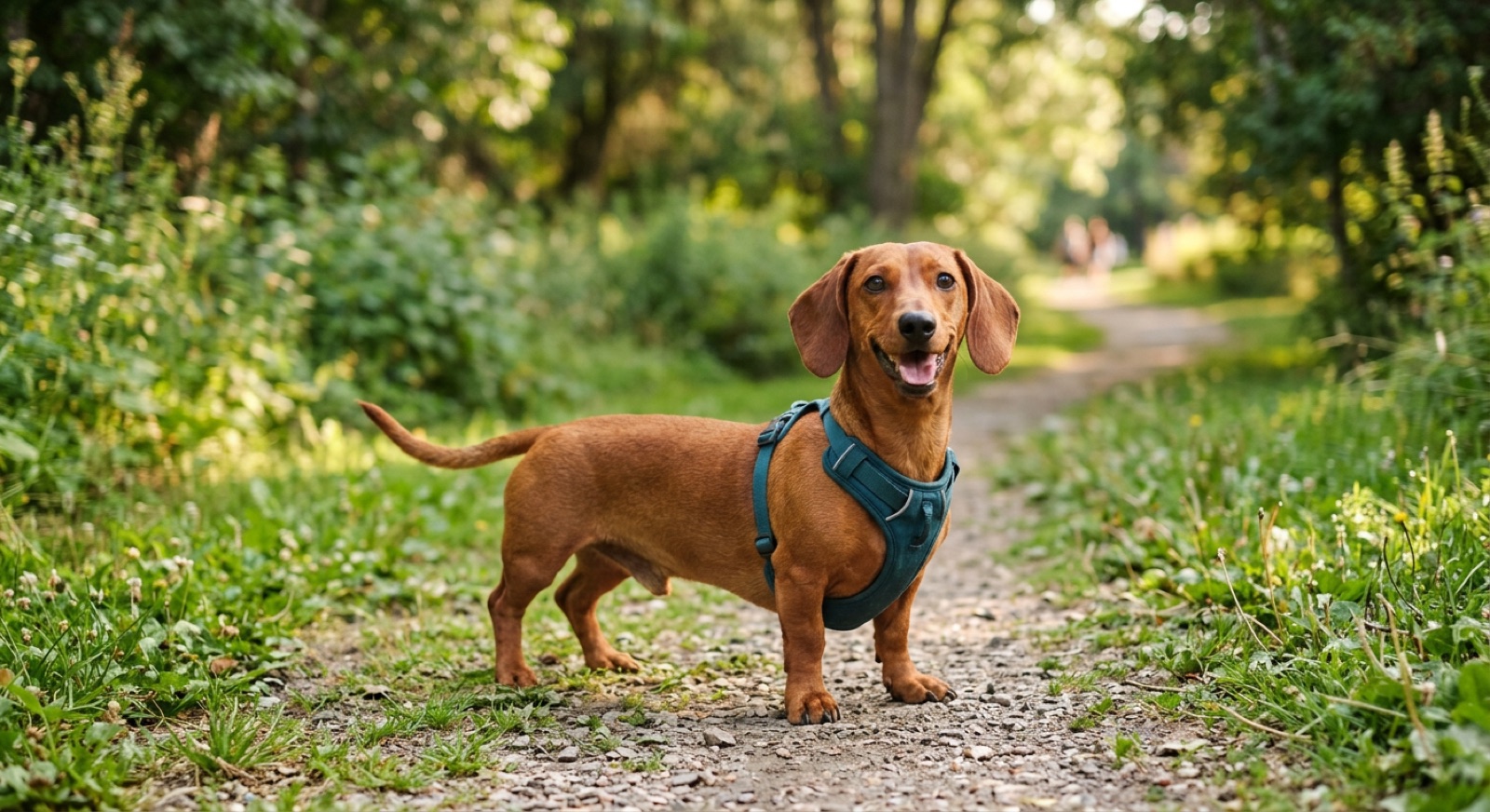
Why Dachshunds end up needing a new home
The Canadian Kennel Club describes the Dachshund as "clever, lively and courageous," a persistent little hound that does not know the meaning of shy. The surrender reasons are mostly about the body and the voice, not the personality:
- IVDD vet bills. The long, low spine makes Dachshunds the poster breed for intervertebral disc disease, and surgery for a ruptured disc can run into five figures. This is the breed's defining surrender driver: Alberta Dachshund Rescue reports that of the 29 dachshunds surrendered to them in 2022, eight had IVDD.
- Barking. Dachshunds are alert badger hounds with a big-dog bark, and in an apartment or a quiet cul-de-sac the volume generates real friction.
- House-training that never finished. The breed is notoriously slow to house-train, and years of intermittent accidents wear a household down.
- An aging owner. Dachshunds are a favourite of older owners, and when the owner moves into care or passes away, the dog needs a new home through nobody's fault. Our guide to rehoming a senior dog covers the older-dog version of this situation.
- Stubbornness. A hound bred to make decisions alone underground does not do obedience for free, which surprises owners expecting a lap-dog temperament.
None of this means your dog is a problem. It means a strong-willed little hound with a fragile back met circumstances that changed, and a careful rehoming fixes exactly that.
The screening priorities unique to Dachshunds
A general rehoming guide tells you to screen adopters. For a Dachshund, the screening is mostly about protecting the spine.
1. A back-aware home. Ask adopters whether they know what IVDD is. The right home will use ramps or steps to furniture, discourage jumping on and off couches and beds, carry the dog on stairs where practical, and keep it lean, because extra weight loads the spine. An adopter who has owned a Dachshund before usually volunteers all of this unprompted, which is the best sign you can get.
2. Financial readiness for a back emergency. Ask how the household would handle a major vet bill and whether they have pet insurance or savings. Disc surgery is one of the more expensive procedures in companion-animal medicine, and the crisis arrives suddenly. This question is not rude. It is the single best predictor of whether your dog gets treatment or gets surrendered again if a disc goes.
3. Patience for the breed's habits. Confirm the adopter can live with alert barking and a dog that may never be perfectly house-trained. A home that expects a silent, biddable lap dog is the wrong home, however loving.
How long it realistically takes
Small, cute, apartment-sized dogs are the most in-demand category in Canadian rehoming, so a healthy young or adult Dachshund with honest photos and a fair fee typically places in two to five weeks, and interest often arrives within days. Seniors take longer but have a real following among experienced small-dog owners. A dog with an IVDD history or an active back problem takes the longest and needs a specifically matched home, and for those dogs a breed rescue with IVDD-experienced fosters is often the better first call, so run both channels at once rather than waiting on either.
What you must disclose
Dachshund disclosure starts and ends with the back, and it is the one place where an omission can genuinely hurt the dog.
- Back history, completely. Any IVDD diagnosis, yelping when picked up, hind-end wobbling, a reluctance to jump that appeared suddenly, crate rest your vet prescribed, or surgery. Share the vet records. A new home that does not know is a home that lets the dog leap off the couch onto hardwood.
- Weight. Current weight and body condition, because lean is spinal protection for this breed.
- House-training reality. Where the dog actually is, not where you hoped it would be by now. Experienced Dachshund homes expect imperfection.
- Barking pattern. What sets it off and how long it lasts.
- Handling quirks. Some Dachshunds guard laps, resent rough handling, or are snippy with grabby toddlers. Say what you have observed.
The honest listing attracts the Dachshund-experienced adopter, and that adopter is the one who keeps the dog for life.
Dachshund rescues and where to ask
Dachshund-specific rescue in Canada is genuinely strong, with regional organizations that understand IVDD and fund treatment. Intake depends on foster space and medical budget, so contact them early and list on LocalPetFinder in parallel. Verified Canadian options:
Should you charge a rehoming fee?
Charge a modest rehoming fee. For a healthy adult Dachshund a fee in the low hundreds is normal in Canada (this is a directional range, not a fixed rule). Small, popular breeds are exactly what resellers and free-animal collectors target, so a real fee is your first filter, alongside a vet reference. If your dog has an IVDD history, be upfront about it and price honestly rather than discounting the dog to move it faster; the right home cares about the history, not the price. You can donate the fee to a dachshund rescue afterward if you would rather not keep it.
How LocalPetFinder rehoming works
- Submit a free listing at /rehome/submit. Photos, age, breed, spay or neuter status, compatibility, an honest behavioural profile, your reason for rehoming, and a fee. The form takes about 5 minutes and your dog never leaves your home.
- We review it for completeness and basic safety, usually within 24 to 48 hours, then it goes live.
- Your Dachshund appears alongside rescue dogs on the Dachshund listings and the main adoption pages, marked “Owner Rehoming.” Your email stays private.
- You screen and choose. Vetted adopters reach you through a verified contact form. You decide who to respond to, who to meet, and who gets the dog.
Ready to rehome your Dachshund responsibly?
List your Dachshund on LocalPetFinder for free. Your listing appears next to rescue dogs, you control the screening, and we never share your email publicly.
Start Your Free Listing →Anti-scam rules (read every line)
- Never list as “free to good home.” A fair fee is the single best filter against flippers and bad-faith adopters.
- Insist on a meet-and-greet, ideally at the adopter's home. Anyone who refuses a home check is hiding their living situation.
- Be suspicious of anyone offering more than your fee, or pushing for a fast, no-questions handover.
- Get a written agreement and a vet reference, transfer the microchip registration, and prefer e-transfer over cash for a paper trail.