The short answer
Rehome your dog on LocalPetFinder, free
List your dog at no cost. They stay home until the right family is found, you screen adopters through a verified contact form, and you choose who adopts. Reviewed within 24 to 48 hours.
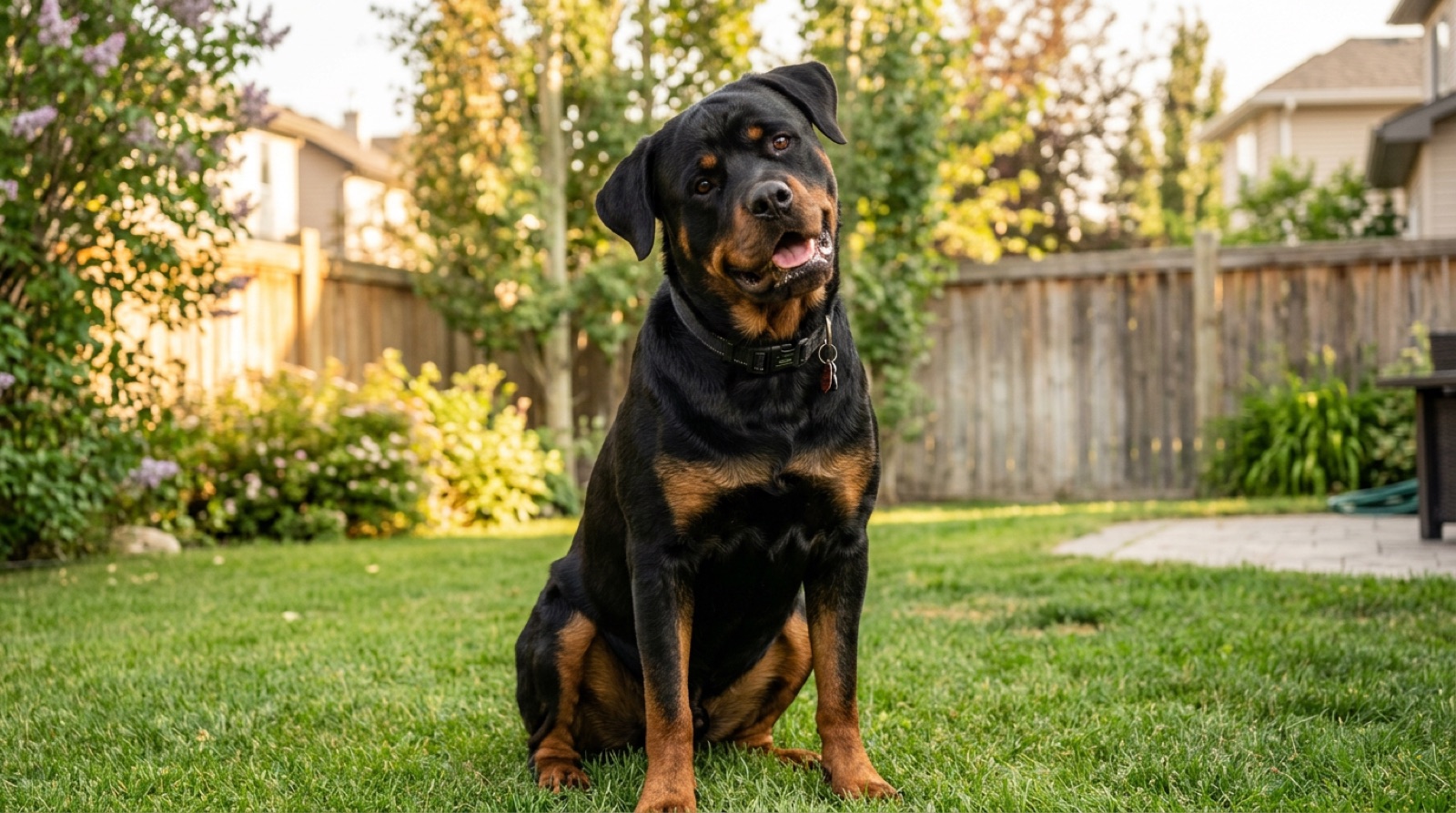
Why Rottweilers end up needing a new home
The Canadian Kennel Club describes the Rottie as "basically calm and confident," a working dog that does best with space, exercise, and early training. The surrender patterns reflect the breed's size and its reputation more than its temperament:
- Housing and insurance restrictions. The most common trigger. Many landlords, condo boards, and some home insurers keep breed lists that include Rottweilers, so a move or a policy change can force the decision even when the dog has done nothing wrong.
- Size and strength beyond the owner. A full-grown Rottie can outweigh its handler's ability to control it on leash, especially for aging owners or after an illness.
- Cost of a large breed. Food, preventives, and vet bills all scale with a 100-pound dog, and the breed's joint and health issues can mean major expenses.
- Guarding behaviour without training investment. Rottweilers are natural guardians. Without early socialization and structure, that becomes door reactivity and stranger suspicion the household cannot manage.
- Bought for the image. Some Rotties are acquired as a status or protection dog, then surrendered when the owner meets the training workload behind the look.
None of this means your dog is broken. It means a big guardian breed ran into rules and costs the household could not absorb, and a careful rehoming into the right home is the fix.
Screening a Rottweiler: housing first, experience second
For most breeds you screen for lifestyle fit. For a Rottweiler you screen for legality first, because the most common way a Rottie placement fails has nothing to do with the dog.
1. Verify the housing in writing. Ask every applicant directly: do you own your home, and if not, does your lease or condo bylaw allow a Rottweiler by name and by weight? Ask them to show you the pet clause or a landlord email. Also ask whether their home or tenant insurance has a breed exclusion. An adopter who has not checked is not being dishonest, they are being optimistic, and optimism is what gets a dog moved twice. This one check is the difference between a placement that lasts and a dog back in your kitchen in three months.
2. Look for big-dog experience and physical capability. The right home has handled large, strong dogs before, has a plan for daily exercise and continued training, and is not drawn mainly to the breed's tough image. Ask what dogs they have owned and what this dog's daily routine would look like. Be wary of anyone who leads with wanting protection.
3. Match the actual dog, not the breed sheet. A soft, social Rottie can thrive in a family home. A dog with guarding habits needs an experienced adopter with structure. Describe the dog in front of you, not the ideal.
The realistic timeline, and what to do if it stalls
Be honest with yourself about time. A friendly, healthy Rottweiler with an honest listing typically takes several weeks to a couple of months to place, longer than a retriever or a doodle, because the housing and insurance barriers remove a large share of otherwise good homes from the pool. Start the search the moment rehoming becomes likely, not the week before a move.
If weeks pass without a suitable applicant, do not lower your screening standards. Widen the search instead: refresh the photos, be more specific in the description about what the dog is actually like to live with, share the listing with your vet clinic and any trainers you have used, and contact all-breed rescues with big-dog foster experience. Our guide on what to do if you can't find an adopter covers the full playbook, including the options that are still safer than a shelter surrender.
What you must disclose
For a powerful guardian breed, disclosure is not just ethics, it is safety and, practically speaking, your legal cover.
- Any bite, nip, or serious incident, with context. What happened, what triggered it, what has been done since. Hiding a bite history hands an unprepared home a dog it cannot safely manage, and the placement fails fast. For a dog with a serious bite history, talk to a qualified trainer or behaviour professional before rehoming at all.
- Guarding and reactivity patterns. Doors, fences, food, strangers, other dogs. An experienced home can work with all of these if it knows.
- Behaviour around children and other pets. Say what you have actually observed, not what you hope.
- Health. Rottweilers are prone to hip and elbow dysplasia and cruciate injuries, and the breed carries an elevated bone cancer risk, so disclose any limping, surgery, or diagnosis and share vet records.
An honest listing filters out the wrong homes on its own. The adopter who reads all of it and still applies is the one you want.
Rottweiler rescues and where to ask
Here is the honest picture: we cannot currently verify a dedicated Rottweiler rescue in Canada that reliably accepts owner surrenders. The Rottweiler Club of Canada does not take dogs directly, but it cross-posts rehoming notices through its network and recommends contacting your dog's breeder first, since responsible breeders take their dogs back. Beyond that, your best organizational options are all-breed rescues with large-guardian-breed foster experience in your province. Contact them early and list on LocalPetFinder in parallel rather than waiting.
Should you charge a rehoming fee?
Charge a rehoming fee. For a healthy adult Rottweiler a couple of hundred dollars is normal in Canada, often in the $200 to $500 range depending on the dog and what is included (this is a directional range, not a fixed rule). The fee matters more for this breed than most: free Rottweiler listings attract exactly the wrong audience, people chasing a cheap guard dog, backyard breeders, and worse. A real fee plus a vet reference filters most of them out. You can donate the fee to a rescue afterward if you would rather not keep it.
How LocalPetFinder rehoming works
- Submit a free listing at /rehome/submit. Photos, age, breed, spay or neuter status, compatibility, an honest behavioural profile, your reason for rehoming, and a fee. The form takes about 5 minutes and your dog never leaves your home.
- We review it for completeness and basic safety, usually within 24 to 48 hours, then it goes live.
- Your Rottweiler appears alongside rescue dogs on the Rottweiler listings and the main adoption pages, marked “Owner Rehoming.” Your email stays private.
- You screen and choose. Vetted adopters reach you through a verified contact form. You decide who to respond to, who to meet, and who gets the dog.
Ready to rehome your Rottweiler responsibly?
List your Rottweiler on LocalPetFinder for free. Your listing appears next to rescue dogs, you control the screening, and we never share your email publicly.
Start Your Free Listing →Anti-scam rules (read every line)
- Never list as “free to good home.” A fair fee is the single best filter against flippers and bad-faith adopters.
- Insist on a meet-and-greet, ideally at the adopter's home. Anyone who refuses a home check is hiding their living situation.
- Be suspicious of anyone offering more than your fee, or pushing for a fast, no-questions handover.
- Get a written agreement and a vet reference, transfer the microchip registration, and prefer e-transfer over cash for a paper trail.