The short answer
Rehome your dog on LocalPetFinder, free
List your dog at no cost. They stay home until the right family is found, you screen adopters through a verified contact form, and you choose who adopts. Reviewed within 24 to 48 hours.
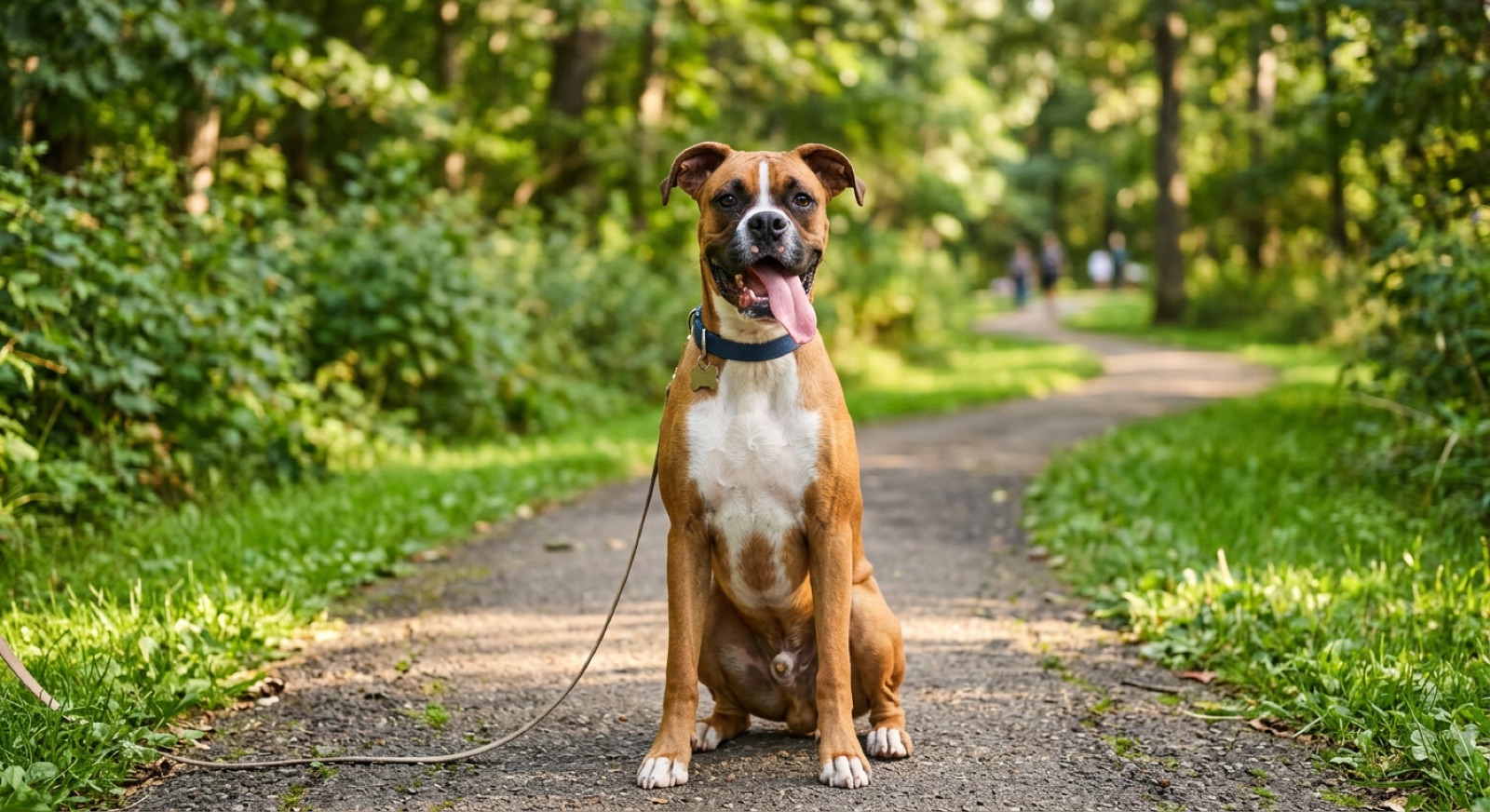
Why Boxers end up needing a new home
The Canadian Kennel Club describes the Boxer as "alert and fearless, willing to make friends," a playful working dog that needs regular exercise. The surrender patterns are about everything around that temperament, not the temperament itself:
- Adolescent bounce meets small children. Boxers stay puppy-brained for years and greet the people they love at chest height. A 60-pound dog that body-checks a toddler out of pure joy is the classic Boxer surrender story, and it is exuberance, not aggression.
- Vet costs. Boxers carry an elevated lifetime cancer risk and are prone to breed-specific heart conditions, and treating either is a major expense. When money tightens, a Boxer is a costly dog to keep, which is why financial change is a common trigger. If that is your situation, our guide to rehoming due to financial hardship walks through it without judgement.
- Heat and cold sensitivity. A short muzzle and a thin coat mean Boxers overheat quickly in summer and shiver in a Canadian winter, which limits exercise options in both seasons.
- Velcro attachment and separation trouble. Boxers are people dogs. Left alone long days, many become anxious, vocal, or destructive.
- Strength beyond the household. An untrained adult Boxer on leash is a lot of dog for an aging or smaller owner.
None of this means your dog is a problem. It means a big-hearted, expensive, bouncy breed outgrew the household's season of life, and a thoughtful rehoming fixes exactly that.
The two screening priorities unique to Boxers
A general rehoming guide tells you to screen adopters. For a Boxer, two checks matter more than anything else.
1. A home that can genuinely afford the breed. Ask adopters directly how they would handle a major vet bill and whether they have pet insurance or savings for it. This is not rude. Boxers are prone to heart conditions and carry one of the higher cancer risks among popular breeds, and the single best predictor of whether your dog stays in the new home is whether that home can absorb a serious diagnosis. An adopter who has owned a Boxer before usually knows this already, which is one reason experienced Boxer homes are gold.
2. Realistic expectations about energy, attachment, and climate. Ask what a typical day looks like. The right home exercises the dog daily in the cool parts of the day, does not leave it alone for nine-hour stretches, and understands that a Boxer will be physically on top of its people for a decade. Confirm the adopter knows a short-muzzled dog cannot be a summer running partner or a backyard dog in January. A home that wants a low-contact, outdoor, or weekend dog is the wrong home, no matter how kind.
How long it realistically takes
Boxers have a loyal following, and many adopters specifically seek the breed out, so a healthy, friendly adult with honest photos and a fair fee typically places in two to six weeks. Young dogs move fastest. Seniors and dogs with a heart or cancer diagnosis take longer and need a carefully matched home, and for those dogs a breed rescue with medical fosters can genuinely be the better path, so run both channels at once. Whatever the timeline, do not compress the screening. A Boxer bounced from a failed placement takes the move harder than most breeds because of how intensely they attach.
What you must disclose
Boxer disclosure is mostly medical, and it is the part that decides whether the placement survives the first vet visit.
- Heart history. Any murmur, arrhythmia, fainting episode, or cardiology workup, with records. Boxer-specific heart disease can be silent, so share whatever screening has or has not been done.
- Lumps and bumps. Boxers grow masses, benign and otherwise. List anything a vet has checked and anything new you have found.
- Greeting style around kids. The jumping and mouthing, honestly described. Most Boxer-experienced homes expect it; a first-time home with a toddler needs to know.
- Alone-time behaviour. Whining, barking, destruction, or a camera recording if you have one.
- Heat episodes. If your dog has ever overheated, say so. It changes how the new home exercises the dog for life.
Full vet records plus an honest behaviour paragraph filters for the home that keeps the dog for good.
Boxer rescues and where to ask
Boxer breed rescue in Canada exists but is concentrated in Ontario, so owners elsewhere should lean on direct rehoming and all-breed rescues in parallel. The verified Canadian option:
Should you charge a rehoming fee?
Charge a rehoming fee. For a healthy adult Boxer a few hundred dollars is normal in Canada, commonly in the $300 to $600 range depending on age and what is included (this is a directional range, not a fixed rule). Boxers are a recognizable, desirable breed, and a free-to-good-home post attracts people who resell dogs or acquire them for the wrong reasons. A real fee filters them out and signals to genuine adopters that you take the dog's welfare seriously. If your dog has a heart or cancer diagnosis, be upfront and price accordingly, or lean on a breed rescue. You can donate the fee afterward if you would rather not keep it.
How LocalPetFinder rehoming works
- Submit a free listing at /rehome/submit. Photos, age, breed, spay or neuter status, compatibility, an honest behavioural profile, your reason for rehoming, and a fee. The form takes about 5 minutes and your dog never leaves your home.
- We review it for completeness and basic safety, usually within 24 to 48 hours, then it goes live.
- Your Boxer appears alongside rescue dogs on the Boxer listings and the main adoption pages, marked “Owner Rehoming.” Your email stays private.
- You screen and choose. Vetted adopters reach you through a verified contact form. You decide who to respond to, who to meet, and who gets the dog.
Ready to rehome your Boxer responsibly?
List your Boxer on LocalPetFinder for free. Your listing appears next to rescue dogs, you control the screening, and we never share your email publicly.
Start Your Free Listing →Anti-scam rules (read every line)
- Never list as “free to good home.” A fair fee is the single best filter against flippers and bad-faith adopters.
- Insist on a meet-and-greet, ideally at the adopter's home. Anyone who refuses a home check is hiding their living situation.
- Be suspicious of anyone offering more than your fee, or pushing for a fast, no-questions handover.
- Get a written agreement and a vet reference, transfer the microchip registration, and prefer e-transfer over cash for a paper trail.