The short answer
Rehome your dog on LocalPetFinder, free
List your dog at no cost. They stay home until the right family is found, you screen adopters through a verified contact form, and you choose who adopts. Reviewed within 24 to 48 hours.
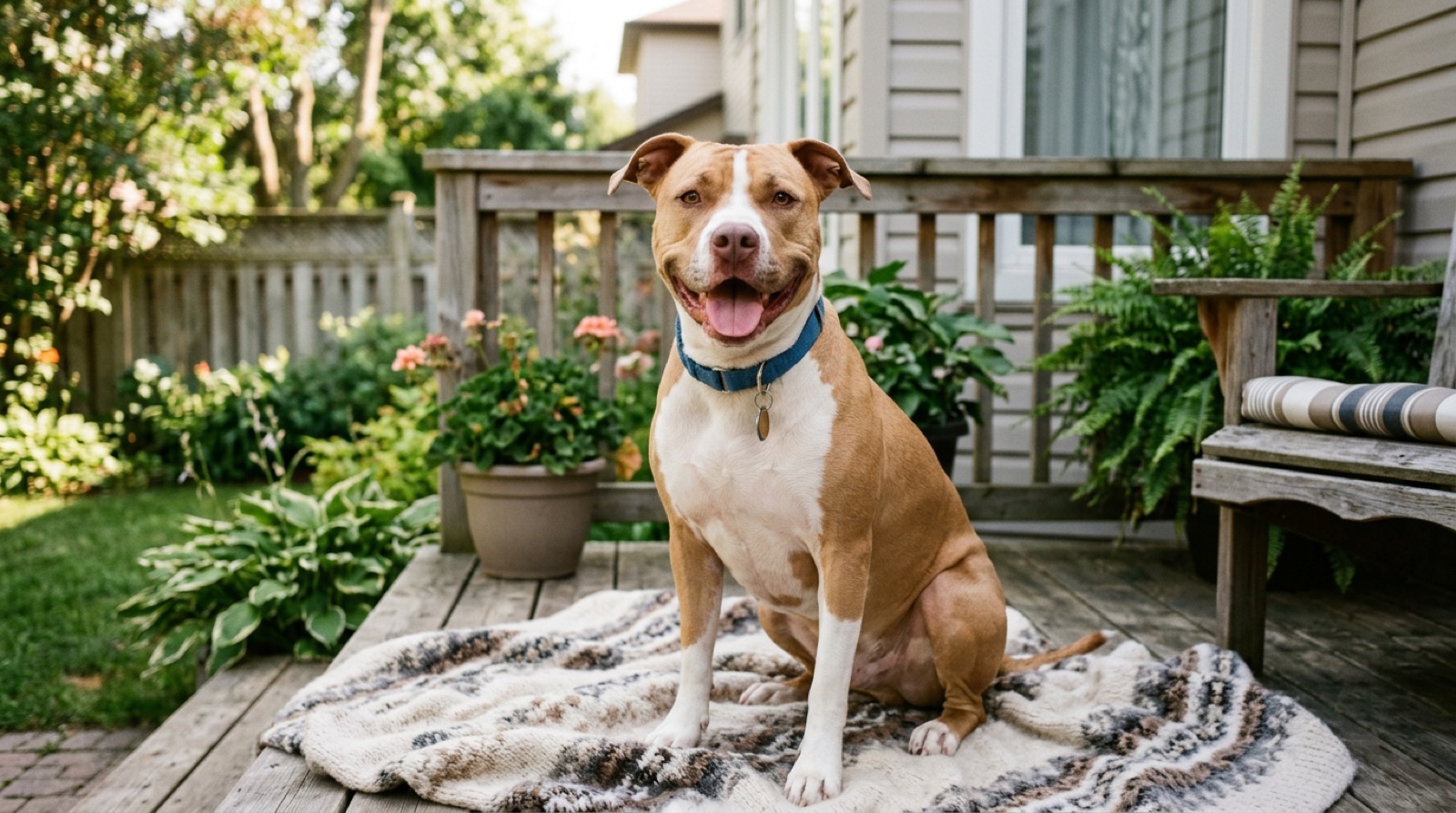
Why pit bulls end up needing a new home
For most pit-bull-type dogs, the reason for rehoming is paperwork and housing, not behaviour. The same handful of situations come up again and again:
- Rental and condo restrictions. The single biggest driver. A new landlord, a building that changed its pet policy, or a condo board that bans the breed can leave a responsible owner with no legal way to keep the dog where they live.
- Home insurance refusals. Some Canadian insurers refuse or surcharge policies for households with pit-bull-type dogs, which can force a choice between coverage and the dog.
- A move to a city or province with breed rules. Rules vary across Canada. Ontario restricts pit bulls province-wide, and some municipalities elsewhere have their own bylaws, so a move can suddenly make the breed a legal problem (more on this below).
- Life changes. A new baby, a relationship ending, a job relocation, or a health or financial setback. These hit every breed, but for a strong, high-energy dog the pressure shows up faster.
- Underestimating the dog. Pit bulls are strong, athletic, and people-focused. An owner who did not plan for the exercise, training, and management sometimes reaches a wall, even though the dog is sound.
None of these means your dog is dangerous or unlovable. It means the circumstances changed, and a thoughtful rehoming is exactly the right fix. Bully breeds are consistently among the most affectionate, family-oriented dogs in rescue, which works in your favour when you place yours.
The two screening priorities unique to pit bulls
A general rehoming guide tells you to screen adopters. For a pit-bull-type dog, two checks matter more than anything else, and getting them right is what keeps your dog from bouncing back to you, or worse, ending up somewhere it is not legally allowed.
1. Confirm the new home can legally and practically keep the breed, in writing. This is the step most owners skip. Before you hand over the dog, confirm three things: their housing actually permits a pit-bull-type dog (ask to see the lease clause or condo rule, not just a verbal yes), their home insurance will not refuse or cancel over the breed, and their municipality does not restrict it. A move into a building or city that bans the breed is one of the most common reasons a placement fails, so verifying this upfront protects your dog from a second surrender.
2. Disclose temperament honestly, especially with other dogs and kids. Many pit bulls are excellent with children and people; dog-to-dog tolerance varies a lot by individual. Be completely honest about how your dog does with other dogs, cats, and children, and what management it needs. Adopters who know exactly what they are taking on make placements that stick. Hiding a reactivity or resource-guarding issue just sends the problem to the next home and puts the breed's reputation, and your dog, at risk.
Pit Bull rescues and where to ask
Breed-specific rescues are a strong option, but bully-breed rescue intake in Canada is limited and often paused because foster space fills up, so do not count on a guaranteed spot. Contact them early and list on LocalPetFinder in parallel. A few verified Canadian options:
Should you charge a rehoming fee?
Charge a rehoming fee. For a healthy adult pit bull a few hundred dollars is normal in Canada, commonly in the $200 to $500 range depending on the dog and what is included, such as up-to-date vaccinations and spay or neuter (this is a directional range, not a fixed rule). The fee matters for this breed because bully-breed listings can attract people looking for cheap or free dogs for the wrong reasons, including fighting and breeding. A real fee, a vet reference, and honest screening filter those people out. You can donate the fee to a bully-breed rescue afterward if you would rather not keep it.
How LocalPetFinder rehoming works
- Submit a free listing at /rehome/submit. Photos, age, breed, spay or neuter status, compatibility, an honest behavioural profile, your reason for rehoming, and a fee. The form takes about 5 minutes and your dog never leaves your home.
- We review it for completeness and basic safety, usually within 24 to 48 hours, then it goes live.
- Your Pit Bull appears alongside rescue dogs on the Pit Bull listings and the main adoption pages, marked “Owner Rehoming.” Your email stays private.
- You screen and choose. Vetted adopters reach you through a verified contact form. You decide who to respond to, who to meet, and who gets the dog.
Ready to rehome your Pit Bull responsibly?
List your Pit Bull on LocalPetFinder for free. Your listing appears next to rescue dogs, you control the screening, and we never share your email publicly.
Start Your Free Listing →Anti-scam rules (read every line)
- Never list as “free to good home.” A fair fee is the single best filter against flippers and bad-faith adopters.
- Insist on a meet-and-greet, ideally at the adopter's home. Anyone who refuses a home check is hiding their living situation.
- Be suspicious of anyone offering more than your fee, or pushing for a fast, no-questions handover.
- Get a written agreement and a vet reference, transfer the microchip registration, and prefer e-transfer over cash for a paper trail.