The short answer
Rehome your dog on LocalPetFinder, free
List your dog at no cost. They stay home until the right family is found, you screen adopters through a verified contact form, and you choose who adopts. Reviewed within 24 to 48 hours.
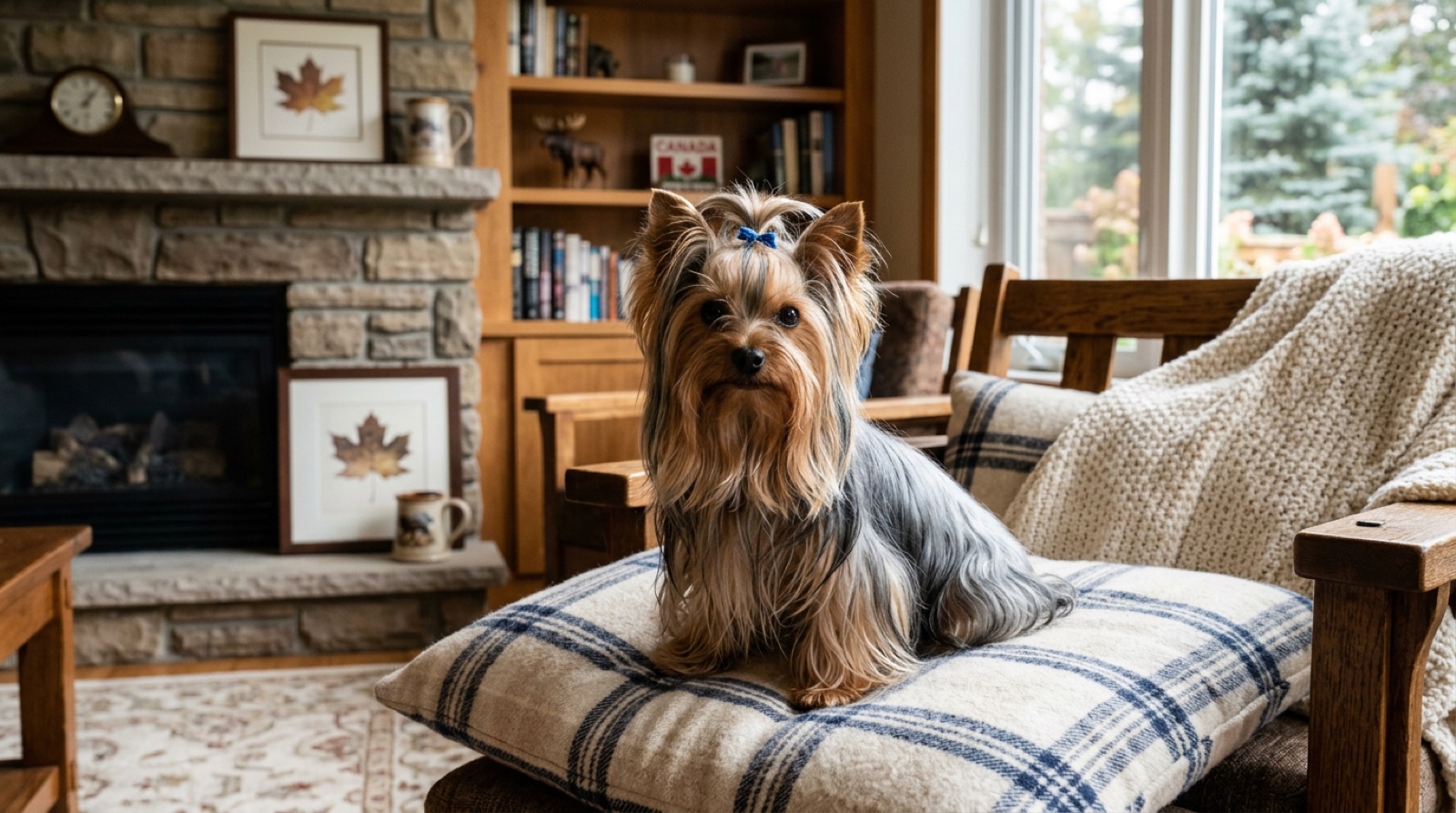
Why Yorkies end up needing a new home
Most Yorkie surrenders are about a change in the owner's life or a mismatch with the breed's small-dog nature, not a dog that did anything wrong. Underneath the silky coat is a true terrier. The American Kennel Club describes the Yorkie as feisty, brave, and sometimes bossy, a breed that earned its keep as a ratter long before it became a lapdog. That spirited streak surprises owners who expected a quiet ornament.
The reasons owners reach the rehoming decision tend to cluster:
- Small-dog behaviour that grew with age. Yappiness, snapping when startled, resource guarding of a person or a spot on the couch, and reactivity to bigger dogs are common in under-socialized Yorkies. These are manageable, but they wear on a household that did not expect them.
- A new baby or a major life change. A territorial small dog and a newborn can be a hard mix, and a move, a relationship change, or a health crisis can make caring for any dog impossible. See our guide to rehoming after a new baby if that is your situation.
- Health costs. Yorkies are prone to luxating patella (a slipping kneecap), a fragile windpipe that makes collar pressure risky, dental disease, and, in very young or very tiny pups, hypoglycemia. Surgery or ongoing care can run into the thousands, and that bill pushes some owners to rehome.
- Fragility around young children. A toy dog and a toddler are a poor match in both directions, and homes with small kids sometimes realize the dog is not safe in their household.
None of this means your dog is unadoptable. It means the situation changed, which is exactly what a thoughtful rehoming is for.
The screening priorities unique to a Yorkie
A general rehoming guide tells you to screen adopters. For a Yorkie, a few breed-specific checks matter more than the rest, and getting them right is the difference between a placement that sticks and a dog that bounces back to you.
1. A calm, adult-oriented home. The strongest Yorkie placements are usually quiet households: a retiree, a couple, a single adult, or a family with older, gentle children. If your dog is territorial, snappy, or noise-sensitive, say so plainly and steer toward homes without toddlers or chaos. A small dog that guards or snaps is not a flaw to hide, it is a fact the right home needs in order to set the dog up to succeed.
2. Honest behaviour and health disclosure. Write down the real dog: how it reacts to strangers, other dogs, being picked up, food, and being left alone. List any luxating patella, dental work, heart murmur, tracheal sensitivity, or medication. Adopters who get the truth up front make a lasting commitment. Adopters who get a surprise return the dog.
3. Resale and scam awareness. Yorkies are valuable and easy to flip, which makes them a target. Charge a real fee, ask why the adopter wants this specific dog, request a vet reference, and never hand the dog over sight-unseen or in a parking lot. A harness rather than a collar protects the windpipe, so it is worth confirming the new home understands that too.
Yorkshire Terrier rescues and where to ask
Breed-specific and small-breed rescues are a good option, but intake is volunteer-run and often full, so contact them early and list on LocalPetFinder in parallel rather than waiting on a guaranteed spot. A few verified Canadian options:
Should you charge a rehoming fee?
Charge a rehoming fee. For a healthy Yorkie a few hundred dollars is normal in Canada, often in the $200 to $600 range depending on age, health, and what is included (this is a directional range, not a fixed rule). The fee matters because Yorkies are small, valuable, and easy to resell, so a free-to-good-home listing genuinely attracts people who pose as an adopter and then flip the dog. A real fee filters those people out and signals to good adopters that you take the dog's welfare seriously. You can donate it to a small-breed rescue afterward if you would rather not keep it.
How LocalPetFinder rehoming works
- Submit a free listing at /rehome/submit. Photos, age, breed, spay or neuter status, compatibility, an honest behavioural profile, your reason for rehoming, and a fee. The form takes about 5 minutes and your dog never leaves your home.
- We review it for completeness and basic safety, usually within 24 to 48 hours, then it goes live.
- Your Yorkshire Terrier appears alongside rescue dogs on the Yorkshire Terrier listings and the main adoption pages, marked “Owner Rehoming.” Your email stays private.
- You screen and choose. Vetted adopters reach you through a verified contact form. You decide who to respond to, who to meet, and who gets the dog.
Ready to rehome your Yorkshire Terrier responsibly?
List your Yorkshire Terrier on LocalPetFinder for free. Your listing appears next to rescue dogs, you control the screening, and we never share your email publicly.
Start Your Free Listing →Anti-scam rules (read every line)
- Never list as “free to good home.” A fair fee is the single best filter against flippers and bad-faith adopters.
- Insist on a meet-and-greet, ideally at the adopter's home. Anyone who refuses a home check is hiding their living situation.
- Be suspicious of anyone offering more than your fee, or pushing for a fast, no-questions handover.
- Get a written agreement and a vet reference, transfer the microchip registration, and prefer e-transfer over cash for a paper trail.