The short answer
Rehome your dog on LocalPetFinder, free
List your dog at no cost. They stay home until the right family is found, you screen adopters through a verified contact form, and you choose who adopts. Reviewed within 24 to 48 hours.
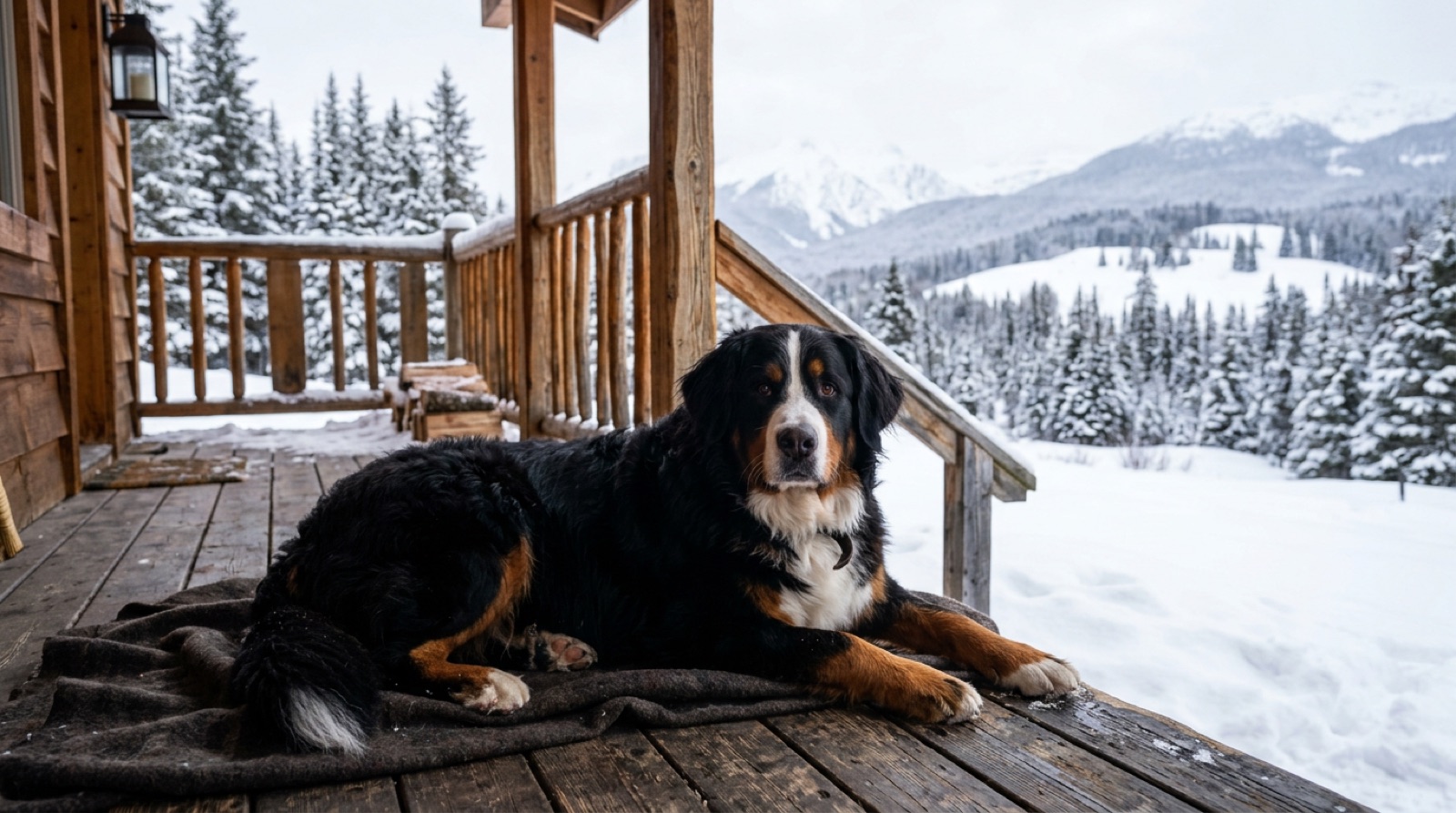
Why Bernese Mountain Dogs end up needing a new home
Most Berner surrenders are not about temperament. The breed is famously gentle and good with children, and the Canadian Kennel Club classes it as a calm, faithful working dog. What pushes owners to rehome is almost always the cost and the care load of a large, health-prone breed.
The recurring reasons owners reach the rehoming decision:
- The cost of a giant breed. Food, preventives, and vet bills all scale with size. When money gets tight, a Berner is expensive to keep, which is why financial change is one of the most common triggers.
- Health problems that are costly and hard to watch. Bernese Mountain Dogs are prone to joint disease (hip and elbow dysplasia) and have an elevated lifetime cancer risk compared with many breeds, which can mean major vet costs and a shorter life than owners expect.
- Heat sensitivity. Berners were bred for the cold Swiss Alps and carry a heavy double coat. They overheat easily, and owners in hot summers often realize they cannot give the dog the climate-managed life it needs.
- Grooming and shedding. A heavy double coat sheds year-round and blows out seasonally, which surprises owners who did not plan for the brushing and cleanup.
- Housing and size limits. Many apartments and rentals will not allow a dog this large, so a move can force the decision.
None of this means your dog is a problem. It means a big, health-prone breed outgrew your circumstances, which is exactly the kind of situation a thoughtful rehoming fixes.
The two screening priorities unique to Bernese Mountain Dogs
A general rehoming guide tells you to screen adopters. For a Berner, two checks matter more than anything else, because both protect a large, health-sensitive dog from landing somewhere that cannot care for it properly.
1. A home that can genuinely afford a giant breed. Bernese Mountain Dogs come with real costs: more food, larger doses of every medication, and a breed-typical risk of joint disease and cancer that can mean expensive treatment. Ask adopters directly how they would handle a major vet bill, and whether they have pet insurance or savings set aside. This is not rude, it is the single best predictor of whether your dog stays in the home when a health problem appears. If you are rehoming partly for cost reasons yourself, our guide to rehoming due to financial hardship walks through the same questions from the owner side.
2. Honest awareness of heat sensitivity. Berners overheat fast because of the heavy double coat. A good adopter should understand that the dog needs shade, air conditioning or a cool space in summer, exercise limited to cool mornings and evenings, and never being left in a hot car or yard. Ask what their summer routine looks like. A home that treats a Berner like a heat-tolerant retriever is a poor match. Disclose anything you have learned about how your own dog copes with heat so the new home can plan for it.
Bernese Mountain Dog rescues and where to ask
Breed-specific rescue is a strong option for Bernese Mountain Dogs, but intake depends on foster space and is sometimes paused, so contact them early and list on LocalPetFinder in parallel rather than waiting. The main verified Canadian option:
Should you charge a rehoming fee?
Charge a fair rehoming fee. For a healthy Bernese Mountain Dog a few hundred dollars is normal in Canada, commonly in the $300 to $700 range depending on the dog, its age and health, and what is included such as recent vetting (this is a directional range, not a fixed rule). A real fee does two things: it filters out people who collect free animals or flip desirable breeds, and it signals to good adopters that you take the dog's welfare seriously. If you would rather not keep the money, you can donate it to a Bernese Mountain Dog rescue afterward.
How LocalPetFinder rehoming works
- Submit a free listing at /rehome/submit. Photos, age, breed, spay or neuter status, compatibility, an honest behavioural profile, your reason for rehoming, and a fee. The form takes about 5 minutes and your dog never leaves your home.
- We review it for completeness and basic safety, usually within 24 to 48 hours, then it goes live.
- Your Bernese Mountain Dog appears alongside rescue dogs on the Bernese Mountain Dog listings and the main adoption pages, marked “Owner Rehoming.” Your email stays private.
- You screen and choose. Vetted adopters reach you through a verified contact form. You decide who to respond to, who to meet, and who gets the dog.
Ready to rehome your Bernese Mountain Dog responsibly?
List your Bernese Mountain Dog on LocalPetFinder for free. Your listing appears next to rescue dogs, you control the screening, and we never share your email publicly.
Start Your Free Listing →Anti-scam rules (read every line)
- Never list as “free to good home.” A fair fee is the single best filter against flippers and bad-faith adopters.
- Insist on a meet-and-greet, ideally at the adopter's home. Anyone who refuses a home check is hiding their living situation.
- Be suspicious of anyone offering more than your fee, or pushing for a fast, no-questions handover.
- Get a written agreement and a vet reference, transfer the microchip registration, and prefer e-transfer over cash for a paper trail.