The short answer
Rehome your dog on LocalPetFinder, free
List your dog at no cost. They stay home until the right family is found, you screen adopters through a verified contact form, and you choose who adopts. Reviewed within 24 to 48 hours.
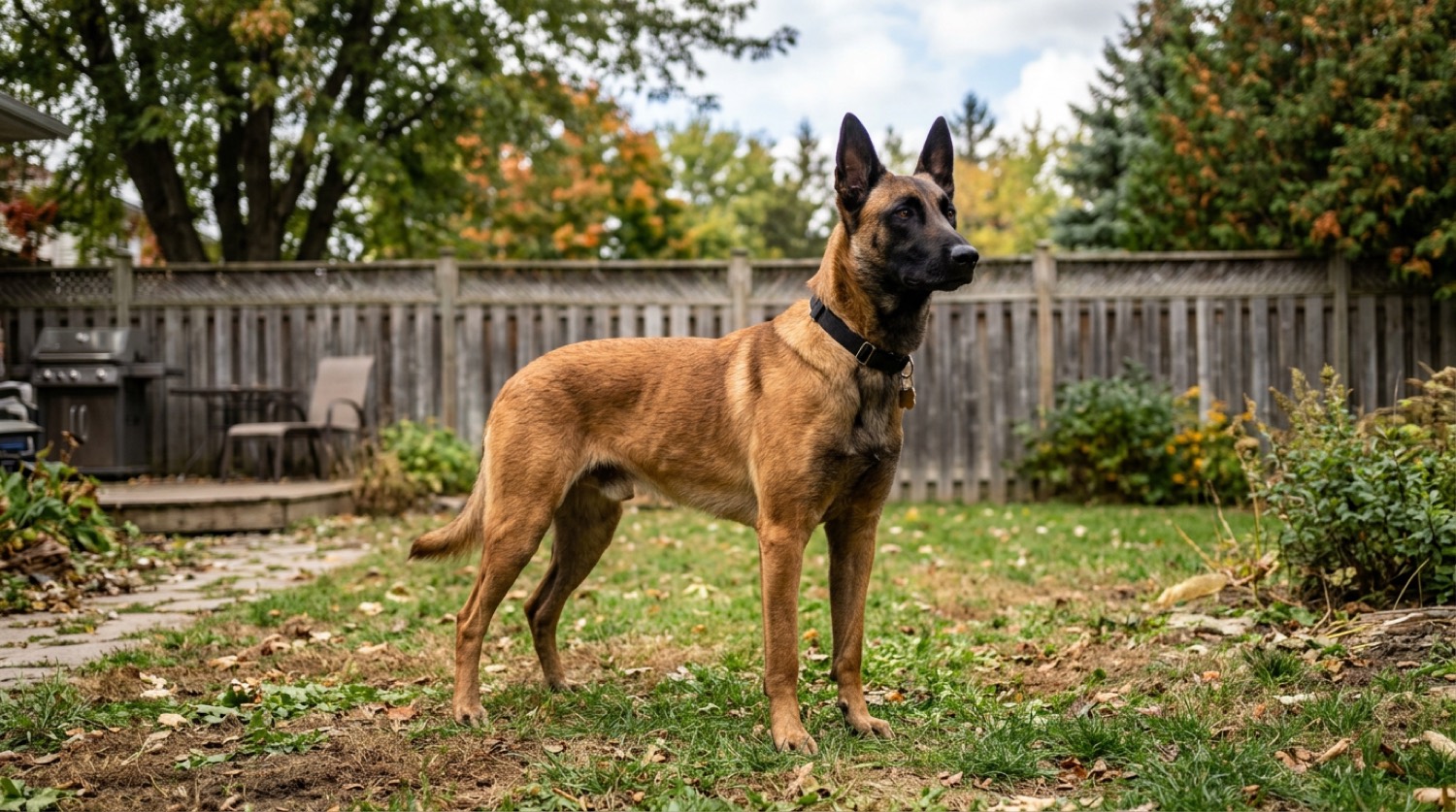
Why Belgian Malinois end up needing a new home
Almost every Malinois surrender traces to the same root cause: a working dog ended up in a home that wanted a pet. The breed was developed for herding and is now one of the world's top police, military, and protection dogs. The American Kennel Club is blunt that their high prey drive and boundless energy do not make them a good choice for first-time dog owners, and that they need far more than one daily walk.
The patterns we see again and again with surrendered Malinois:
- Bought as a "protection dog" or status pet. Someone wanted the look or the security image, then met a dog that needs a job every single day.
- Under-stimulation turning into destruction. A Malinois without enough physical and mental work invents its own job, which usually means chewing, spinning, pacing, fence-fighting, or nipping.
- Intensity beyond a first-time owner. The hyper-vigilance, the bite drive, and the need for structured training overwhelm households that expected a high-energy family dog.
- Sport or working washouts. Dogs bred for IGP, detection, or service work that did not make the cut, and need a knowledgeable home rather than a couch.
- Resource guarding, reactivity, or bite incidents that emerged because drive was never channelled into training.
None of this means your dog is dangerous or a failure. It means a working breed landed in the wrong situation, and a careful rehoming into the right one is exactly the fix.
Screening a Malinois: place it like the working dog it is
For most breeds you screen for a kind, stable home. For a Malinois you screen for that plus genuine breed competence, because the wrong placement does not just fail, it can end with a bite and a dog that gets bounced again. Two priorities sit above everything else.
1. Aim for an experienced working, sport, or active home, not a casual pet home. The strongest adopters for a Malinois have lived with high-drive dogs, do dog sports, or have a structured plan to give the dog daily work. Ask directly: what other dogs have you owned, what will this dog do every day, do you understand what a Malinois needs. Be wary of anyone drawn mainly to the breed's tough image. A Malinois in an under-prepared home is the classic setup for the under-stimulation and reactivity spiral described above, which is why honest screening protects your dog more than a fast handover ever could.
2. Disclose drive and any bite history honestly and completely. This is non-negotiable. Tell adopters the truth about your dog's prey drive, guarding, reactivity, and any nip or bite, however minor. Note how it behaves around children, cats, and strangers, and what triggers it. Hiding a bite history to make the dog look easier just hands an unprepared person a dog they cannot safely manage, and the placement fails fast. A good home wants the real dog, not a sanitized version, and an honest disclosure helps the right adopter step forward.
Belgian Malinois rescues and where to ask
Breed-specific rescue is a strong option for a Malinois because a good one screens hard for experienced homes, but intake is limited and often paused, so contact them early and list on LocalPetFinder in parallel. A verified Canadian option:
Should you charge a rehoming fee?
Charge a rehoming fee. For a healthy adult Malinois a few hundred dollars is normal in Canada, often in the $300 to $600 range depending on the dog, training, and what is included (this is a directional range, not a fixed rule). The fee matters for this breed because Malinois attract people chasing a cheap "protection dog," and a free listing pulls in exactly the buyers most likely to mishandle a high-drive working dog. A real fee filters those people out and signals that you take the dog's welfare seriously. You can donate it to a breed rescue afterward if you would rather not keep it.
How LocalPetFinder rehoming works
- Submit a free listing at /rehome/submit. Photos, age, breed, spay or neuter status, compatibility, an honest behavioural profile, your reason for rehoming, and a fee. The form takes about 5 minutes and your dog never leaves your home.
- We review it for completeness and basic safety, usually within 24 to 48 hours, then it goes live.
- Your Belgian Malinois appears alongside rescue dogs on the Belgian Malinois listings and the main adoption pages, marked “Owner Rehoming.” Your email stays private.
- You screen and choose. Vetted adopters reach you through a verified contact form. You decide who to respond to, who to meet, and who gets the dog.
Ready to rehome your Belgian Malinois responsibly?
List your Belgian Malinois on LocalPetFinder for free. Your listing appears next to rescue dogs, you control the screening, and we never share your email publicly.
Start Your Free Listing →Anti-scam rules (read every line)
- Never list as “free to good home.” A fair fee is the single best filter against flippers and bad-faith adopters.
- Insist on a meet-and-greet, ideally at the adopter's home. Anyone who refuses a home check is hiding their living situation.
- Be suspicious of anyone offering more than your fee, or pushing for a fast, no-questions handover.
- Get a written agreement and a vet reference, transfer the microchip registration, and prefer e-transfer over cash for a paper trail.