The short answer
Rehome your dog on LocalPetFinder, free
List your dog at no cost. They stay home until the right family is found, you screen adopters through a verified contact form, and you choose who adopts. Reviewed within 24 to 48 hours.
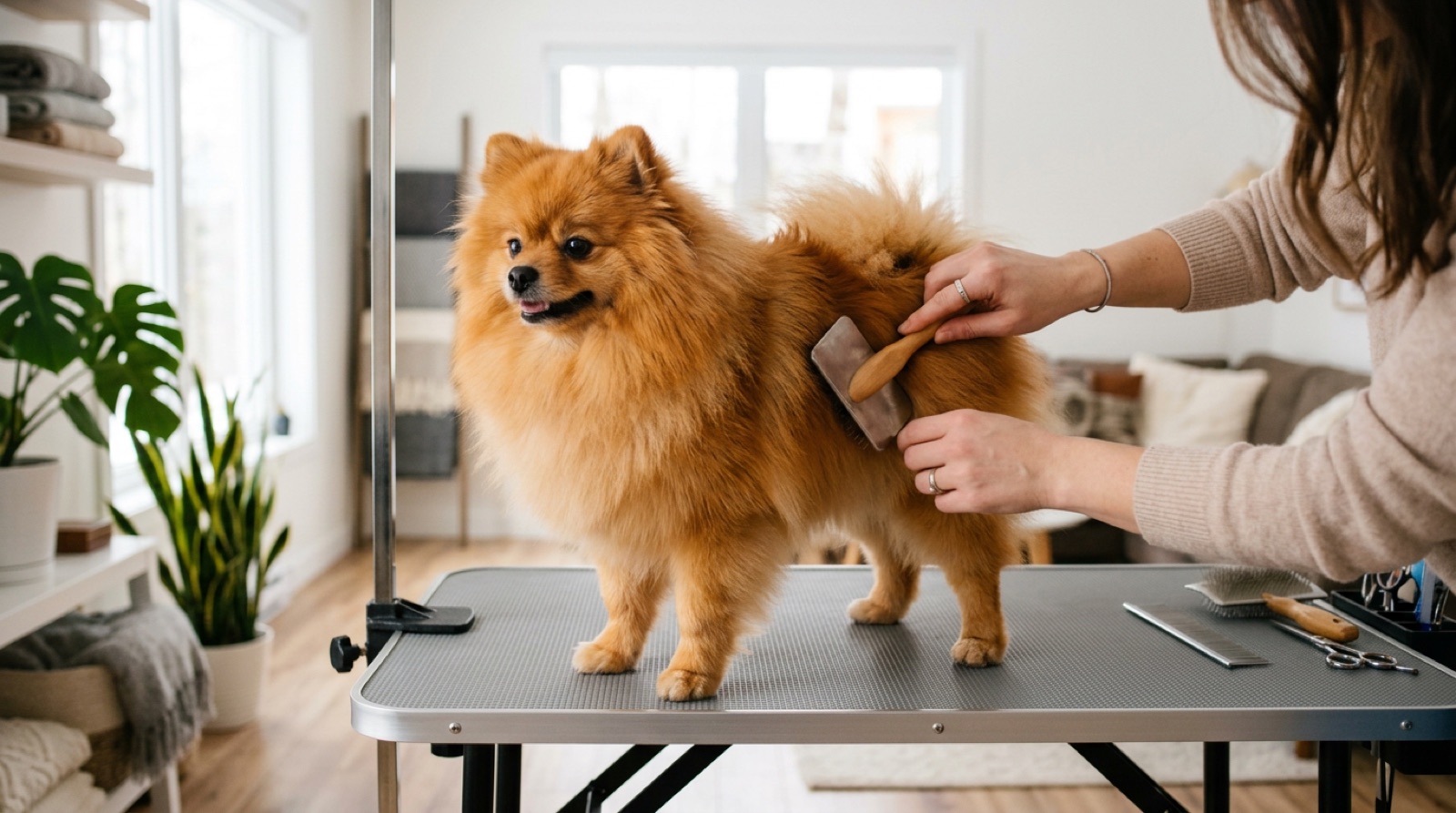
Why Pomeranians end up needing a new home
The Canadian Kennel Club says "the extroverted Pomeranian exhibits intelligence and a vivacious spirit," which is accurate and also explains the barking. The recurring reasons owners reach the rehoming decision:
- An inherited dog. Poms are a classic older-owner breed, and when the owner dies or moves into care, an adult child inherits a small dog they never chose and often cannot keep. It is one of the most common Pom rehoming stories in Canada, and our guide to rehoming an inherited dog covers that situation specifically.
- Barking. A Pomeranian is a watchdog in a five-pound body, and it takes the job seriously. In apartments and townhouses the alert barking generates complaints and lease trouble.
- Tiny-dog vet bills. Luxating patellas (kneecaps that slip out of place) can need surgery that runs into thousands, collapsing trachea needs management for life, and toy-breed dental disease arrives early and costs real money.
- The toddler mismatch. A Pom is too fragile for rough small-child handling, and a frightened Pom defends itself the only way it can. Households often decide the combination is unfair to both.
- Coat and impulse regret. The famous coat needs regular work, some Poms develop coat-loss conditions, and a share of pandemic-era and influencer-driven purchases outlived the novelty.
None of this means your dog is a problem. It means a big personality in a tiny body met circumstances that changed, and a careful rehoming fixes exactly that.
The screening priorities unique to Pomeranians
A healthy Pom draws applicants within hours. The screening is about which ones to refuse.
1. Screen out the resellers, hard. Tiny, expensive-looking breeds are the top target for people who acquire cheap dogs and flip them online within days. The tells: they push to collect the dog immediately, they are vague about their household, they will not do a video call or a home meeting, and they have no vet to name. Charge a real fee, require a vet reference, and slow the process down; legitimate adopters accept screening, flippers evaporate.
2. No rough-toddler households. Be direct about your dog's tolerance for handling. The best Pom homes are adults, seniors, and families with gentle older children. Placing a five-pound dog with a grabby two-year-old is how both of them get hurt.
3. An adopter who accepts the breed's physical rules. Walk them through it at handover: harness always, never a collar, because the breed is prone to tracheal collapse and a collar yank makes it worse. Mention the knees and what patella trouble looks like (a skipping hop on a back leg). An adopter who takes notes is the right one.
How long it realistically takes
Fast. A healthy young or adult Pomeranian with honest photos and a fair fee is typically placed within two to four weeks, and interest often starts the same day, which is precisely why the filtering matters more than the marketing. Seniors take longer but benefit from the same retired-adopter demand that serves all toy breeds well. Dogs with an unrepaired patella, significant dental backlog, or chronic trachea trouble need a financially ready home and take the longest, so put the medical picture in the listing and let it screen for you. Whatever the timeline pressure, do not hand a Pom to a same-day applicant; that is the reseller profile.
What you must disclose
Pom disclosure is short, physical, and protects the dog from the two ways tiny breeds get hurt: ignorance and impact.
- Trachea. Any honking cough, especially on excitement or leash pressure, and the harness-only rule that goes with it.
- Knees. Any skipping gait, diagnosis, or surgery. Luxating patellas are graded, and the vet record tells the new home what to budget for.
- Teeth. The last dental and anything flagged. Toy breeds lose teeth early without care, and dental surgery is the most common big Pom bill.
- Barking pattern. What sets it off and how long it lasts, so an apartment adopter can decide honestly.
- Handling limits. Any snapping when grabbed, groomed, or startled. In a breed this small it is fear, not viciousness, but the new home needs to know.
- Coat condition. Grooming routine and any coat-loss history, with a current photo rather than the fluffiest one you have.
Pomeranian rescues and where to ask
Pomeranian-specific rescue in Canada is anchored by one long-running organization, and small-dog rescues everywhere accept Poms readily because they place fast. Intake depends on foster space, so contact them early and list on LocalPetFinder in parallel. A verified Canadian option:
Should you charge a rehoming fee?
Charge a real rehoming fee, and for this breed treat it as a safety measure rather than a courtesy. Pomeranians are the classic reseller target: tiny, photogenic, and expensive from a breeder, which makes a free or cheap Pom listing a magnet for people who flip dogs within the week. A fee of a few hundred dollars for a healthy adult is normal in Canada (this is a directional range, not a fixed rule), paired with a vet reference and a meeting at your home or theirs, never a parking lot. You can donate the fee to a small-breed rescue afterward if you would rather not keep it.
How LocalPetFinder rehoming works
- Submit a free listing at /rehome/submit. Photos, age, breed, spay or neuter status, compatibility, an honest behavioural profile, your reason for rehoming, and a fee. The form takes about 5 minutes and your dog never leaves your home.
- We review it for completeness and basic safety, usually within 24 to 48 hours, then it goes live.
- Your Pomeranian appears alongside rescue dogs on the Pomeranian listings and the main adoption pages, marked “Owner Rehoming.” Your email stays private.
- You screen and choose. Vetted adopters reach you through a verified contact form. You decide who to respond to, who to meet, and who gets the dog.
Ready to rehome your Pomeranian responsibly?
List your Pomeranian on LocalPetFinder for free. Your listing appears next to rescue dogs, you control the screening, and we never share your email publicly.
Start Your Free Listing →Anti-scam rules (read every line)
- Never list as “free to good home.” A fair fee is the single best filter against flippers and bad-faith adopters.
- Insist on a meet-and-greet, ideally at the adopter's home. Anyone who refuses a home check is hiding their living situation.
- Be suspicious of anyone offering more than your fee, or pushing for a fast, no-questions handover.
- Get a written agreement and a vet reference, transfer the microchip registration, and prefer e-transfer over cash for a paper trail.