The short answer
Rehome your dog on LocalPetFinder, free
List your dog at no cost. They stay home until the right family is found, you screen adopters through a verified contact form, and you choose who adopts. Reviewed within 24 to 48 hours.
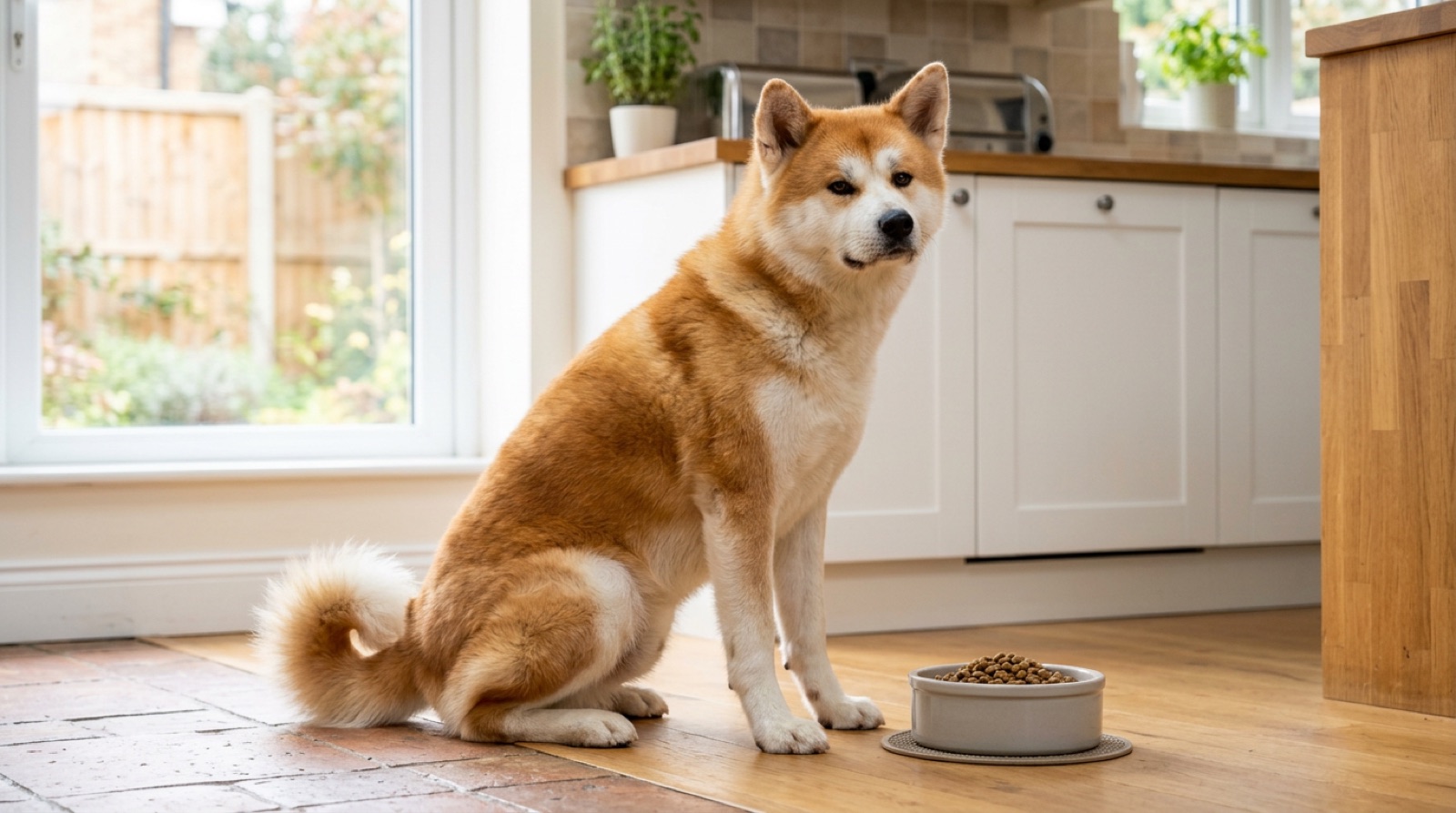
Why Akitas end up needing a new home
The Canadian Kennel Club is direct about the breed: "Though friendly to people, the Akita may be aggressive toward other dogs." That single sentence sits behind most Akita rehomings. The recurring reasons:
- Dog-to-dog trouble in a multi-dog home. The biggest driver. Same-sex selectivity is breed-typical, often emerging at maturity between dogs that got along as youngsters, and once two dogs in a house have decided about each other, management is a full-time job many households cannot sustain. Rehoming one dog is often the safest honest answer.
- Housing changes. A move into a rental is harder with a large northern breed that some landlords and insurers treat warily, and our moving guide covers that path.
- The independence surprised the household. Akitas are dignified, quiet, and cat-like in their self-possession. They are devoted without being demonstrative and obedient when it makes sense to them. Families expecting retriever biddability sometimes read a normal Akita as cold or wilful.
- Strength plus wariness without experience. A powerful, naturally aloof dog needs a handler comfortable with calm structure and careful introductions. Households without that experience feel over their heads by adolescence.
- Life changes landing on a one-person dog. Akitas often attach hardest to one human, and divorce, illness, or a death in the family can leave the dog without its person. Our owner-illness guide covers that situation with the care it needs.
None of this means your dog is broken. Breed-typical selectivity and deep bonding are features that need the right setting, and a careful rehoming provides exactly that.
The screening priorities unique to Akitas
Akita screening is about experience and household composition, in that order.
1. An experienced home. Ask what dogs the applicant has owned. Previous Akita or northern-breed experience is the strongest signal; comparable big-dog experience with an understanding of aloof, independent breeds is acceptable. The right adopter talks about respect and structure rather than dominance, expects the reserve with strangers, and does not need the dog to love everyone. A first-time owner charmed by the fluff and the loyalty stories is the mismatch that created a large share of Akita listings, so screen kindly but firmly.
2. The dog composition of the household, matched to your dog's honest history. If your Akita is same-sex selective, the safe placements are only-dog homes or homes with a compatible opposite-sex dog and an owner practised at careful introductions, and the listing should say so plainly. Informed Akita adopters expect this conversation; the applicant who waves it off has just failed the screening. Ask about resident cats too, and answer from your dog's actual history rather than hope.
3. Dignity in the process. Akitas read households and bond slowly, so set the placement up the way the breed needs: a meet at your home or theirs rather than a chaotic public handoff, the dog's own bed and routine notes travelling with it, and an adopter briefed that the first weeks are about quiet trust-building, not instant affection. A breed this reserved shows terribly in shelters and shows beautifully in a calm living room, which is one more reason a screened direct rehoming is the right path.
What you must disclose
Akita disclosure is behavioural, and the same-sex line is the one that cannot be soft-pedalled.
- Behaviour with other dogs, completely. Same-sex history, any scuffles with circumstances, on-leash reactivity, and how the dog handles being approached. This is the disclosure that decides whether the placement is safe.
- Behaviour with cats and small animals. Prey response varies by dog; answer from history.
- Behaviour with children and strangers. Akitas are typically devoted to their family and reserved with everyone else; describe your dog's actual line between the two.
- Guarding of food, toys, or people. Any resource-guarding, described plainly. An experienced home manages it easily if warned and badly if surprised.
- Any bite history, in writing. Some rescues cannot accept a dog with a bite history, and a private placement with an undisclosed one is indefensible. Talk to your vet or a credentialled behaviour professional first, and place only into a proven, fully informed home.
- Routine and bonding notes. How your dog warms up, what it trusts, and the routines it knows. For a slow-bonding breed this page is worth more than any accessory you send along.
Akita rescues and where to ask
There is no verified Akita-specific rescue based in Canada with steady intake; the small volunteer efforts that exist come and go, and most Canadian Akitas move through experienced all-breed rescues and northern-breed networks. Contact rescues in your region that know guardian and northern breeds, be upfront about the same-sex history so they can match correctly, and list on LocalPetFinder in parallel rather than waiting on a single door.
Should you charge a rehoming fee?
Charge a rehoming fee. A few hundred dollars for a healthy adult Akita is normal in Canada (this is a directional range, not a fixed rule), paired with a vet reference and a meeting at your home or theirs. The fee filters out impulse applicants drawn to a striking breed they have not researched, and it selects for the experienced, prepared home an Akita needs. Donate it to a northern-breed or all-breed rescue afterward if you would rather not keep it.
How LocalPetFinder rehoming works
- Submit a free listing at /rehome/submit. Photos, age, breed, spay or neuter status, compatibility, an honest behavioural profile, your reason for rehoming, and a fee. The form takes about 5 minutes and your dog never leaves your home.
- We review it for completeness and basic safety, usually within 24 to 48 hours, then it goes live.
- Your Akita appears alongside rescue dogs on the Akita listings and the main adoption pages, marked “Owner Rehoming.” Your email stays private.
- You screen and choose. Vetted adopters reach you through a verified contact form. You decide who to respond to, who to meet, and who gets the dog.
Ready to rehome your Akita responsibly?
List your Akita on LocalPetFinder for free. Your listing appears next to rescue dogs, you control the screening, and we never share your email publicly.
Start Your Free Listing →Anti-scam rules (read every line)
- Never list as “free to good home.” A fair fee is the single best filter against flippers and bad-faith adopters.
- Insist on a meet-and-greet, ideally at the adopter's home. Anyone who refuses a home check is hiding their living situation.
- Be suspicious of anyone offering more than your fee, or pushing for a fast, no-questions handover.
- Get a written agreement and a vet reference, transfer the microchip registration, and prefer e-transfer over cash for a paper trail.