The short answer
Rehome your dog on LocalPetFinder, free
List your dog at no cost. They stay home until the right family is found, you screen adopters through a verified contact form, and you choose who adopts. Reviewed within 24 to 48 hours.
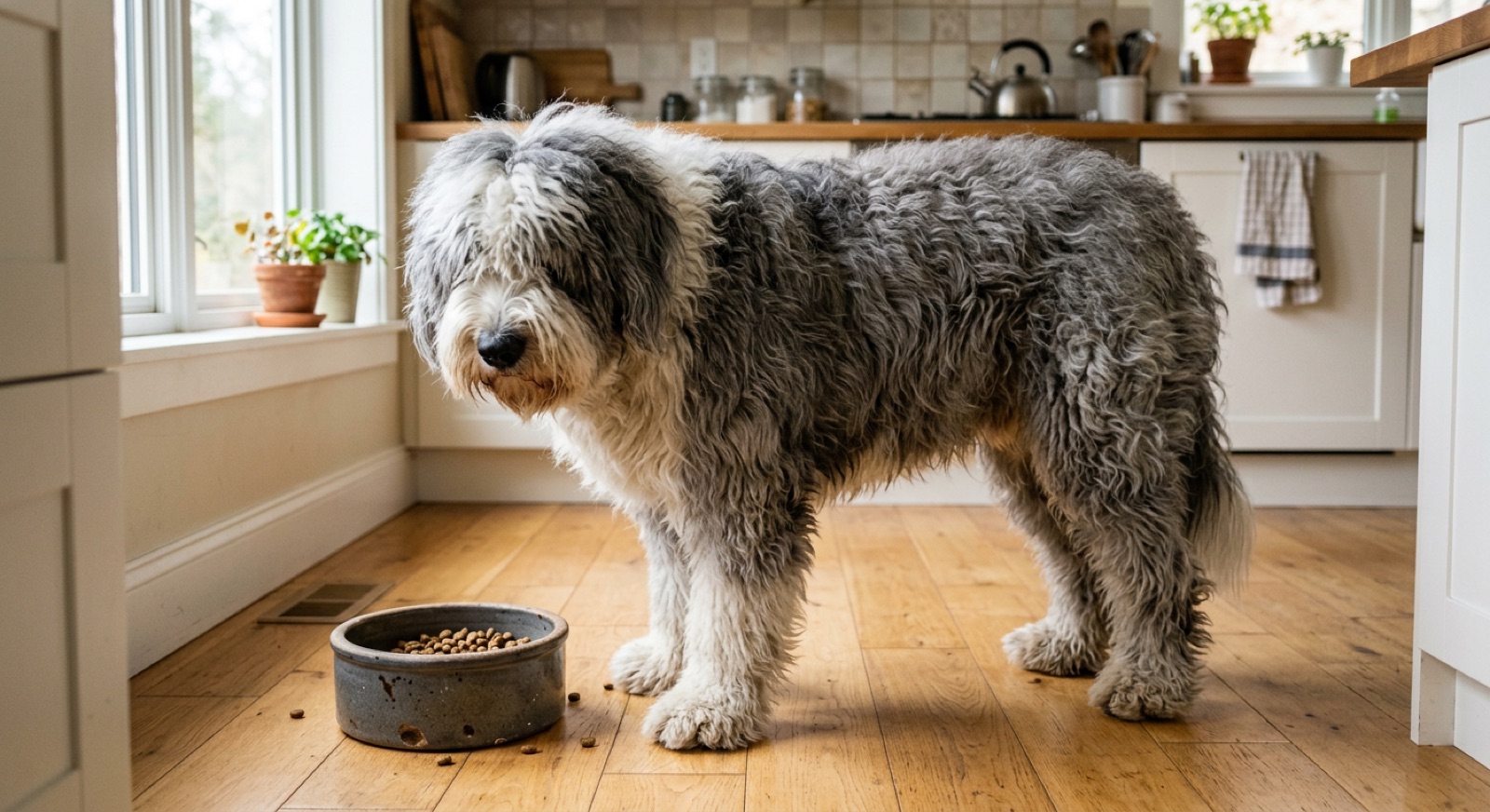
Why Old English Sheepdogs end up needing a new home
The Canadian Kennel Club calls the OES "a playful, agile breed that sometimes plays the clown" and states the coat "needs frequent, right-down-to-the-skin brushing and combing to keep it free of mats." The second sentence is the surrender story. The recurring reasons:
- The grooming load, full stop. The defining OES pattern. A full adult coat demands hours of thorough brushing every week, and the alternative is professional grooming on a standing schedule for a very large dog, which is one of the more expensive grooming tickets in dogdom. Households budget for food and vet care and discover the coat is the biggest line item.
- Matting spirals. A busy month is all it takes. The coat mats to the skin, brushing becomes painful, the dog starts avoiding it, and the situation ends in a full shave-down, guilt, and often the rehoming decision.
- Financial pressure. The grooming bill lands on top of big-dog food and vet costs, and when a household's finances tighten, the OES arithmetic breaks first. Our financial-hardship guide covers that path in full.
- Size and bounce underestimated. Under the wool is a strong, athletic herding breed that plays the clown at full body weight. Households expecting a sofa ornament meet a boisterous farm dog.
- The practical mess. Wet-beard water bowls, mud in the coat, and a dog that carries half the backyard indoors. Small things, but they wear households down.
None of this means your dog is broken. It means the coat outran the household, and a careful rehoming to a home that budgeted for it fixes exactly that.
The screening priorities unique to Old English Sheepdogs
OES screening is the coat conversation, held honestly, plus a size check.
1. A real, budgeted grooming plan. Ask the applicant directly how they will handle the coat and what they expect it to cost. The right answer involves either genuine hours of weekly brushing (and the tools and the willingness to learn line brushing) or a standing professional grooming relationship for a giant coat, priced and accepted before the dog arrives. An applicant who waves at the question, or who thinks a monthly once-over will do, is the household your dog would mat up in. Some excellent OES homes keep the dog in a shorter puppy cut year-round; that is a perfectly good answer too, as long as it is a plan and not a hope.
2. Room and appetite for a big, bouncy clown. Under the coat is a strong, playful, people-loving farm dog. Screen for a household that wants a large dog in the middle of family life, can physically manage one, and will exercise it daily.
3. Honest matching on your dog's actual coat state. If the coat is currently matted or shaved down, say so with photos. Adopters take on a recovering coat willingly when they are told; they return a dog they feel misled about.
What you must disclose
OES disclosure is mostly practical, and the coat history leads it.
- The coat, in full. Current condition with recent photos, any matting or shave-down history, the brushing routine you actually kept (not the one you intended), and your groomer's name if you use one. This is the disclosure that decides whether the placement lasts.
- The real grooming costs you paid. Give the new home your actual numbers so their budget is built on facts.
- Behaviour with children, dogs, and cats. From history, including any herding-style bumping or body-blocking of small children by a very large dog.
- Exercise routine and the bounce. What your dog needs daily and what an under-exercised week looks like.
- Ear and skin history. Under a heavy coat, ear infections and skin issues can hide. Pass on anything the vet has treated.
- Vet records, complete. Anything flagged, with the vet's name attached.
Old English Sheepdog rescues and where to ask
There is no verified Old English Sheepdog rescue based in Canada with steady intake; the breed is uncommon here and OES needing homes usually move through breeder take-backs, the breed-club community, and all-breed rescues. Ask your breeder first if your dog came from one (responsible OES breeders take their dogs back), contact all-breed rescues in your region and be upfront about the grooming load, and list on LocalPetFinder in parallel rather than waiting on a single door.
Should you charge a rehoming fee?
Charge a rehoming fee. A few hundred dollars for a healthy adult Old English Sheepdog is normal in Canada (this is a directional range, not a fixed rule), paired with a vet reference and a meeting at your home or theirs. The teddy-bear look draws impulse applicants who have never priced a groom for a dog this size, and a real fee plus a blunt grooming paragraph filters them out. Donate it to a rescue afterward if you would rather not keep it.
How LocalPetFinder rehoming works
- Submit a free listing at /rehome/submit. Photos, age, breed, spay or neuter status, compatibility, an honest behavioural profile, your reason for rehoming, and a fee. The form takes about 5 minutes and your dog never leaves your home.
- We review it for completeness and basic safety, usually within 24 to 48 hours, then it goes live.
- Your Old English Sheepdog appears alongside rescue dogs on the Old English Sheepdog listings and the main adoption pages, marked “Owner Rehoming.” Your email stays private.
- You screen and choose. Vetted adopters reach you through a verified contact form. You decide who to respond to, who to meet, and who gets the dog.
Ready to rehome your Old English Sheepdog responsibly?
List your Old English Sheepdog on LocalPetFinder for free. Your listing appears next to rescue dogs, you control the screening, and we never share your email publicly.
Start Your Free Listing →Anti-scam rules (read every line)
- Never list as “free to good home.” A fair fee is the single best filter against flippers and bad-faith adopters.
- Insist on a meet-and-greet, ideally at the adopter's home. Anyone who refuses a home check is hiding their living situation.
- Be suspicious of anyone offering more than your fee, or pushing for a fast, no-questions handover.
- Get a written agreement and a vet reference, transfer the microchip registration, and prefer e-transfer over cash for a paper trail.