The short answer
Rehome your dog on LocalPetFinder, free
List your dog at no cost. They stay home until the right family is found, you screen adopters through a verified contact form, and you choose who adopts. Reviewed within 24 to 48 hours.
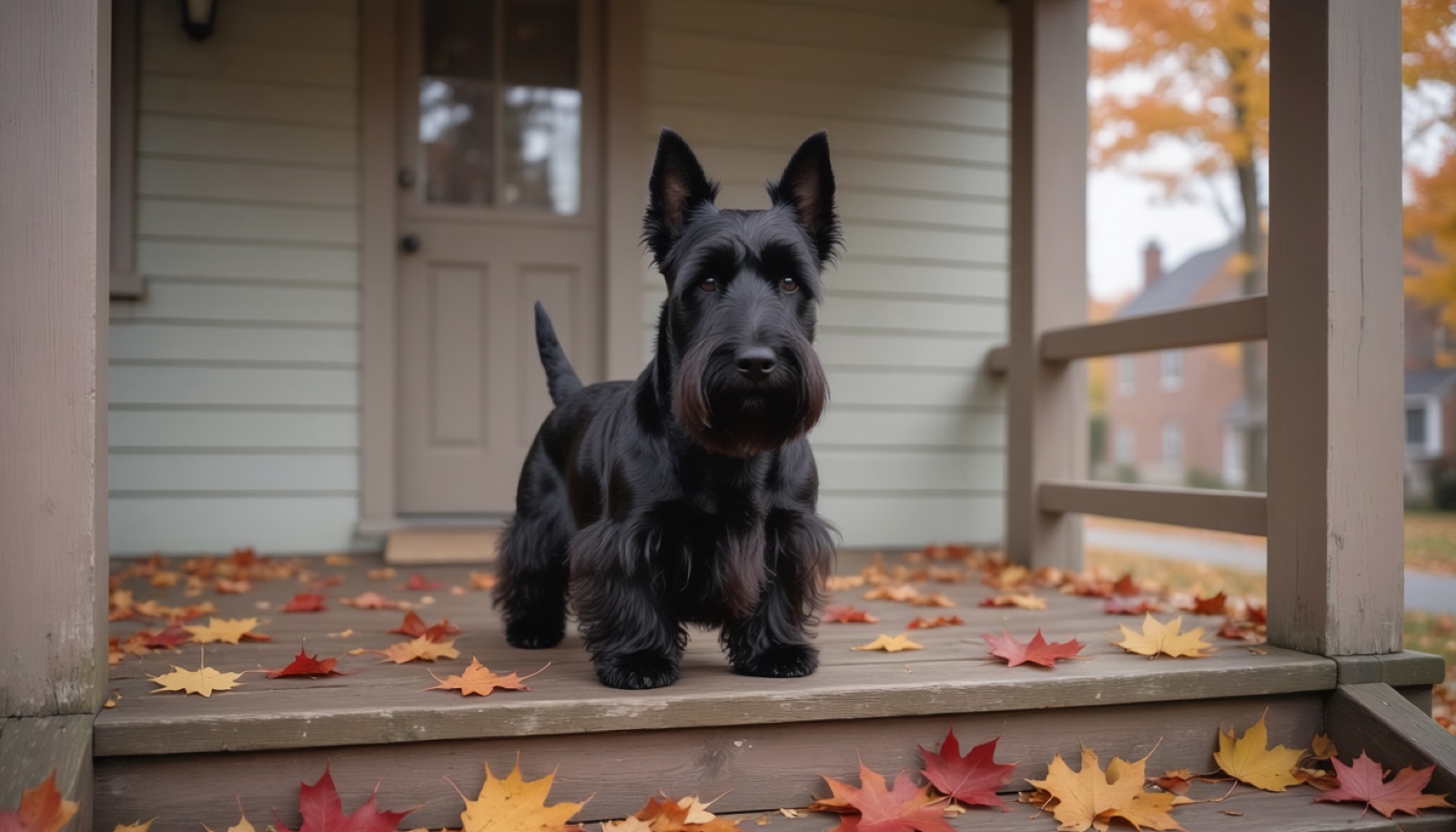
Why Scottish Terriers end up needing a new home
The Canadian Kennel Club describes the Scottie as "loyal, loving and playful with his family," while noting he "can be scrappy with other dogs" and that "considerable grooming is needed." All three clauses drive the surrenders. The recurring reasons owners reach the rehoming decision:
- The temperament surprise. Scotties are bought on the iconic silhouette, then turn out to be independent, dignified, and selectively affectionate. Households that wanted a cuddle-anytime companion sometimes read that reserve as coldness when it is simply the breed being itself.
- An older owner's circumstances. The Scottie is a classic older-adult companion, so a steady share of rehomings arrive when the owner falls ill, moves into care, or dies, often with adult children handling the rehoming.
- Scrappiness with other dogs. Breed-typical and documented. A Scottie that will not back down at the dog park, or that feuds with a housemate dog, wears a household out.
- The grooming bill. The wiry coat needs regular professional grooming or committed home clipping, forever, and the cost surprises owners who chose the breed on looks.
- Mismatch with young children. A dog that dislikes being grabbed, living with a toddler who grabs, is a risk a sensible parent moves on early.
None of this means your dog is a problem. It means an old, proud breed landed in circumstances that did not fit, and a careful rehoming fixes exactly that.
The screening priorities unique to Scottish Terriers
Scottie screening is about patience and honesty about other dogs, in that order.
1. A patient household that lets the dog choose. Tell applicants the truth about the breed: a Scottie warms up on its own schedule, is naturally reserved with strangers, and rewards the people who respect that with deep, quiet loyalty. The right home finds the dignity charming. The wrong home wants a golden retriever in a twenty-pound body and gets frustrated by week two. Quiet adult households and retirees are the breed's natural fit, and they are plentiful in the adopter pool.
2. The other-dog conversation. Ask about resident dogs and be blunt about how yours behaves around them. Many Scotties do best as the only dog, and placing one into a multi-dog home on optimism is how placements fail. If your dog has lived peacefully with another dog, describe that dog: size, sex, and temperament all matter to whether the match repeats.
How long it realistically takes
A few weeks, typically. Demand for distinctive, quiet-household companion dogs is steady, and an honest Scottie listing draws measured applicants rather than an impulse flood, which suits the breed. Seniors take somewhat longer but match retired-adopter demand well, and an owner-illness backstory reads as circumstances, not a problem dog; adopters respond warmly to it. Groom the dog before you photograph it. A tidy Scottie silhouette moves a listing more than anything else you can do.
What you must disclose
Scottie disclosure is temperament plus health, and the health part matters more for this breed than most.
- Behaviour with other dogs. The truth, including any fights, with circumstances. Scrappiness is breed-typical; the new home just needs your dog's version.
- Stranger and handling behaviour. How the dog greets new people and reacts to being picked up or groomed, including any growling or snapping.
- Urinary health, specifically. Scottish Terriers carry a documented breed predisposition to bladder cancer (transitional cell carcinoma). That is not a reason to panic or to assume anything about your dog, but it is a reason the new home should know about any urinary symptoms, however minor, and should hear the vet's name so they can continue monitoring. Hand over the complete records and let their vet advise them.
- The coat routine. Groomer, schedule, cost, and how the dog tolerates it.
- Kids. The truth about children, whatever it is. "Best in an adult home" is a normal, respectable line in a Scottie listing.
Scottish Terrier rescues and where to ask
Scottie-specific rescue in Canada runs through the national breed club rather than a standalone organization, so contact them early and list on LocalPetFinder in parallel rather than waiting on a single door. One verified option:
Should you charge a rehoming fee?
Charge a real rehoming fee. A fee of a few hundred dollars for a healthy adult is normal in Canada (this is a directional range, not a fixed rule), paired with a vet reference and a meeting at your home or theirs. Scotties are a distinctive, purchased breed and the fee filters out impulse applicants drawn to the silhouette rather than the dog. For a senior rehomed from an ill owner's household, weighting the screening toward the right quiet home rather than the fee amount is a reasonable trade. You can donate the fee to a terrier rescue afterward if you would rather not keep it.
How LocalPetFinder rehoming works
- Submit a free listing at /rehome/submit. Photos, age, breed, spay or neuter status, compatibility, an honest behavioural profile, your reason for rehoming, and a fee. The form takes about 5 minutes and your dog never leaves your home.
- We review it for completeness and basic safety, usually within 24 to 48 hours, then it goes live.
- Your Scottish Terrier appears alongside rescue dogs on the Scottish Terrier listings and the main adoption pages, marked “Owner Rehoming.” Your email stays private.
- You screen and choose. Vetted adopters reach you through a verified contact form. You decide who to respond to, who to meet, and who gets the dog.
Ready to rehome your Scottish Terrier responsibly?
List your Scottish Terrier on LocalPetFinder for free. Your listing appears next to rescue dogs, you control the screening, and we never share your email publicly.
Start Your Free Listing →Anti-scam rules (read every line)
- Never list as “free to good home.” A fair fee is the single best filter against flippers and bad-faith adopters.
- Insist on a meet-and-greet, ideally at the adopter's home. Anyone who refuses a home check is hiding their living situation.
- Be suspicious of anyone offering more than your fee, or pushing for a fast, no-questions handover.
- Get a written agreement and a vet reference, transfer the microchip registration, and prefer e-transfer over cash for a paper trail.