The short answer
Rehome your dog on LocalPetFinder, free
List your dog at no cost. They stay home until the right family is found, you screen adopters through a verified contact form, and you choose who adopts. Reviewed within 24 to 48 hours.
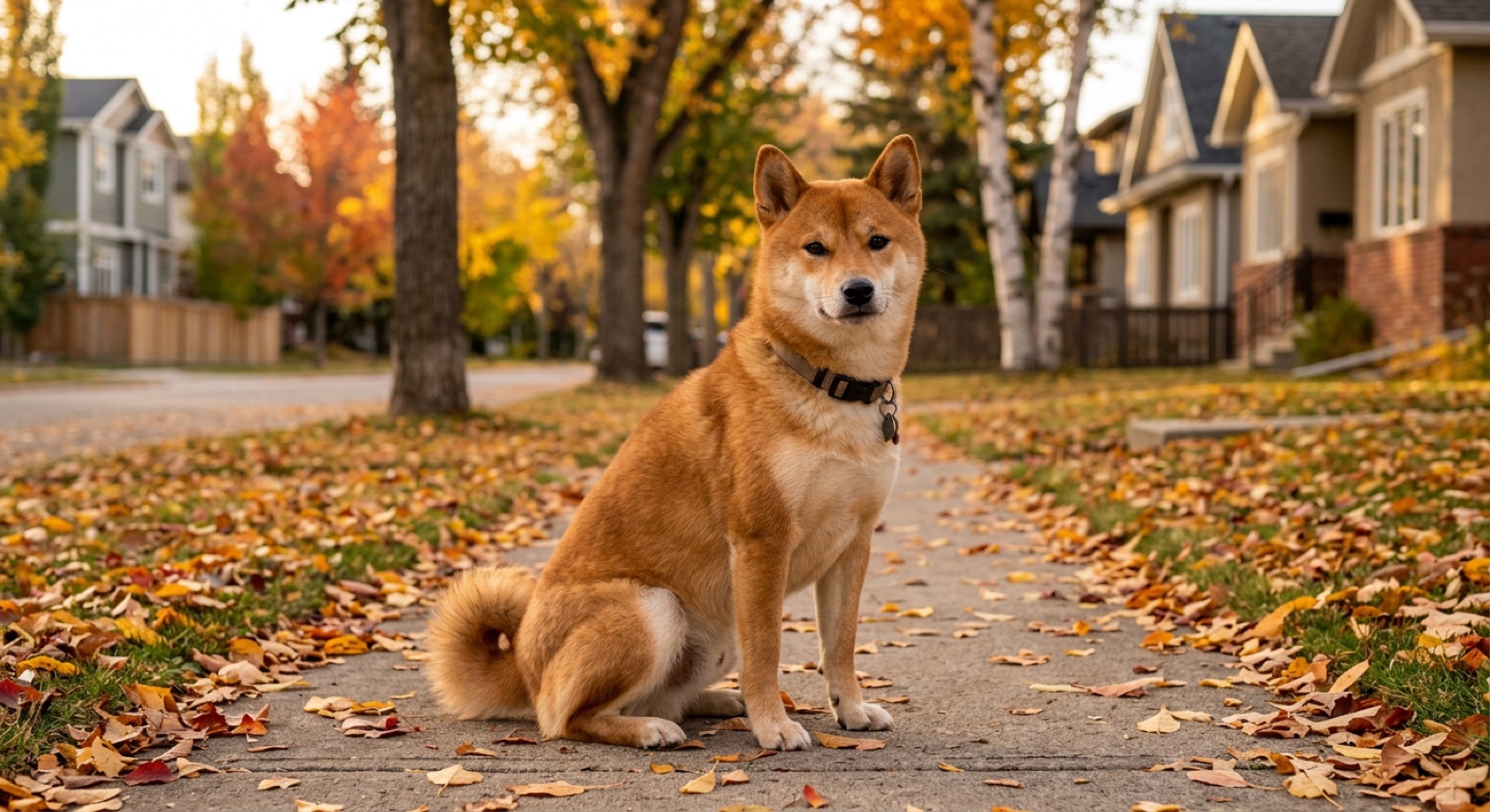
Why Shiba Inus end up needing a new home
The Canadian Kennel Club describes the Shiba as "an independent, outgoing companion and excellent watchdog," and the first word is the one doing the work. The recurring reasons:
- The meme purchase. The biggest modern driver. A decade of internet fame put Shibas in homes that bought a face, not a breed. The real dog is aloof, stubborn on principle, and affectionate strictly on its own schedule, and households expecting a small golden retriever read all of that as something being wrong.
- Escape artistry. Shibas door-dash, slip harnesses, and treat an open gate as an invitation, and once loose they do not come back on request. Recall is famously unreliable in the breed for life. One or two bad scares convince some households they cannot keep the dog safe.
- The drama. The Shiba scream is real: a piercing protest at nail trims, baths, vet handling, or being picked up when unwilling. It is theatre more than distress, but it rattles owners, complicates grooming and vet care, and embarrasses people in apartments with thin walls.
- Moves and housing changes. A common trigger for a small, adaptable-looking dog that is in fact particular about routine. Our moving guide covers that path.
- Selectivity with other dogs. Many Shibas are choosy, especially same-sex, and dog-park optimism ends badly often enough to wear a household down.
None of this means your dog is broken. It means a proud, particular little breed landed with people the meme misled, and a careful rehoming to a Shiba-aware home fixes exactly that.
The screening priorities unique to Shiba Inus
Shiba screening is about flight risk first and expectations second.
1. A home that treats the dog as a flight risk for life. This is the safety line. Ask how the applicant manages doors, whether the yard is fenced and checked, and what their off-leash philosophy is. The right answer is that there is no off-leash plan: a Shiba is a leash-and-secured-door dog, and an applicant talking about earning recall or off-leash trail time has not researched the breed. Describe exactly how your dog escapes (door-dashing, harness-slipping, gate-watching) so the new home secures against your dog's actual technique before arrival.
2. An adopter who has met the breed, not the meme. Ask why they want a Shiba and what they expect the first month to look like. The right adopter mentions the independence, the drama, and the cat-like affection on the dog's terms, usually because they have owned or fostered one. The applicant quoting the internet is the same mismatch that created your listing. Shiba people are plentiful and devoted; hold out for one.
3. Honest matching on handling and other dogs. If your dog protests grooming and vet handling at full volume, say so, and screen for an adopter who finds it funny rather than alarming. Answer the other-dog question from history, especially same-sex, and say plainly if your Shiba needs to be the only dog.
What you must disclose
Shiba disclosure is about the traits the meme hides, because the informed home is the one that keeps the dog.
- Every escape, with method. Door-dashing, harness-slipping, fence-climbing, or gate-watching, so containment gets fixed before the dog arrives. This is the disclosure that keeps your dog alive.
- The drama, honestly. What sets off the scream (nails, baths, being picked up), what it sounds like, and what handling approach works. An informed adopter laughs; a surprised one panics.
- Behaviour with other dogs. Same-sex history and dog-park behaviour, with specifics.
- Behaviour with cats and small animals. Shibas carry real prey drive; answer from history.
- Resource guarding, if any. Not rare in the breed; described plainly with what management works.
- Routine and affection terms. How your dog likes to be touched, when it seeks company, and what it opts out of. For a breed this particular, that page saves the new home weeks of misreading.
Shiba Inu rescues and where to ask
Shiba-specific rescue in Canada is small: the national breed club notes that relatively few Shibas need rescue here, and placements move through breed-community referrals and experienced all-breed rescues. Contact the club and rescues in your region early, and list on LocalPetFinder in parallel. One verified referral point:
Should you charge a rehoming fee?
Charge a rehoming fee. A few hundred dollars for a healthy adult Shiba is normal in Canada (this is a directional range, not a fixed rule), paired with a vet reference and a meeting at your home or theirs. The fee matters more for Shibas than for most small breeds: a famous, expensive, in-demand dog is a reseller's target, and free listings attract exactly the impulse audience the meme created. A real fee plus an honest listing filters for the Shiba-aware home. Donate it to a rescue afterward if you would rather not keep it.
How LocalPetFinder rehoming works
- Submit a free listing at /rehome/submit. Photos, age, breed, spay or neuter status, compatibility, an honest behavioural profile, your reason for rehoming, and a fee. The form takes about 5 minutes and your dog never leaves your home.
- We review it for completeness and basic safety, usually within 24 to 48 hours, then it goes live.
- Your Shiba Inu appears alongside rescue dogs on the Shiba Inu listings and the main adoption pages, marked “Owner Rehoming.” Your email stays private.
- You screen and choose. Vetted adopters reach you through a verified contact form. You decide who to respond to, who to meet, and who gets the dog.
Ready to rehome your Shiba Inu responsibly?
List your Shiba Inu on LocalPetFinder for free. Your listing appears next to rescue dogs, you control the screening, and we never share your email publicly.
Start Your Free Listing →Anti-scam rules (read every line)
- Never list as “free to good home.” A fair fee is the single best filter against flippers and bad-faith adopters.
- Insist on a meet-and-greet, ideally at the adopter's home. Anyone who refuses a home check is hiding their living situation.
- Be suspicious of anyone offering more than your fee, or pushing for a fast, no-questions handover.
- Get a written agreement and a vet reference, transfer the microchip registration, and prefer e-transfer over cash for a paper trail.