The short answer
Rehome your dog on LocalPetFinder, free
List your dog at no cost. They stay home until the right family is found, you screen adopters through a verified contact form, and you choose who adopts. Reviewed within 24 to 48 hours.
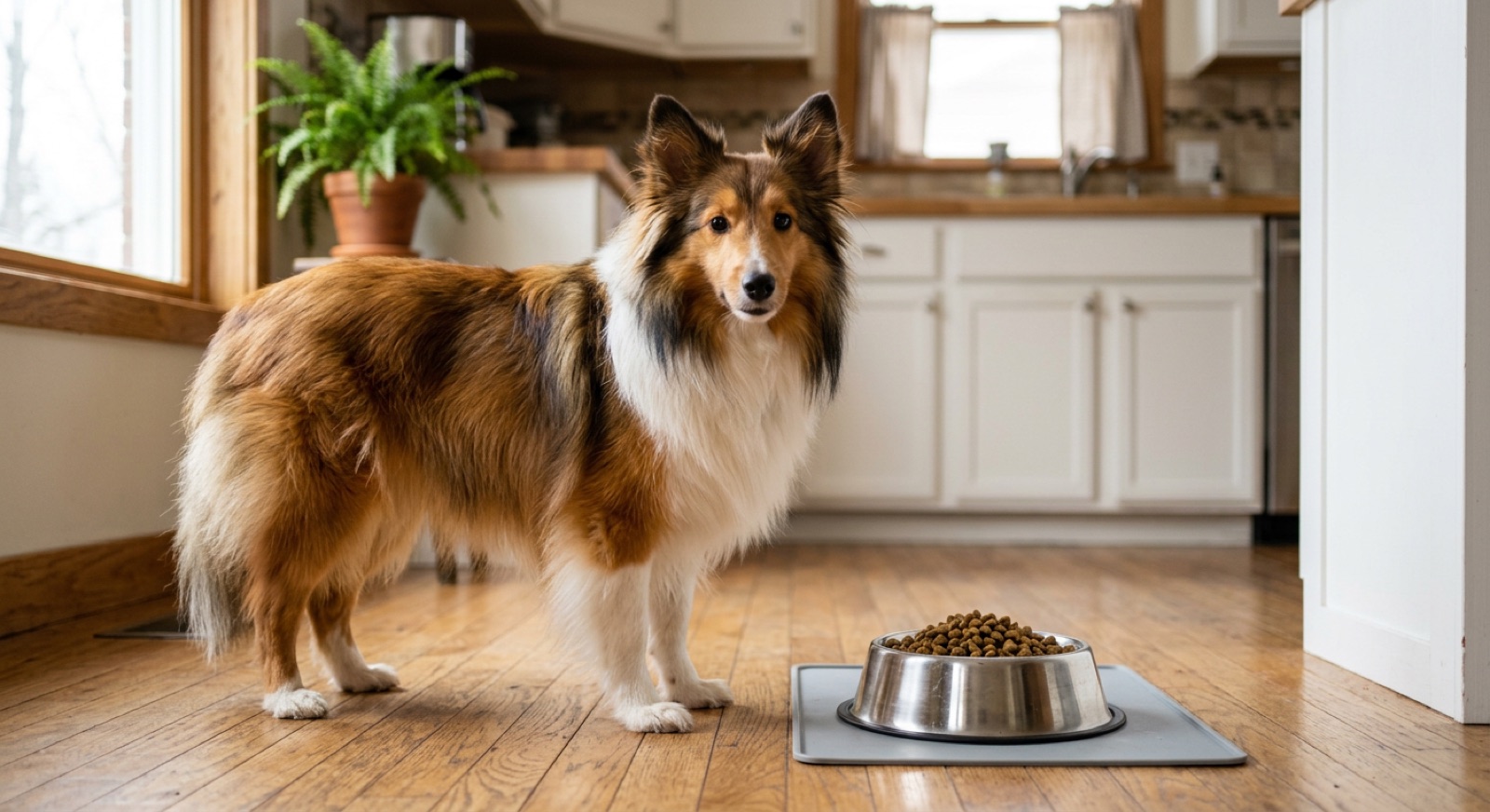
Why Shelties end up needing a new home
The Canadian Kennel Club describes the Sheltie as "intensely loyal, affectionate and responsive" and, in the same breath, "a busy, active dog." Both halves sit behind the surrenders. The recurring reasons:
- The barking. The biggest driver, and worth saying without apology: Shelties are among the most vocal breeds in dogdom. They announce arrivals, departures, squirrels, and opinions, and in an apartment or a townhouse the announcing becomes a complaint file. Training softens it; nothing removes it.
- Herding drive meeting running children. A Sheltie that circles, chases, and nips at the heels of sprinting toddlers is doing exactly what it was bred for, but it frightens households that expected a lapdog. The instinct is manageable with structure; it is not removable.
- A new baby changing the equations. The Sheltie-specific version is sharp: a sensitive, attention-fed dog loses its routine right as the barking starts waking the baby and the crawling starts triggering the herding. Our new-baby guide covers that situation in full.
- Sensitivity and sound reactivity. Shelties are soft dogs that startle at noise and wilt under harsh handling, and a chaotic household reads that as neurotic when it is just the breed.
- An underestimated brain. This is a working herder in a small body. Under-occupied Shelties spin, shadow-chase, and bark more, the same unmet-needs pattern our Border Collie guide explains for the bigger herding breeds, scaled down but real.
None of this means your dog is broken. It means a small working herder was sold as a decorative pet, and a careful rehoming to an informed home fixes exactly that.
The screening priorities unique to Shelties
Sheltie screening is two honesty checks and a gentleness check.
1. Honest bark tolerance and honest housing. Say plainly in the listing that the dog barks, when, and how much, and screen for detached housing, tolerant neighbours, or an applicant who has lived with a vocal breed before. The applicant who reads the barking paragraph and applies anyway is your shortlist. The one who says "we'll train it out" is the household that returns the dog.
2. A household matched to the herding instinct. If your dog nips heels, circles children, or chases bikes, say so and ask how the applicant would manage it. Homes with older kids, adult households, and herding-breed-experienced families are the natural fits. For the reasoning behind drive, outlets, and why exercise alone does not fix a herder, our Border Collie rehoming guide covers it in full; the same logic applies to Shelties at lower intensity.
3. A gentle, steady home. Shelties are soft, responsive dogs that do best with calm handling and predictable routines. Ask about the pace and volume of the household, and place a sound-sensitive dog with people who understand that startling is not disobedience.
What you must disclose
Sheltie disclosure is behavioural and practical, and the first two items decide the match.
- The barking pattern, completely. Triggers, frequency, anything the neighbours have said, and what management has helped. This is the disclosure that decides the housing fit.
- Herding and nipping history with children. Every heel-nip, circle, and chase, described plainly. An informed family manages it easily; a surprised one panics and the placement bounces.
- Sound reactivity. Storms, fireworks, vacuums, and how your dog copes, so the new home is ready before the first thunderstorm.
- The coat routine. The weekly brushing a full Sheltie coat needs, the seasonal shedding, and a warning never to shave the double coat.
- MDR1 awareness. Shelties, like Collies, can carry the MDR1 gene variant that makes some dogs sensitive to certain common medications. Pass on any test result, and if untested, tell the new home to raise MDR1 with their vet before treatment.
- Vet records, complete. Anything the vet has flagged, with the vet's name attached.
Shetland Sheepdog rescues and where to ask
Sheltie-specific rescue in Canada is regional, volunteer-run, and well-networked, so intake depends on foster space. Contact them early, be complete about the barking and any nipping history so they can match correctly, and list on LocalPetFinder in parallel. Two verified options:
Should you charge a rehoming fee?
Charge a rehoming fee. A few hundred dollars for a healthy adult Sheltie is normal in Canada (this is a directional range, not a fixed rule), paired with a vet reference and a meeting at your home or theirs. Small, beautiful, and recognizable is exactly the profile that attracts impulse applicants and the occasional reseller, and a real fee plus the barking paragraph filters both out. Donate it to a Sheltie rescue afterward if you would rather not keep it.
How LocalPetFinder rehoming works
- Submit a free listing at /rehome/submit. Photos, age, breed, spay or neuter status, compatibility, an honest behavioural profile, your reason for rehoming, and a fee. The form takes about 5 minutes and your dog never leaves your home.
- We review it for completeness and basic safety, usually within 24 to 48 hours, then it goes live.
- Your Shetland Sheepdog appears alongside rescue dogs on the Shetland Sheepdog listings and the main adoption pages, marked “Owner Rehoming.” Your email stays private.
- You screen and choose. Vetted adopters reach you through a verified contact form. You decide who to respond to, who to meet, and who gets the dog.
Ready to rehome your Shetland Sheepdog responsibly?
List your Shetland Sheepdog on LocalPetFinder for free. Your listing appears next to rescue dogs, you control the screening, and we never share your email publicly.
Start Your Free Listing →Anti-scam rules (read every line)
- Never list as “free to good home.” A fair fee is the single best filter against flippers and bad-faith adopters.
- Insist on a meet-and-greet, ideally at the adopter's home. Anyone who refuses a home check is hiding their living situation.
- Be suspicious of anyone offering more than your fee, or pushing for a fast, no-questions handover.
- Get a written agreement and a vet reference, transfer the microchip registration, and prefer e-transfer over cash for a paper trail.