The short answer
Rehome your dog on LocalPetFinder, free
List your dog at no cost. They stay home until the right family is found, you screen adopters through a verified contact form, and you choose who adopts. Reviewed within 24 to 48 hours.
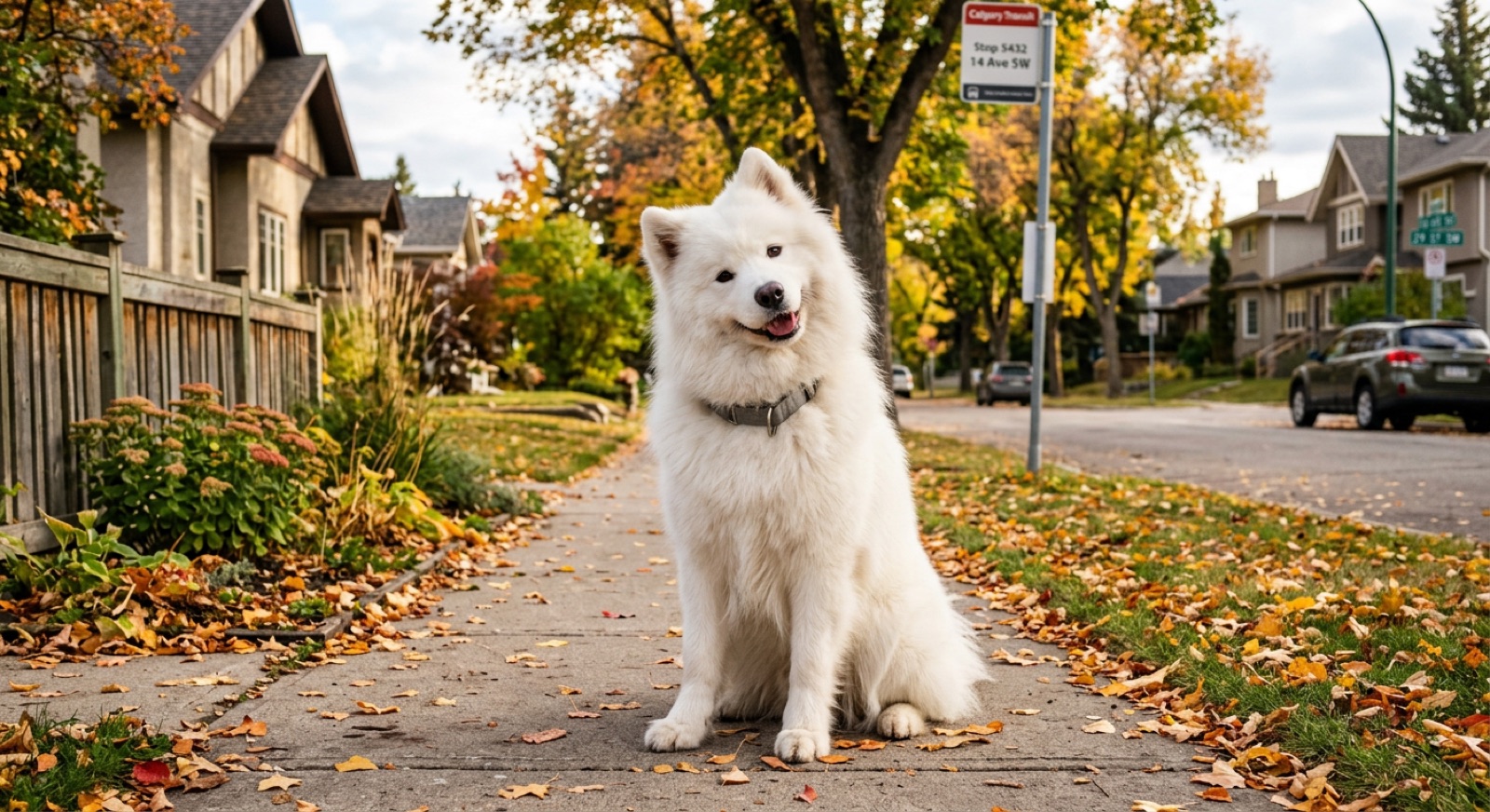
Why Samoyeds end up needing a new home
The Canadian Kennel Club describes a "gentle and companionable canine" with a "happy, childlike air," and the temperament is real: Samoyeds are rarely surrendered for anything between the dog and its people. The surrenders are practical. The recurring reasons:
- The coat workload. The dominant driver. That stand-off white coat needs thorough brushing every week, blows out seasonally at volume, and mats miserably when neglected. Households that fall behind face a groomer's bill or a matted, uncomfortable dog, and some quietly conclude they cannot keep up.
- Bought on looks. The smiling-dog photos sell the breed to households that never researched the working dog underneath. When the novelty meets the brushing hours and the energy, the mismatch surfaces within the first two years.
- The barking. Samoyeds are vocal: alert barking, conversation, and opinion, sometimes all before breakfast. In a townhouse with close neighbours it becomes a bylaw problem, and it drives more surrenders than listings admit.
- Allergies that the breed's reputation promised away. Samoyeds are widely marketed as hypoallergenic. No dog truly is; allergens live in dander and saliva, not just hair, and reactions vary person to person. Families who bought the promise and then reacted anyway end up rehoming through no fault of the dog. Our allergy guide covers this situation in full.
- Northern-breed energy and escape instincts. Milder than a Husky's but present: a bored Samoyed digs, roams, and finds projects. Our Husky rehoming guide covers the escape-proofing conversation and much of it applies.
None of this means your dog is a problem. It means a working breed in a glamorous coat was sold on the glamour, and a careful rehoming to a prepared home fixes that.
The screening priorities unique to Samoyeds
Samoyed screening is about the workload, and the coat conversation is the filter that does most of the work.
1. An adopter who has priced the coat in hours, not adjectives. Put the real routine in the listing: the weekly brushing time, the seasonal blowouts, what professional grooming has cost you, and the state of the coat today. The right adopter is a Samoyed person who reads all of that and applies anyway, and the breed has a devoted following of exactly such people. An applicant who seems surprised by the grooming conversation is the same mismatch that created your listing.
2. Honest bark tolerance. Ask where the applicant lives and how close the neighbours are. Say plainly in the listing that the dog is vocal, and let the setting self-select. A placement that hides the barking fails on the first complaint, and the dog moves twice.
3. If allergies are in the picture, test before handover. If an applicant mentions allergies in their household, be direct: no breed is reliably hypoallergenic, and the honest test is time spent with your actual dog before committing. An hour of visits costs nothing; a bounced placement costs the dog its second home in a season.
What you must disclose
Samoyed disclosure is mostly practical, and the practical truths are what make the placement last.
- The coat's real condition and routine. Current matting if any, the brushing schedule that keeps it healthy, and the grooming costs from your own experience.
- The barking pattern, honestly. When, how much, and anything the neighbours have said. This is the disclosure that decides whether the placement lasts.
- Energy and escape history. Digging, fence-testing, and roaming, with methods, so the new home secures against your dog's actual technique.
- Behaviour with children, dogs, and cats. Samoyeds are famously good family dogs, but describe your dog, not the breed.
- Heat tolerance. A heavy-coated northern dog needs shade, water, and a summer routine; pass yours on, and never let a new home shave the coat expecting to help, because the double coat is also the dog's insulation.
- Vet records, complete. Anything the vet has flagged, with the vet's name attached.
Samoyed rescues and where to ask
Samoyed rescue in Canada runs as a small volunteer network coordinated through the national breed club community rather than a large organization with steady intake, and regional contacts change. Ask your breeder first if your dog came from one (responsible breeders take their dogs back), contact northern-breed rescues in your region, and list on LocalPetFinder in parallel rather than waiting on a single door.
Should you charge a rehoming fee?
Charge a rehoming fee. A few hundred dollars for a healthy adult Samoyed is normal in Canada (this is a directional range, not a fixed rule), paired with a vet reference and a meeting at your home or theirs. The fee matters for this breed: Samoyeds are expensive, photogenic, and in demand, which makes free listings a magnet for resellers and impulse applicants who fell for the smile without reading the grooming paragraph. A real fee filters both out. Donate it to a northern-breed rescue afterward if you would rather not keep it.
How LocalPetFinder rehoming works
- Submit a free listing at /rehome/submit. Photos, age, breed, spay or neuter status, compatibility, an honest behavioural profile, your reason for rehoming, and a fee. The form takes about 5 minutes and your dog never leaves your home.
- We review it for completeness and basic safety, usually within 24 to 48 hours, then it goes live.
- Your Samoyed appears alongside rescue dogs on the Samoyed listings and the main adoption pages, marked “Owner Rehoming.” Your email stays private.
- You screen and choose. Vetted adopters reach you through a verified contact form. You decide who to respond to, who to meet, and who gets the dog.
Ready to rehome your Samoyed responsibly?
List your Samoyed on LocalPetFinder for free. Your listing appears next to rescue dogs, you control the screening, and we never share your email publicly.
Start Your Free Listing →Anti-scam rules (read every line)
- Never list as “free to good home.” A fair fee is the single best filter against flippers and bad-faith adopters.
- Insist on a meet-and-greet, ideally at the adopter's home. Anyone who refuses a home check is hiding their living situation.
- Be suspicious of anyone offering more than your fee, or pushing for a fast, no-questions handover.
- Get a written agreement and a vet reference, transfer the microchip registration, and prefer e-transfer over cash for a paper trail.