The short answer
Rehome your dog on LocalPetFinder, free
List your dog at no cost. They stay home until the right family is found, you screen adopters through a verified contact form, and you choose who adopts. Reviewed within 24 to 48 hours.
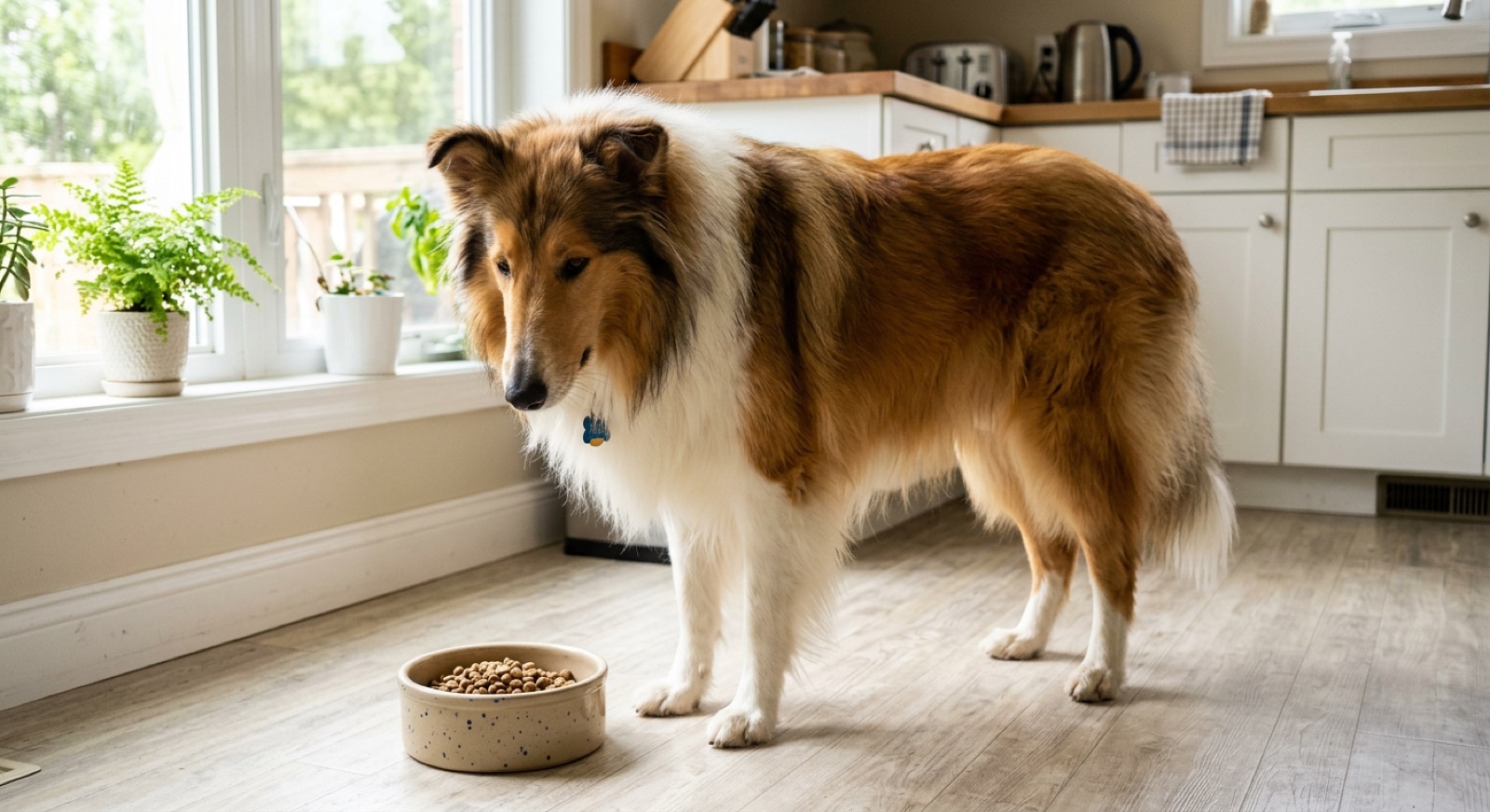
Why Collies end up needing a new home
The Canadian Kennel Club describes the Collie as "kindly, loyal and trainable," a devoted family dog that still "needs regular outdoor exercise." Dogs like that rarely get surrendered for behaviour. The recurring reasons:
- Owner illness and life changes. The classic Collie trigger. The breed is a favourite of long-time owners and quieter households, and when health fails, a move into care happens, or a family loses its dog person, the Collie is the dog left needing a home. Our owner-illness guide covers exactly that path.
- The coat catching up with the household. A Rough Collie's full coat needs real, regular brushing right down to the skin, and a household running out of time or mobility falls behind until mats make the decision for them.
- Sensitivity to chaos. This is a soft, responsive breed that does poorly with harsh handling or a loud, unpredictable household, and a big life change can tip a settled dog into stress.
- Mild herding habits read as problems. Some Collies circle and chase-manage running children or bark to supervise the yard. It is gentle by herding-breed standards, but it surprises households expecting a furry ornament.
- Vocal supervision. Many Collies announce and comment, and in a townhouse the commentary can become a complaint.
None of this means your dog is a problem. A rehomed Collie is usually exactly the gentle, devoted companion the next family is hoping for.
The screening priorities unique to Collies
Collie screening is about gentleness and coat commitment more than strength or experience.
1. A gentle, steady household. Collies attach deeply and read the emotional weather of a home. The right adopter describes a calm routine, soft handling, and a dog that will live in the middle of family life rather than in the yard. A chaotic or heavy-handed household is the wrong match, however well-meaning.
2. A real plan for the coat. Ask directly how the applicant will keep up a Rough Collie coat: regular brushing down to the skin, seasonal shedding, and either the time to do it themselves or a groomer relationship. If your dog is a Smooth Collie, say so; the workload drops considerably and it widens the pool. An applicant who assumes the coat looks after itself is the household your dog would mat up in.
3. Moderate daily exercise, honestly matched. Collies need regular outdoor exercise but nothing like a Border Collie's workload. Describe your dog's actual routine so an ordinary active family recognizes itself, and so the rare high-drive individual gets matched to a busier home.
What you must disclose
Collie disclosure is practical, and one item on this list is medical enough that skipping it is not an option.
- MDR1 drug sensitivity. Collies commonly carry the MDR1 gene variant, which can make affected dogs dangerously sensitive to certain common veterinary medications. If your dog has been tested, pass the result on in writing. If not, tell the new home plainly that Collies are an MDR1 breed and that their vet should know it and can arrange testing before prescribing. Do not attempt to list safe or unsafe drugs yourself; that conversation belongs with a veterinarian.
- The coat routine, honestly. The brushing schedule, any matting or shave-down history, and the groomer if you use one.
- Herding habits. Any circling, chase-managing, or heel-nudging around running children, described plainly so a family with young kids knows what supervision looks like.
- The barking pattern. When and how much, so housing gets matched honestly.
- Sensitivity notes. How your dog responds to raised voices, storms, and chaos, so a soft dog lands in a soft home.
- Vet records, complete. Anything the vet has flagged, with the vet's name attached.
Collie rescues and where to ask
Collie-specific rescue in Canada is organized through the breed community and volunteer-run, so intake depends on foster space. Contact them early, be honest about the coat condition and anything medical, and list on LocalPetFinder in parallel. One verified option:
Should you charge a rehoming fee?
Charge a rehoming fee. A few hundred dollars for a healthy adult Collie is normal in Canada (this is a directional range, not a fixed rule), paired with a vet reference and a meeting at your home or theirs. A recognizable, family-friendly breed attracts impulse applicants, and a real fee plus screening filters them out. Donate it to Collie rescue afterward if you would rather not keep it.
How LocalPetFinder rehoming works
- Submit a free listing at /rehome/submit. Photos, age, breed, spay or neuter status, compatibility, an honest behavioural profile, your reason for rehoming, and a fee. The form takes about 5 minutes and your dog never leaves your home.
- We review it for completeness and basic safety, usually within 24 to 48 hours, then it goes live.
- Your Collie appears alongside rescue dogs on the Collie listings and the main adoption pages, marked “Owner Rehoming.” Your email stays private.
- You screen and choose. Vetted adopters reach you through a verified contact form. You decide who to respond to, who to meet, and who gets the dog.
Ready to rehome your Collie responsibly?
List your Collie on LocalPetFinder for free. Your listing appears next to rescue dogs, you control the screening, and we never share your email publicly.
Start Your Free Listing →Anti-scam rules (read every line)
- Never list as “free to good home.” A fair fee is the single best filter against flippers and bad-faith adopters.
- Insist on a meet-and-greet, ideally at the adopter's home. Anyone who refuses a home check is hiding their living situation.
- Be suspicious of anyone offering more than your fee, or pushing for a fast, no-questions handover.
- Get a written agreement and a vet reference, transfer the microchip registration, and prefer e-transfer over cash for a paper trail.