The short answer
Rehome your dog on LocalPetFinder, free
List your dog at no cost. They stay home until the right family is found, you screen adopters through a verified contact form, and you choose who adopts. Reviewed within 24 to 48 hours.
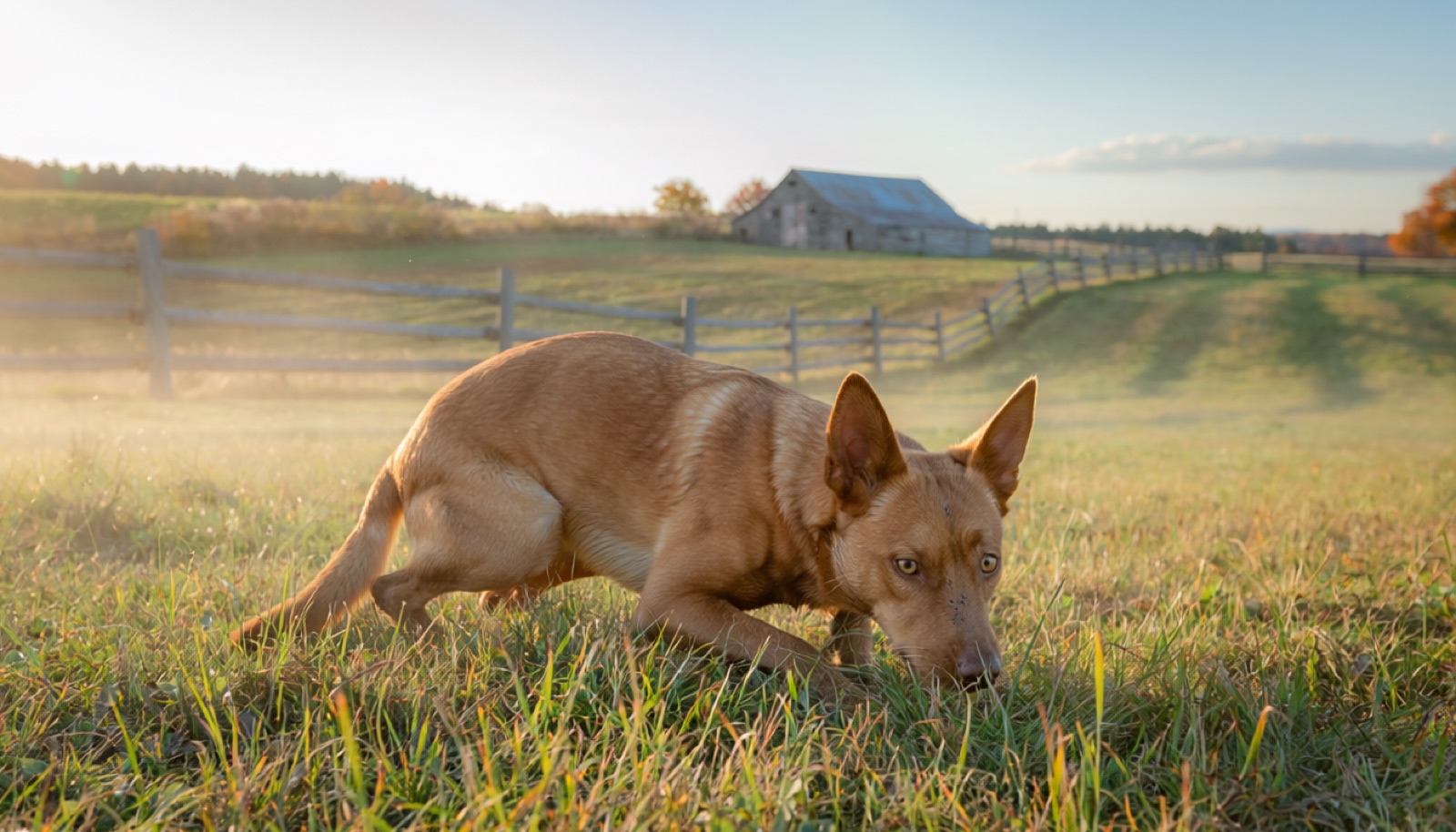
Why Australian Kelpies end up needing a new home
The Kelpie is not a Canadian Kennel Club recognized breed, and that gap is informative: this is a working station dog first, maintained by working registries like the Working Kelpie Council of Australia rather than the show ring. The American Kennel Club describes a dog that is "extremely intelligent, alert, and eager with unlimited energy" and "capable of untiring work." The recurring surrender reasons:
- A working dog with no work. The overwhelming driver. A dog bred to cover a sheep station does not have an off switch a suburb can reach. Under-worked Kelpies pace, dig, chew, herd whatever moves, and escape, and the household concludes the dog is broken when the dog is just unemployed. The full unmet-needs reasoning is in our Border Collie guide, and it applies here without discount.
- Adolescence arriving with interest. A biddable Kelpie puppy becomes a fast, self-directed adolescent that tests everything, and handlers without working-breed experience feel out-run by it.
- Herding pointed at the household. Heel-nipping at children, chasing bikes and joggers, circling other pets. Bred instinct, not malice, and it needs an informed home.
- Athleticism meeting ordinary fencing. Kelpies are famous climbers and jumpers, and a bored one treats the yard as a puzzle.
- Acquired on looks or novelty. A share of Canadian Kelpies arrive through farm litters and imports, taken on by households that had never met the breed working.
None of this means your dog is broken. It means a serious working breed landed in the wrong setting, and a careful rehoming into the right one is not a downgrade for the dog; it is the point.
The screening priorities unique to Australian Kelpies
Kelpie screening is about work first, and everything else follows from it.
1. A home with a real outlet for the drive. Ask what the dog's ordinary Tuesday looks like, concretely. Acreage with stock, a farm or rural working home, or a serious dog-sport household running agility, herding, flyball, or scent work several days a week: those are the answers that fit. A big yard is not a job, and "we hike on weekends" is the answer that created your listing. Our Border Collie guide explains why exercise alone builds a fitter dog with the same unmet needs; hold Kelpie applicants to that standard.
2. Experienced, structured handling. The right adopter has owned high-drive herding or working dogs before, talks about structure and daily training rather than dominance, and is not rattled by a fast dog with opinions. This is not a first-time-owner breed, and saying so in the listing is kinder than bouncing the dog through a soft placement.
3. Containment and honest household matching. A climbing, jumping, driven athlete needs fencing checked against its actual escape methods, and a household composition matched to its real history with children, other dogs, and cats. Answer from what your dog has done, not what you hope.
What you must disclose
Kelpie disclosure is behavioural, and completeness is what keeps the placement safe.
- The drive, and what happens when it is under-fed. The pacing, digging, chewing, herding, and escaping your dog does with too little work. The right home reads that list and nods.
- Herding behaviour toward people and pets. Heel-nipping, chasing, circling, and who it has been aimed at. This decides household composition more than any other line.
- Escape methods. Exactly how your dog gets out (climbing, jumping, digging, gate-work) so the new home secures against it before the first afternoon alone.
- Prey and stock behaviour, from history. Cats, poultry, livestock, wildlife. For a station breed, "untested" is a legitimate answer; "fine, probably" is not.
- Any bite or snap history, in writing. Talk to your vet or a credentialled behaviour professional first, disclose everything, and place only into a proven, fully informed home.
- Vet records, complete. Anything the vet has flagged, with the vet's name attached.
Australian Kelpie rescues and where to ask
There is no verified Kelpie-specific rescue based in Canada with steady intake; the breed is uncommon here and Kelpies needing homes usually move through working-breed-savvy all-breed rescues, farm networks, and stock-dog communities. Contact rescues in your region that know high-drive herding dogs, be upfront about the drive and any nipping history so they can match correctly, and list on LocalPetFinder in parallel rather than waiting on a single door.
Should you charge a rehoming fee?
Charge a rehoming fee. A few hundred dollars for a healthy adult Kelpie is normal in Canada (this is a directional range, not a fixed rule), paired with a vet reference and a meeting at your home or theirs. A lean, striking, athletic dog draws looks-first applicants, which is often the acquisition pattern that created the listing in the first place, and a real fee plus a blunt working-dog paragraph filters it out. Donate it to a working-breed rescue afterward if you would rather not keep it.
How LocalPetFinder rehoming works
- Submit a free listing at /rehome/submit. Photos, age, breed, spay or neuter status, compatibility, an honest behavioural profile, your reason for rehoming, and a fee. The form takes about 5 minutes and your dog never leaves your home.
- We review it for completeness and basic safety, usually within 24 to 48 hours, then it goes live.
- Your Australian Kelpie appears alongside rescue dogs on the Australian Kelpie listings and the main adoption pages, marked “Owner Rehoming.” Your email stays private.
- You screen and choose. Vetted adopters reach you through a verified contact form. You decide who to respond to, who to meet, and who gets the dog.
Ready to rehome your Australian Kelpie responsibly?
List your Australian Kelpie on LocalPetFinder for free. Your listing appears next to rescue dogs, you control the screening, and we never share your email publicly.
Start Your Free Listing →Anti-scam rules (read every line)
- Never list as “free to good home.” A fair fee is the single best filter against flippers and bad-faith adopters.
- Insist on a meet-and-greet, ideally at the adopter's home. Anyone who refuses a home check is hiding their living situation.
- Be suspicious of anyone offering more than your fee, or pushing for a fast, no-questions handover.
- Get a written agreement and a vet reference, transfer the microchip registration, and prefer e-transfer over cash for a paper trail.