The short answer
Rehome your dog on LocalPetFinder, free
List your dog at no cost. They stay home until the right family is found, you screen adopters through a verified contact form, and you choose who adopts. Reviewed within 24 to 48 hours.
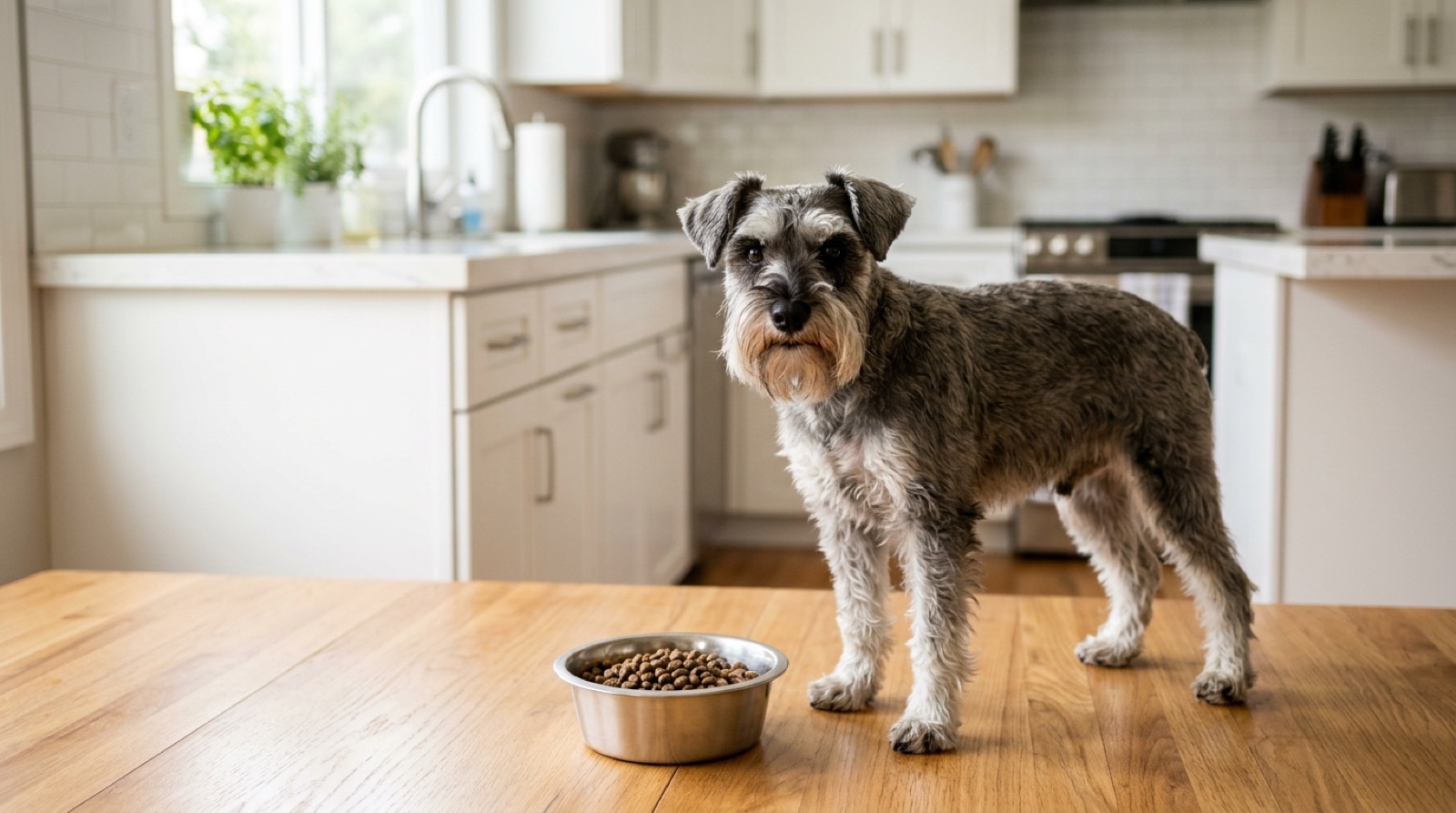
Why Miniature Schnauzers end up needing a new home
The Canadian Kennel Club describes the Miniature Schnauzer as "friendly, intelligent and willing to please" and "alert and active." Both halves are true, and the alert half does a lot of the surrendering. The recurring reasons owners reach the rehoming decision:
- An older owner's circumstances. The Schnauzer is one of the classic companion breeds for older adults, so illness, a move into care, or a death in the family is the single most common backstory. Adult children often handle the rehoming, and our owner-illness guide walks through doing it respectfully.
- Alert barking. A Schnauzer announces everything. In a detached house it is a quirk; in a condo or rental it becomes a complaint file, and a move into dense housing is a common trigger.
- The grooming bill. The wiry coat needs regular professional clipping or hand-stripping, forever, and the cost surprises owners who chose the breed on looks.
- Diet-related vet costs. The breed carries a well-documented predisposition to high blood fats and pancreatitis, and an emergency pancreatitis bill, or the prospect of a repeat, strains a budget.
- Terrier opinions. Under the beard is a confident, vocal, occasionally stubborn little dog. Households expecting a placid lapdog sometimes tap out.
None of this means your dog is a problem. Most Schnauzer rehomings are circumstances, not behaviour, and adopters read them exactly that way. The same applies if yours is a Standard Schnauzer; the larger cousin follows the same patterns with more leg.
The screening priorities unique to Schnauzers
Schnauzer screening is about noise tolerance and kitchen discipline, in that order.
1. A household that can live with an alert barker. Tell applicants the truth about the barking: triggers, frequency, and what management helps. The right home finds the watchdog instinct endearing or lives somewhere it does not matter. The wrong home is a thin-walled condo with a noise-sensitive neighbour, which is often the exact situation that created your listing. Quiet adult households and retirees are the breed's natural fit, and they are plentiful in the adopter pool.
2. A diet-disciplined home. Miniature Schnauzers are famously prone to pancreatitis, and a single well-meaning habit of table scraps or fatty treats can put one in emergency care. Ask the applicant how they feel about a strict feeding routine, hand over your vet's diet notes in writing, and let their vet take it from there. An applicant who shrugs at "no table food, ever" is not the home for this breed.
How long it realistically takes
A few weeks, typically. Small, sturdy, low-shedding dogs are the most requested profile in Canadian adoption, and an owner-illness backstory reads as circumstances, not a problem dog; adopters respond warmly to it. Get the dog groomed before you photograph it. A tidy Schnauzer silhouette, beard and all, moves a listing more than anything else you can do. Seniors take somewhat longer but match retired-adopter demand well. Whatever the pace, do not hand the dog to a same-day applicant, and never meet in a parking lot.
What you must disclose
Schnauzer disclosure is health-forward, and the diet part matters more for this breed than almost any other.
- The feeding routine and any pancreatitis history, specifically. The breed's documented predisposition to high blood fats and pancreatitis means the new home must know exactly what your dog eats, what it must never eat, and about any past episodes, with the vet's name attached. You are not prescribing a diet; you are handing over the vet's instructions so their vet can continue them.
- Barking. Triggers, frequency, and what has helped. Breed-typical, but the condo applicant needs the truth.
- The coat routine. Groomer, schedule, cost, and how the dog tolerates it.
- Vet records, complete. Bloodwork flags, dental history (small-breed teeth need real upkeep), and anything the vet is monitoring.
- The backstory. If you are rehoming on behalf of an ill or deceased owner, say so plainly. It explains any settling-in behaviour and reads as the honesty it is.
Miniature Schnauzer rescues and where to ask
There is no standalone Miniature Schnauzer rescue based in Canada; Minis are served by all-breed and small-dog rescues, while the national breed club for the larger Standard Schnauzer runs its own re-housing program. Contact the relevant one early and list on LocalPetFinder in parallel. One verified option:
Should you charge a rehoming fee?
Charge a real rehoming fee. A fee of a few hundred dollars for a healthy adult is normal in Canada (this is a directional range, not a fixed rule), paired with a vet reference and a meeting at your home or theirs. Schnauzers are a distinctive, purchased breed and the fee filters out impulse applicants drawn to the beard rather than the dog. For a senior rehomed from an ill owner's household, weighting the screening toward the right quiet home rather than the fee amount is a reasonable trade. You can donate the fee to a rescue afterward if you would rather not keep it.
How LocalPetFinder rehoming works
- Submit a free listing at /rehome/submit. Photos, age, breed, spay or neuter status, compatibility, an honest behavioural profile, your reason for rehoming, and a fee. The form takes about 5 minutes and your dog never leaves your home.
- We review it for completeness and basic safety, usually within 24 to 48 hours, then it goes live.
- Your Miniature Schnauzer appears alongside rescue dogs on the Miniature Schnauzer listings and the main adoption pages, marked “Owner Rehoming.” Your email stays private.
- You screen and choose. Vetted adopters reach you through a verified contact form. You decide who to respond to, who to meet, and who gets the dog.
Ready to rehome your Miniature Schnauzer responsibly?
List your Miniature Schnauzer on LocalPetFinder for free. Your listing appears next to rescue dogs, you control the screening, and we never share your email publicly.
Start Your Free Listing →Anti-scam rules (read every line)
- Never list as “free to good home.” A fair fee is the single best filter against flippers and bad-faith adopters.
- Insist on a meet-and-greet, ideally at the adopter's home. Anyone who refuses a home check is hiding their living situation.
- Be suspicious of anyone offering more than your fee, or pushing for a fast, no-questions handover.
- Get a written agreement and a vet reference, transfer the microchip registration, and prefer e-transfer over cash for a paper trail.