The short answer
Rehome your dog on LocalPetFinder, free
List your dog at no cost. They stay home until the right family is found, you screen adopters through a verified contact form, and you choose who adopts. Reviewed within 24 to 48 hours.
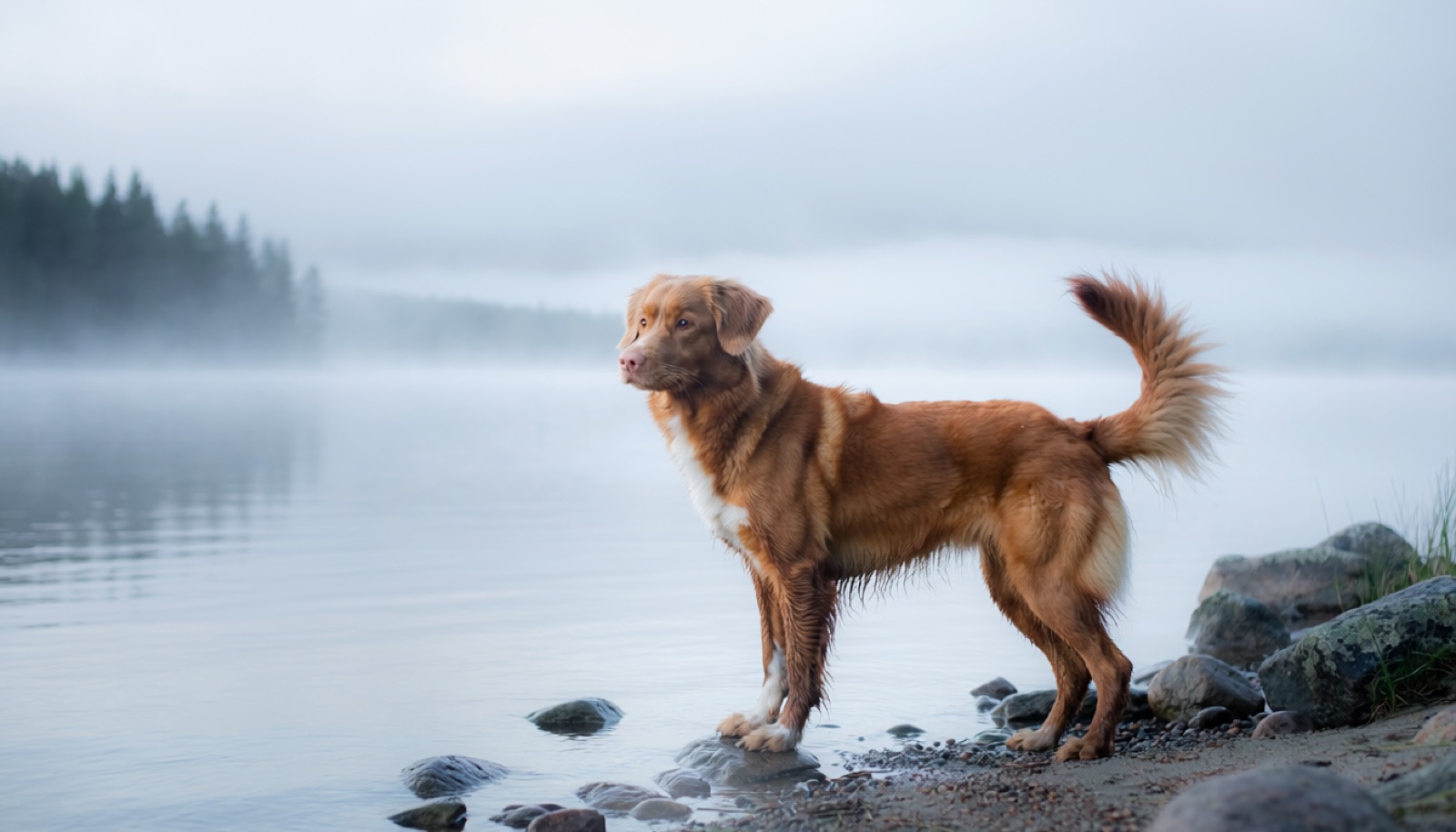
Why Tollers end up needing a new home
The Canadian Kennel Club recognizes the Toller as a Canadian breed, developed in Nova Scotia to toll (lure) ducks within gunshot and retrieve them from cold water. It is the smallest of the retrievers, and that is exactly the trap. The recurring surrender reasons:
- Mistaken for a small Golden. The defining Toller pattern. The size and the coat read as a compact family retriever, and households plan Golden-level ease for a dog with working-line intensity: sharper, busier, more sensitive, and more demanding of a job.
- A clever dog under-employed. Tollers are smart, quick, and easily bored. Without daily exercise and real mental work, they invent projects: digging, chewing, barking at motion, and orchestrating the household.
- The toller scream. The breed's famous high-pitched excitement vocal, produced when a Toller is wound up about anything good. It is normal for the breed and startling for neighbours, and in condos and dense neighbourhoods it drives real complaints.
- Reserve read as a problem. Tollers are typically devoted to their people and standoffish with strangers, and households expecting Golden-style universal friendliness misread the breed standard as a temperament flaw.
- Adolescence with interest. A biddable red puppy becomes a fast, opinionated teenager, and first-time sporting-breed owners feel out-run by it.
None of this means your dog is broken. A Toller that lands with an active home that likes training is exactly the dog the breed's small, devoted following is queuing for.
The screening priorities unique to Tollers
Toller screening is drive, noise, and experience, and the small applicant pool is a feature rather than a bug.
1. A home with real work for the drive. Ask what the dog's ordinary week looks like in hours: hunting, hiking, running, swimming, and dog sport are the natural answers, and Tollers excel in agility, obedience, and field work. A big yard is not a job. The right applicant lights up at the word training.
2. The scream, disclosed and accepted out loud. Describe your dog's vocal habits honestly, including what triggers the excitement scream and how loud it really is, and ask directly whether the applicant's housing can absorb it. A detached house with understanding neighbours is a different placement than a thin-walled condo, and this single disclosure prevents the most common Toller bounce.
3. Sporting-breed experience and patience with reserve. The right home has owned a working or sporting breed, expects a one-family dog rather than a greeter, and is comfortable with positive, structured training for a clever, sensitive dog that notices everything.
What you must disclose
Toller disclosure is drive, noise, and sensitivity, told completely.
- The vocal habits, in full. The excitement scream, barking at motion or play, and what sets each off. This is the disclosure Toller-experienced homes respect most, and the one that fails placements when hidden.
- The drive, and what happens when it is under-fed. The digging, chewing, and self-employment your dog does with too little work.
- Stranger behaviour. Typical Toller reserve, or anything beyond it, described from actual incidents rather than labels.
- Prey and chase behaviour, from history. Cats, small pets, birds, bikes, and joggers, for a breed built to chase and retrieve.
- Water and escape notes. Pool and pond behaviour, fence-testing, and door-bolting, so the new home is set up on day one.
- Vet records and breeder paperwork, complete. In a rare Canadian breed, health clearances and pedigree travel with the dog, and having them ready marks the listing as serious.
Nova Scotia Duck Tolling Retriever rescues and where to ask
Toller rescue in Canada runs through the national breed club's volunteer network rather than a standalone organization, and because the breed is uncommon, dogs needing homes are rare enough that the community usually mobilizes quickly. Contact them early, call your breeder in parallel (reputable Toller breeders want their dogs back), and list on LocalPetFinder at the same time. One verified option:
Should you charge a rehoming fee?
Charge a rehoming fee. A few hundred dollars for a healthy adult Toller is normal in Canada (this is a directional range, not a fixed rule), paired with a vet reference and a meeting at your home or theirs. A rare, striking Canadian breed attracts looks-first applicants who have never heard the scream, and a real fee plus a blunt listing filters for the sporting home that read all of it. Donate it to the breed club's rescue fund afterward if you would rather not keep it.
How LocalPetFinder rehoming works
- Submit a free listing at /rehome/submit. Photos, age, breed, spay or neuter status, compatibility, an honest behavioural profile, your reason for rehoming, and a fee. The form takes about 5 minutes and your dog never leaves your home.
- We review it for completeness and basic safety, usually within 24 to 48 hours, then it goes live.
- Your Nova Scotia Duck Tolling Retriever appears alongside rescue dogs on the Nova Scotia Duck Tolling Retriever listings and the main adoption pages, marked “Owner Rehoming.” Your email stays private.
- You screen and choose. Vetted adopters reach you through a verified contact form. You decide who to respond to, who to meet, and who gets the dog.
Ready to rehome your Nova Scotia Duck Tolling Retriever responsibly?
List your Nova Scotia Duck Tolling Retriever on LocalPetFinder for free. Your listing appears next to rescue dogs, you control the screening, and we never share your email publicly.
Start Your Free Listing →Anti-scam rules (read every line)
- Never list as “free to good home.” A fair fee is the single best filter against flippers and bad-faith adopters.
- Insist on a meet-and-greet, ideally at the adopter's home. Anyone who refuses a home check is hiding their living situation.
- Be suspicious of anyone offering more than your fee, or pushing for a fast, no-questions handover.
- Get a written agreement and a vet reference, transfer the microchip registration, and prefer e-transfer over cash for a paper trail.