The short answer
Rehome your dog on LocalPetFinder, free
List your dog at no cost. They stay home until the right family is found, you screen adopters through a verified contact form, and you choose who adopts. Reviewed within 24 to 48 hours.
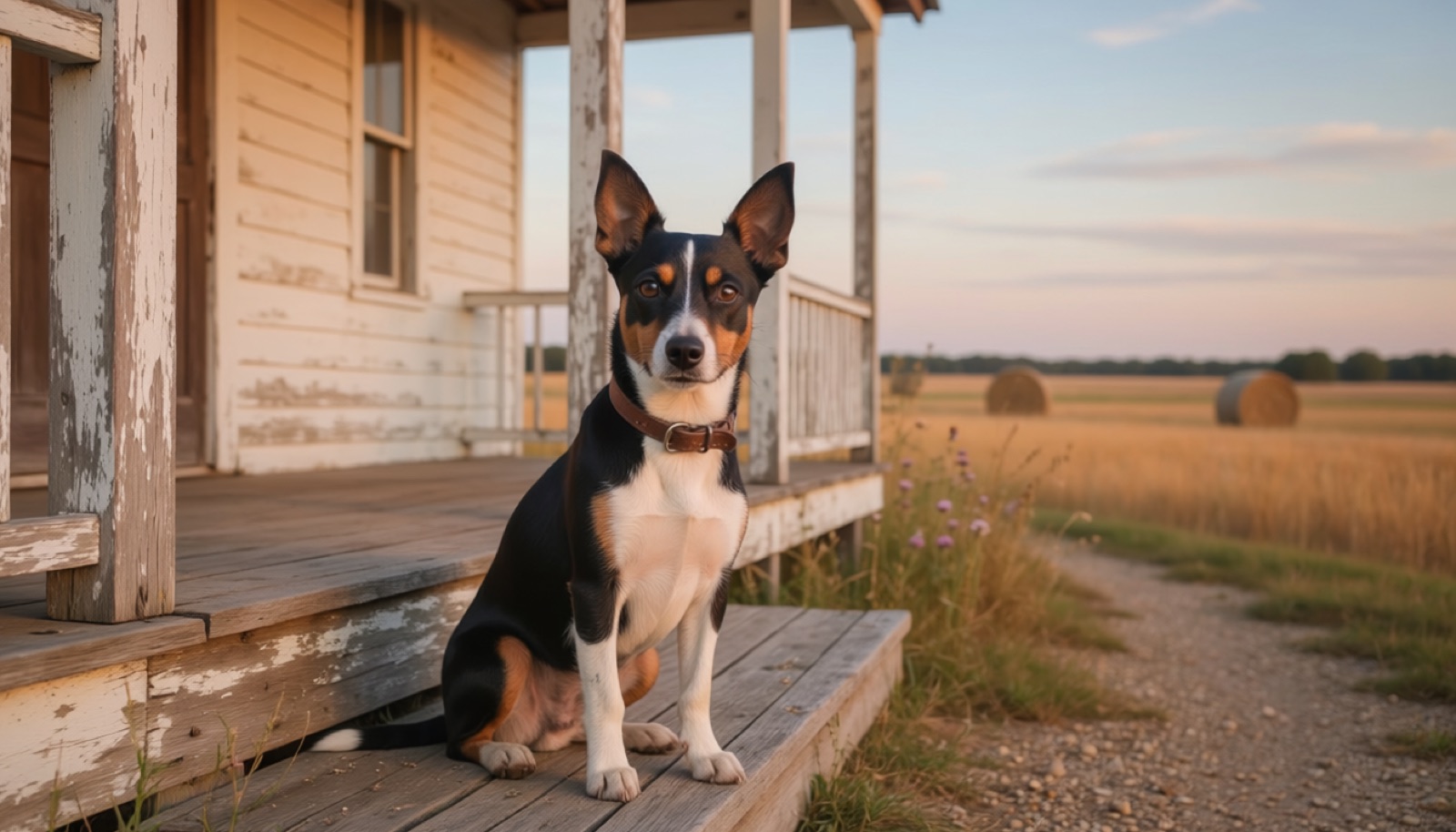
Why Rat Terriers end up needing a new home
The American Kennel Club calls Rat Terriers "happy-go-lucky, playful, and portable companions," and all of that is true right up until the working heritage is ignored. This is a dog bred to clear farms of vermin all day. The recurring reasons owners reach the rehoming decision:
- The apartment mismatch. The size says condo dog; the breeding says farmhand. In a small space with short walks, the unspent energy turns into pacing, barking at every hallway sound, and shredded belongings, and a move into denser housing is a common trigger for the final decision. Our moving guide covers that situation without judgement.
- Prey drive. The breed's name is its job description. Squirrels, rabbits, rodents, and sometimes cats get hunted, not chased for fun, and an off-leash Rat Terrier that catches a scent stops hearing you.
- Alert barking. A vigilant farm dog announces everything. Detached-house owners shrug; shared-wall neighbours file complaints.
- Digging and escaping. Bred to dig vermin out of the ground, and a low fence over soft dirt is an invitation rather than a barrier.
- Life changes on a long-lived dog. Rat Terriers commonly live well into their teens, so divorces, new babies, and moves catch a share of them mid-life.
None of this means your dog is a problem. It means a working farm breed landed in housing built for a lapdog, which is exactly the kind of thing a thoughtful rehoming fixes.
The screening priorities unique to Rat Terriers
Rat Terrier screening is about outlets and small animals, in that order.
1. A home with somewhere for the drive to go. The ideal is space: a securely fenced yard, acreage, or a genuinely active household that hikes, runs, or trains. An apartment applicant is not automatically wrong, but they need a concrete plan (long daily walks, a nearby fenced run, real training work) and they need to hear the honest version of what your dog is like when under-exercised. Ask what a normal Tuesday looks like and listen for specifics rather than enthusiasm.
2. The small-animal conversation. Ask about cats, rabbits, rodents, and backyard chickens, and answer the mirror question about your dog plainly: what it has chased, what it has caught, and whether it has ever lived with a cat. Many Rat Terriers cannot safely share a home with small pets, and the ones that can usually grew up doing it. A placement that gambles on prey drive is the placement that fails, and the small animal pays for the gamble.
How long it realistically takes
A few weeks to a month or two. Rat Terriers are less famous in Canada than Jack Russells or Westies, so the applicant pool starts smaller, but the people in it tend to know the breed, and compact, healthy, low-grooming dogs convert interest well. Name the breed prominently in the listing so searchers find it. If a move is forcing a deadline, start the listing the moment the move becomes likely rather than the week the truck arrives, and tell applicants the timeline honestly. A quiet first week is normal; the fast wrong applicant is the thing to resist.
What you must disclose
Rat Terrier disclosure is behavioural, and the new home can only manage what it knows about.
- Prey drive, specifically. What your dog chases, anything it has caught, and the truth about cats. This is the item most tempting to soften and the one that decides where the dog can safely live.
- Escape and digging history. How your dog tests fences and what has worked to contain it.
- Barking. Triggers, frequency, and what management has helped, so the shared-wall applicant can self-select honestly.
- Exercise reality. What your dog is like on days it does not get enough, because that is the dog the new home meets in week one.
- Vet records, complete. Anything the vet has flagged (knees and teeth are the usual small-dog watch items), plus the last dental.
Rat Terrier rescues and where to ask
Canada has a verified Rat Terrier-specific rescue, which is rare luck for a less-common breed. Contact them early, and list on LocalPetFinder in parallel rather than waiting on a single door:
Should you charge a rehoming fee?
Charge a real rehoming fee. A fee of a few hundred dollars for a healthy adult is normal in Canada (this is a directional range, not a fixed rule), paired with a vet reference and a meeting at your home or theirs. Rat Terriers are not the reseller bait a Frenchie is, but the fee still filters impulse applicants, and for a drive-heavy breed the impulse applicant is the failure mode: the adopter who read the prey-drive paragraph and applied anyway is the one who keeps the dog. You can donate the fee to a terrier rescue afterward if you would rather not keep it.
How LocalPetFinder rehoming works
- Submit a free listing at /rehome/submit. Photos, age, breed, spay or neuter status, compatibility, an honest behavioural profile, your reason for rehoming, and a fee. The form takes about 5 minutes and your dog never leaves your home.
- We review it for completeness and basic safety, usually within 24 to 48 hours, then it goes live.
- Your Rat Terrier appears alongside rescue dogs on the Rat Terrier listings and the main adoption pages, marked “Owner Rehoming.” Your email stays private.
- You screen and choose. Vetted adopters reach you through a verified contact form. You decide who to respond to, who to meet, and who gets the dog.
Ready to rehome your Rat Terrier responsibly?
List your Rat Terrier on LocalPetFinder for free. Your listing appears next to rescue dogs, you control the screening, and we never share your email publicly.
Start Your Free Listing →Anti-scam rules (read every line)
- Never list as “free to good home.” A fair fee is the single best filter against flippers and bad-faith adopters.
- Insist on a meet-and-greet, ideally at the adopter's home. Anyone who refuses a home check is hiding their living situation.
- Be suspicious of anyone offering more than your fee, or pushing for a fast, no-questions handover.
- Get a written agreement and a vet reference, transfer the microchip registration, and prefer e-transfer over cash for a paper trail.