The short answer
Rehome your dog on LocalPetFinder, free
List your dog at no cost. They stay home until the right family is found, you screen adopters through a verified contact form, and you choose who adopts. Reviewed within 24 to 48 hours.
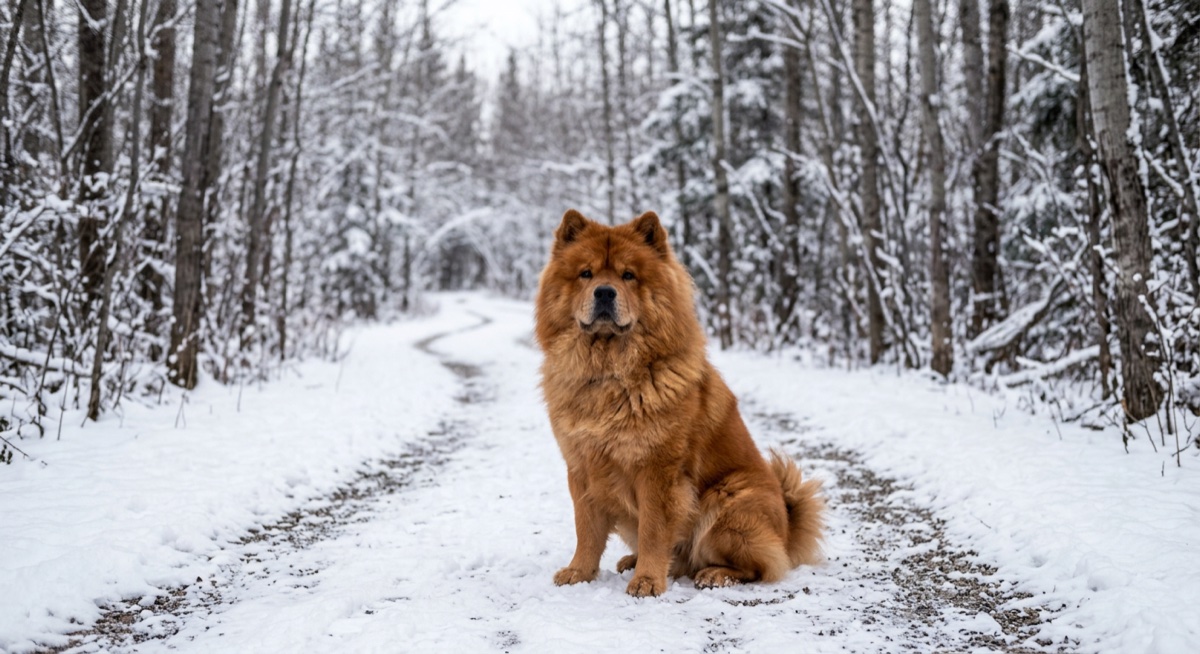
Why Chow Chows end up needing a new home
The Canadian Kennel Club describes the Chow plainly: "Dignified, with keen intelligence, independent spirit, aloof and reserved with strangers." Every word of that is a surrender story waiting for the wrong household. The recurring reasons:
- The teddy-bear expectation. The biggest driver. The lion coat and the scowl-smile sell a cuddly dog; what arrives is a cat-like, self-possessed animal that chooses one or two people and is politely unmoved by everyone else. Families expecting a golden retriever in a fluffier suit read normal Chow reserve as coldness or a behaviour problem.
- Wariness of strangers meeting a busy household. A Chow that body-blocks the door or stiffens at visitors is doing what the breed has done for centuries. In a home with constant guests, kids' friends, and chaos, that guarding instinct becomes a management job the family never planned for.
- Insurance and housing lists. Chows appear on many landlord and insurer restricted lists in Canada. A lease change or a policy renewal can leave a responsible owner with no legal way to keep the dog through no fault of anyone.
- The coat and the heat. A dense double coat that needs real weekly work, mats badly when neglected, and makes summer heat a genuine welfare issue that shapes the whole routine.
- Dog-to-dog selectivity. Common in the breed, especially same-sex, and a multi-dog mismatch wears a household down.
None of this means your dog is broken. It means a dignified, particular breed landed with people who wanted a different dog, and a careful rehoming to a Chow-aware home fixes exactly that.
The screening priorities unique to Chow Chows
Chow screening is about finding the person who wants what the breed actually is.
1. A Chow-aware home that wants the reserve. The right adopter has owned a Chow or a similarly aloof breed before, talks about respect and quiet routine rather than affection on demand, and does not need the dog to love their friends. Ask what dogs they have owned and what they expect the first month to look like. The applicant who gushes about the fluff and plans to introduce the dog to everyone they know is the same mismatch that created your listing. Calmer households, fewer comings and goings, and patience win with this breed.
2. Housing that can legally keep the breed, verified in writing. Before handover, confirm the lease or condo rules permit the dog (see the clause, not a verbal yes) and that the household's insurance will not refuse or cancel over the breed. This is the same three-part framework in our pit bull rehoming guide, and Chows land on enough restricted lists that it applies here almost unchanged. A placement into housing that cannot keep the dog is just a slower surrender.
3. An honest household-composition match. Answer from your dog's history on children, other dogs, and cats. Many Chows do best as only dogs with adults or older kids, and saying so plainly in the listing filters the applicant pool down to the homes that fit.
What you must disclose
Chow disclosure is behavioural first, and the stranger line is the part that cannot be soft-pedalled.
- The dog's actual line between family and strangers. Door behaviour, how the dog handles visitors, how long warming up takes, and what pushing too fast looks like. An informed home manages this easily; a surprised one fails.
- Behaviour with children, dogs, and cats. From history, not hope, and with same-sex specifics for other dogs.
- Any guarding of food, toys, space, or people. Described plainly, with what management works.
- Any bite or snap history, in writing. Talk to your vet or a credentialled behaviour professional first, disclose everything, and place only into an experienced, fully informed home. Hiding history with a breed this scrutinized is indefensible.
- The coat's condition and routine. Current matting if any, the weekly brushing that keeps it healthy, and grooming costs from your experience.
- Heat management. Your summer routine, because a heavy-coated Chow in a Canadian heat wave is a welfare issue the new home must plan for.
Chow Chow rescues and where to ask
Chow-specific rescue in Canada is small and volunteer-run, which makes early contact and parallel listing the sensible play. One verified option:
Should you charge a rehoming fee?
Charge a rehoming fee. A few hundred dollars for a healthy adult Chow is normal in Canada (this is a directional range, not a fixed rule), paired with a vet reference and a meeting at your home or theirs. The fee filters out impulse applicants drawn to the lion coat who never read the temperament paragraph, and with a breed that lands on restricted lists, it also slows down the wrong-reasons buyer. Donate it to a Chow rescue afterward if you would rather not keep it.
How LocalPetFinder rehoming works
- Submit a free listing at /rehome/submit. Photos, age, breed, spay or neuter status, compatibility, an honest behavioural profile, your reason for rehoming, and a fee. The form takes about 5 minutes and your dog never leaves your home.
- We review it for completeness and basic safety, usually within 24 to 48 hours, then it goes live.
- Your Chow Chow appears alongside rescue dogs on the Chow Chow listings and the main adoption pages, marked “Owner Rehoming.” Your email stays private.
- You screen and choose. Vetted adopters reach you through a verified contact form. You decide who to respond to, who to meet, and who gets the dog.
Ready to rehome your Chow Chow responsibly?
List your Chow Chow on LocalPetFinder for free. Your listing appears next to rescue dogs, you control the screening, and we never share your email publicly.
Start Your Free Listing →Anti-scam rules (read every line)
- Never list as “free to good home.” A fair fee is the single best filter against flippers and bad-faith adopters.
- Insist on a meet-and-greet, ideally at the adopter's home. Anyone who refuses a home check is hiding their living situation.
- Be suspicious of anyone offering more than your fee, or pushing for a fast, no-questions handover.
- Get a written agreement and a vet reference, transfer the microchip registration, and prefer e-transfer over cash for a paper trail.