The short answer
Rehome your dog on LocalPetFinder, free
List your dog at no cost. They stay home until the right family is found, you screen adopters through a verified contact form, and you choose who adopts. Reviewed within 24 to 48 hours.
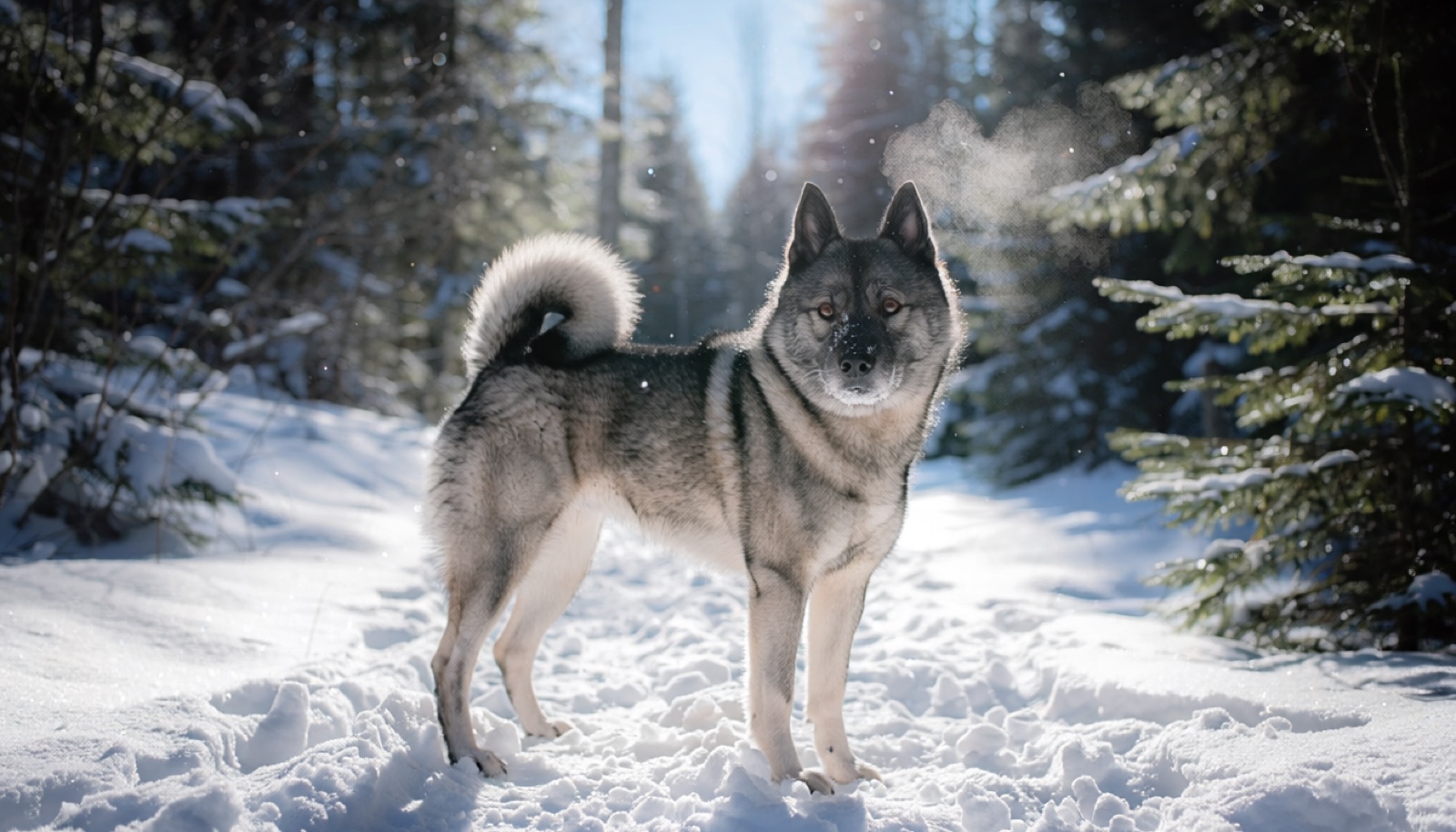
Why Norwegian Elkhounds end up needing a new home
The Canadian Kennel Club calls the Elkhound "bold and energetic," "an excellent family pet and guardian noted for being good with children," and "relatively tireless," a dog that "likes having a job to do." The surrenders live in the gap between that job and a modern household. The recurring reasons:
- The barking. The biggest driver by far. An Elkhound's historic job was to find a moose and hold it in place with its voice, and the modern version announces visitors, squirrels, weather, and opinion with the same commitment. Training softens it; nothing removes it. In dense housing it becomes a bylaw complaint, and the complaint becomes a listing.
- Independence read as disobedience. The breed hunted ahead of its human and made its own decisions doing it. Recall is negotiated, obedience is selective, and households expecting biddable eagerness read a normal Elkhound as stubborn or badly trained.
- The tirelessness. A hardy trotting breed built for all-day work in rough country does not tire out on a leash loop around the block, and an under-exercised Elkhound invents projects.
- The coat. A dense grey double coat that sheds year-round and blows out seasonally at serious volume.
- Life changes. Moves, landlords who hear the dog before they meet it, and household shifts. Our moving guide covers that path.
None of this means your dog is broken. It means a working hunting spitz landed in a setting that could not absorb the job, and a careful rehoming to the right setting fixes exactly that.
The screening priorities unique to Norwegian Elkhounds
Elkhound screening is about housing and lifestyle more than handling skill.
1. Bark-tolerant housing, stated plainly. Put the voice in the first paragraph of the listing: when the dog barks, how much, and what the neighbours have said. Detached homes, rural settings, and tolerant neighbours all work; a thin-walled condo does not, however much the applicant loves the silver coat. The adopter who reads the barking line and applies anyway is the placement that lasts, and the one who flinches has screened themselves out early, which is the point.
2. An active household that gives the dog work. Ask what the dog's week would look like. Hiking, snowshoeing, scent games, and long daily mileage are the natural fit for a tireless northern hound; a sedentary home produces the bored, loud, escapey version of the breed that created your listing. Elkhound-experienced and spitz-experienced applicants are the strongest signal.
3. Secure fencing and no faith in recall. An Elkhound is a nose-driven hunter that ranges, and once it is on a scent it stops consulting you. Ask about the fence, describe how your dog tests containment, and screen out applicants with off-leash trail plans unless your dog has genuinely proven otherwise.
What you must disclose
Elkhound disclosure is mostly practical, and the practical truths keep the placement stable.
- The barking pattern, honestly. When, how much, what triggers it, and anything the neighbours or the landlord have said. This is the disclosure that decides whether the placement lasts.
- Recall and roaming reality. Every escape with method, and what your dog does when it catches a scent. The new home secures against your dog's actual technique before arrival.
- Prey drive, from history. Cats, small dogs, and wildlife chasing, described as it actually happened, not as hoped.
- The coat workload. The weekly brushing, the seasonal blowouts, and a warning never to shave the double coat, which insulates against both cold and heat.
- Behaviour with children, dogs, and cats. The breed's family reputation is real, but describe your dog, not the breed.
- Vet records, complete. Anything the vet has flagged, with the vet's name attached.
Norwegian Elkhound rescues and where to ask
Elkhound-specific rescue in Canada runs through a small, devoted cross-border breed community rather than a large organization with steady intake. Contact them early and list on LocalPetFinder in parallel. One verified option:
Should you charge a rehoming fee?
Charge a rehoming fee. A few hundred dollars for a healthy adult Elkhound is normal in Canada (this is a directional range, not a fixed rule), paired with a vet reference and a meeting at your home or theirs. The fee filters out impulse applicants drawn to the silver coat and the wolf-adjacent look, and it selects for the active, bark-tolerant home the breed needs. Donate it to a spitz or all-breed rescue afterward if you would rather not keep it.
How LocalPetFinder rehoming works
- Submit a free listing at /rehome/submit. Photos, age, breed, spay or neuter status, compatibility, an honest behavioural profile, your reason for rehoming, and a fee. The form takes about 5 minutes and your dog never leaves your home.
- We review it for completeness and basic safety, usually within 24 to 48 hours, then it goes live.
- Your Norwegian Elkhound appears alongside rescue dogs on the Norwegian Elkhound listings and the main adoption pages, marked “Owner Rehoming.” Your email stays private.
- You screen and choose. Vetted adopters reach you through a verified contact form. You decide who to respond to, who to meet, and who gets the dog.
Ready to rehome your Norwegian Elkhound responsibly?
List your Norwegian Elkhound on LocalPetFinder for free. Your listing appears next to rescue dogs, you control the screening, and we never share your email publicly.
Start Your Free Listing →Anti-scam rules (read every line)
- Never list as “free to good home.” A fair fee is the single best filter against flippers and bad-faith adopters.
- Insist on a meet-and-greet, ideally at the adopter's home. Anyone who refuses a home check is hiding their living situation.
- Be suspicious of anyone offering more than your fee, or pushing for a fast, no-questions handover.
- Get a written agreement and a vet reference, transfer the microchip registration, and prefer e-transfer over cash for a paper trail.